Trump Iran strikes: what the White House could hit next
Trump Iran strikes are back at the centre of White House planning as officials weigh energy, missile and uranium-linked targets while Hormuz talks stall.
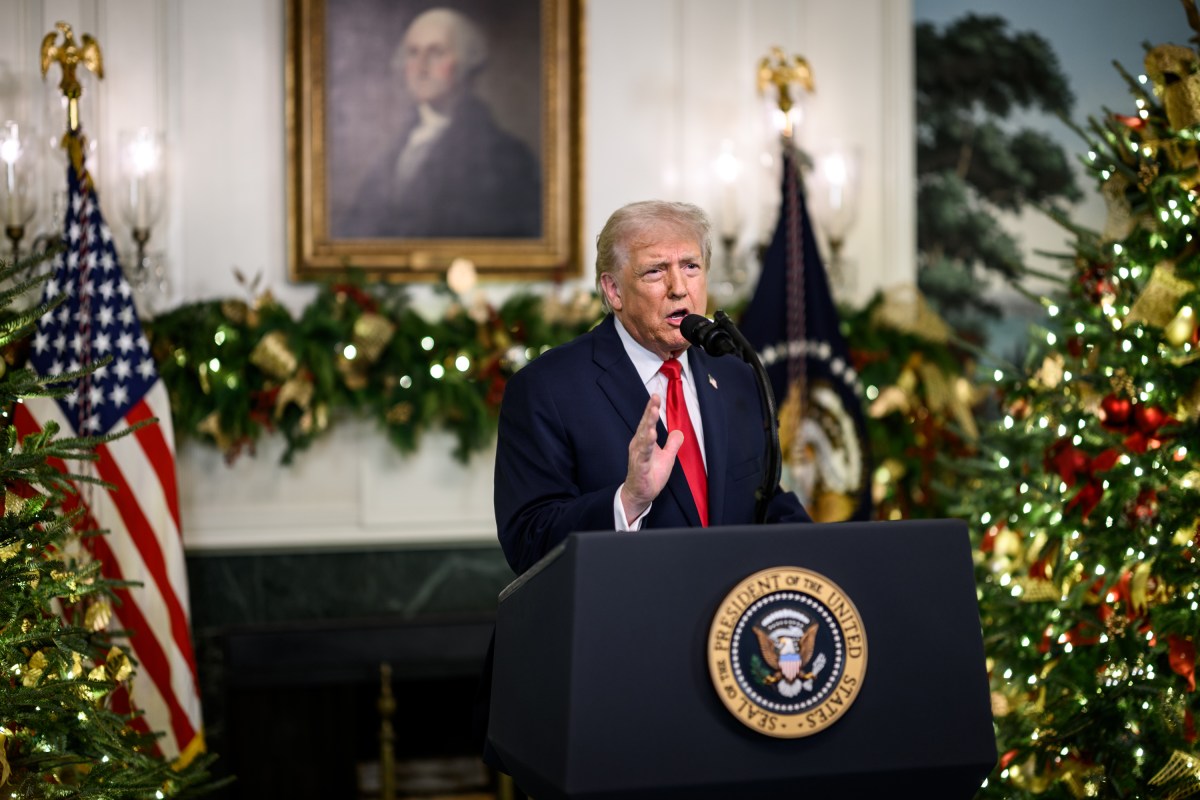
President Donald Trump met national-security advisers on Thursday as aides reviewed a shorter target list inside Iran, a sign of how quickly the latest talk of de-escalation has given way to fresh military planning. The New York Times and CNN reported that the White House was again weighing whether to hit energy infrastructure, missile facilities and storage sites tied to Iran’s nuclear programme.
In Washington, the live decision point is narrower than the rhetoric around “new strikes” suggests. Rather than reopen a broad war from scratch, aides are asking whether a limited set of attacks could force concessions on uranium and shipping without dragging the United States back into an open-ended campaign. Taken together, the target review and the diplomatic track now look like parts of the same pressure campaign.
For oil traders, shippers and regional diplomats, the same White House meeting is evidence that the bargaining window remains brittle. CNBC reported that the standoff still turns on two unresolved demands: Washington wants the Strait of Hormuz open without tolls and wants Iran’s highly enriched uranium moved out of the country, while Tehran is trying to preserve both bargaining chips.
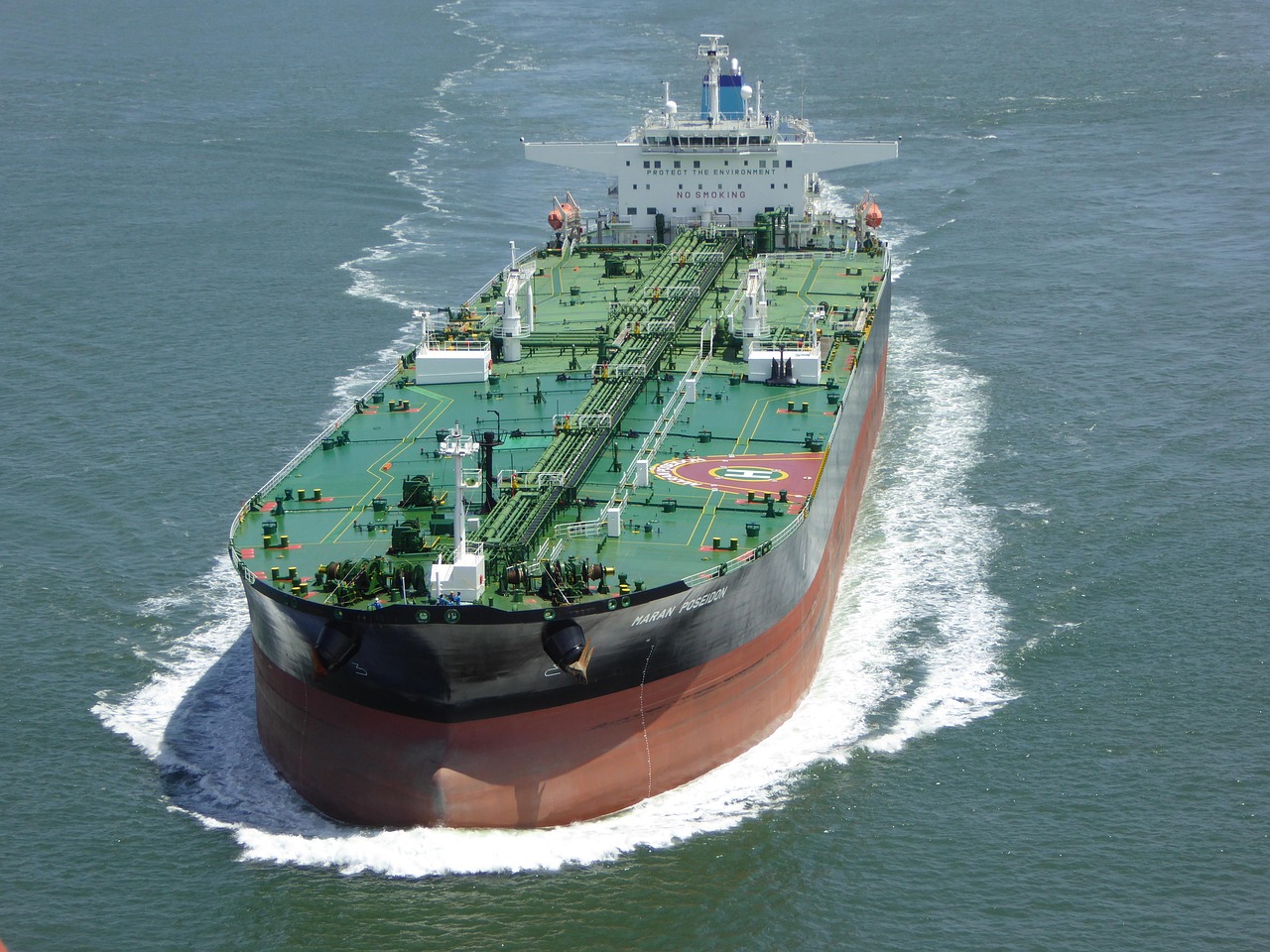
Even so, the military option does not erase the negotiating problem. It sharpens it. If the White House hits an oil export node or a missile site near the Gulf, it raises the cost for Tehran. In response, Iran could tighten pressure on the waterway through which roughly 20 per cent of global oil and liquefied natural gas passes.
So far, Trump has shown he is willing to stretch the clock rather than lock himself into one deadline. Axios reported earlier this week that he had paused an earlier attack plan, and Military Times reported that he later framed Iran’s response window as only “2 to 3 days”. That pause bought time. It did not settle the underlying dispute.
The targets still in play
In practice, the list now under review points to coercion, not closure. According to the Times account of the options before Trump, advisers have focused on energy facilities, missile sites and storage points around Isfahan that still matter to Iran’s ability to threaten shipping, preserve revenue or safeguard material linked to its nuclear programme. CNN’s reporting on the White House meeting suggested the same thing: after 38 days of war, the administration is looking at what can still be struck without pretending that one more round would end the crisis.
Inside the Pentagon, that problem is familiar. Planners can keep the strike option credible by holding at-risk targets that matter to Tehran, but every additional sortie has to clear a tougher test than the first wave did. Business Insider reported this week that the top US commander in the Middle East wants more bunker-buster bombs because “everybody is going underground”. In military terms, that is another way of saying the easy targets have already been hit.
On Capitol Hill, the domestic politics are tightening too. The New York Times reported on May 19 that the Senate voted to take up a measure that would force Trump to end the Iran war or win authorization from Congress. That measure has not stripped the president of room to act, but it has changed the cost of looking stuck. A narrowly tailored strike can be presented as pressure. A repetitive cycle of hits, pauses and new targets is harder to defend as strategy.
Trump’s travel change, including the Times-reported decision to skip his son’s wedding weekend because of “circumstances pertaining to the Government”, adds to the signal that the option is meant to shape Iranian calculations now, not after another round of mediation.
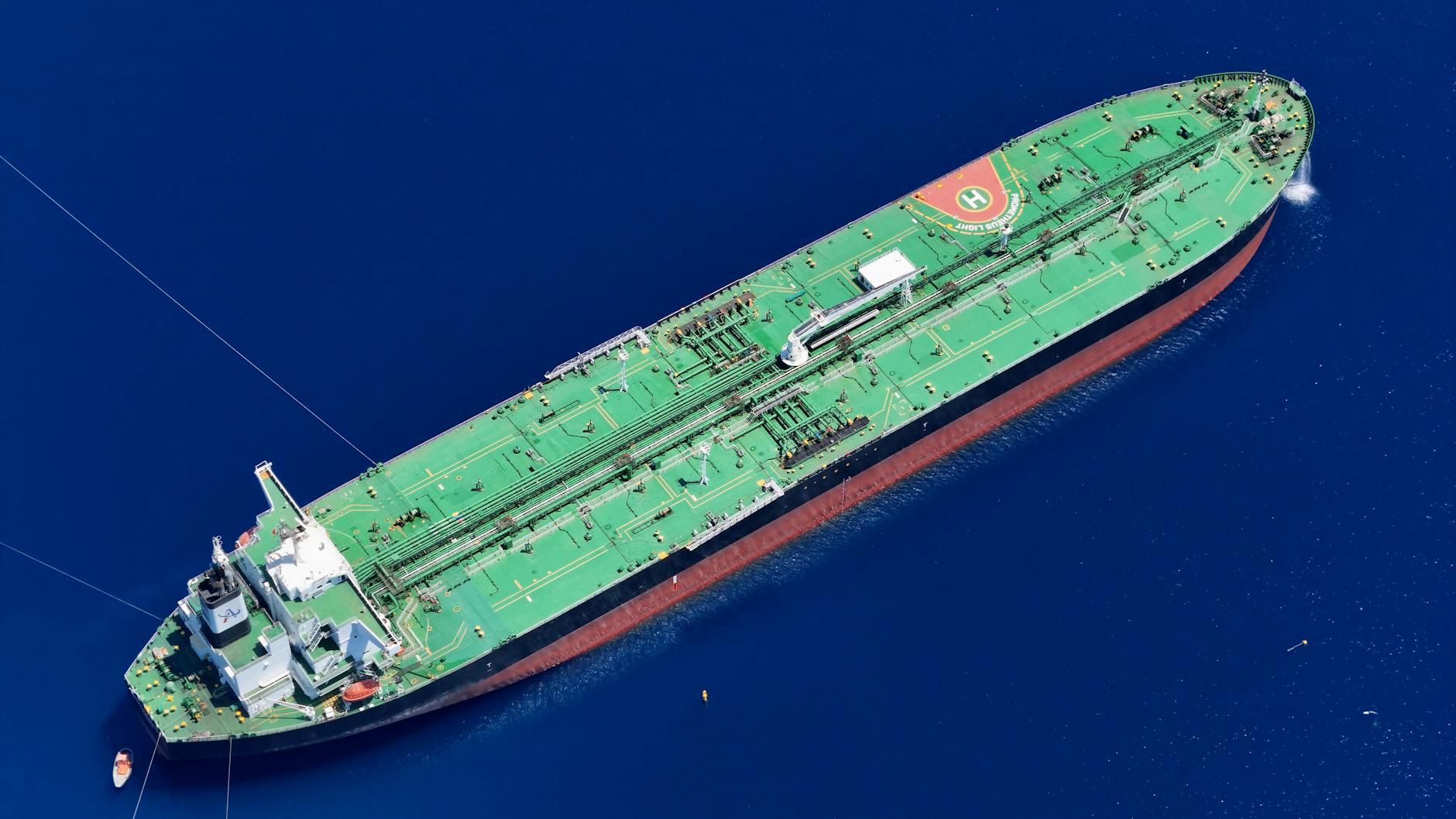
Hormuz remains the pressure point
Viewed analytically, the centre of gravity is not any single refinery, runway or bunker. The question is which side yields first: Washington on pressure, or Tehran on uranium and Hormuz. Guardian reporting on the current talks and CNBC’s account of the dispute point to the same impasse.
Rubio made the administration’s position plain in remarks carried by CNBC:
“No one in the world is in favor of a tolling system. It can’t happen [and] it would be unacceptable.”
— Marco Rubio, via CNBC
Trump used almost the same language:
“We want it open. We want it free. We don’t want tolls. It’s international. It’s an international waterway.”
— Donald Trump, via CNBC
Those statements go to the only issue that can move prices within hours. If Washington can keep commercial passage open, it limits the part of the war that reaches every importer, insurer and ally at once. If it cannot, every threat against Iran begins to function as a tax on the global economy.
On the nuclear file, Tehran still holds an important technical card. Reuters, via Al-Monitor, reported that Iran’s leadership insists enriched uranium must remain in the country. That position goes to the heart of the current dispute. Iran had about 440.9 kg enriched to 60 per cent before the attacks, and CNBC reported that the stockpile’s 60 per cent enrichment level remains the material Washington wants removed or neutralised.
At bottom, the skeptic’s question is whether there is a politically saleable version of that demand. Shipping the stockpile out, diluting it, or placing it under a tougher verification regime are different technical answers, but all of them require both sides to accept a sequence they currently reject. Washington wants the uranium problem reduced before it eases military pressure. Tehran wants proof that pressure will ease before it gives up one of the few cards it still holds. Another strike can alter that balance at the margins. It cannot resolve the sequencing problem by itself.
No clean reset
Taken together, Trump’s options are real but not especially wide. He can approve another limited round of attacks and try to convince Iran that the cost of holding both Hormuz and the uranium stockpile as bargaining chips is rising. He can hold off again and risk telling Tehran that threats of force are still negotiable. Or he can try to split the difference, keeping forces poised while mediators search for a formula neither side has yet accepted.
In markets, each path carries an external price. CNBC reported on May 21 that oil prices jumped more than 3 per cent after Iran’s supreme leader said the uranium stockpile would stay in country. Guardian Business, citing the IEA chief, said the market could be nearing a “red zone” if stocks keep tightening into the northern summer. In the bluntest terms, the region’s bargaining terms show up quickly in freight costs, crude prices and allied diplomacy.
From the White House perspective, the choice is not simply between action and inaction. It is which pressure point to test first, and how much immediate market and political risk to accept for the chance of breaking the deadlock. The targets under discussion matter because they reveal that Washington still thinks Iran can be pushed into a narrower deal. Yet Tehran appears to think time, uranium and Hormuz still give it room to hold out.
For now, that is why the apparent diplomatic opening remains unresolved. The next round of strikes, if Trump orders it, would not mark the end of the Iran story. It would be another attempt to answer the same question that has dogged the talks for days: which side yields first, and on which file.

Yara Halabi
Foreign affairs correspondent covering the Middle East, the Gulf and US foreign policy. Reports from London.