Trump pauses planned Iran strikes after Gulf states press for talks
Trump delayed planned strikes on Iran after Gulf leaders urged space for negotiations, pausing what had been an imminent military escalation to open a narrow diplomatic window.
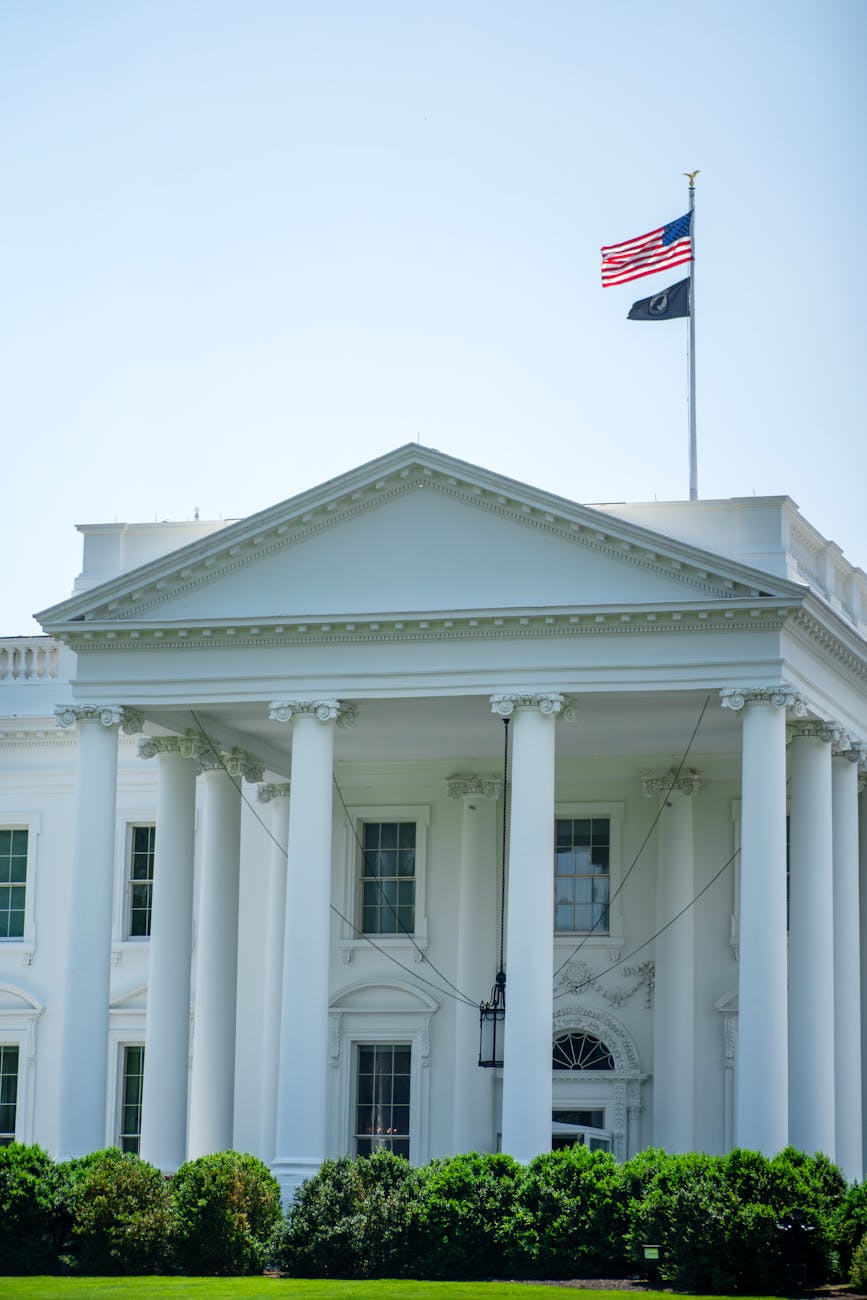
President Donald Trump delayed planned strikes on Iran after Gulf leaders urged Washington to leave room for negotiations, stepping back from an imminent military escalation in favour of a narrow diplomatic window.
POLITICO first reported the delay, confirmed by Reuters and the BBC. Trump said the attack he had been prepared to launch on Tuesday was being held back while intermediaries tried to advance contacts with Tehran. It did not remove the threat of force. It pushed the timetable back and left US military plans in place if talks failed to produce what Trump called an acceptable deal.
Trump described the delay as a short pause. He said “serious negotiations are now taking place,” according to the BBC, while telling Reuters that US forces had been told to stay ready for a “full, large scale assault of Iran, on a moment’s notice” if no agreement was reached. His twin messages gave Gulf capitals a narrow opening to test diplomacy while warning Tehran that Washington could shift back to military action quickly.
Qatar’s Emir Tamim bin Hamad Al Thani was among the Gulf leaders who pressed for more time, the reporting on the delay showed. For governments across the Gulf, the case for restraint was practical. An immediate US strike risked drawing retaliation across a region that hosts American troops, key export terminals and shipping lanes already under strain from the war. Trump postponed rather than widen the conflict.
Iran signalled it was still testing a diplomatic channel through intermediaries. Iranian foreign ministry spokesperson Esmail Baghaei said a revised proposal had been “conveyed to the American side through Pakistan,” Reuters reported. The message fell short of a settlement and Tehran did not publicly soften its broader stance. Contacts were still moving through third parties as Trump maintained the threat of force and Gulf governments worked to slow any new round of strikes.
Why Gulf states intervened
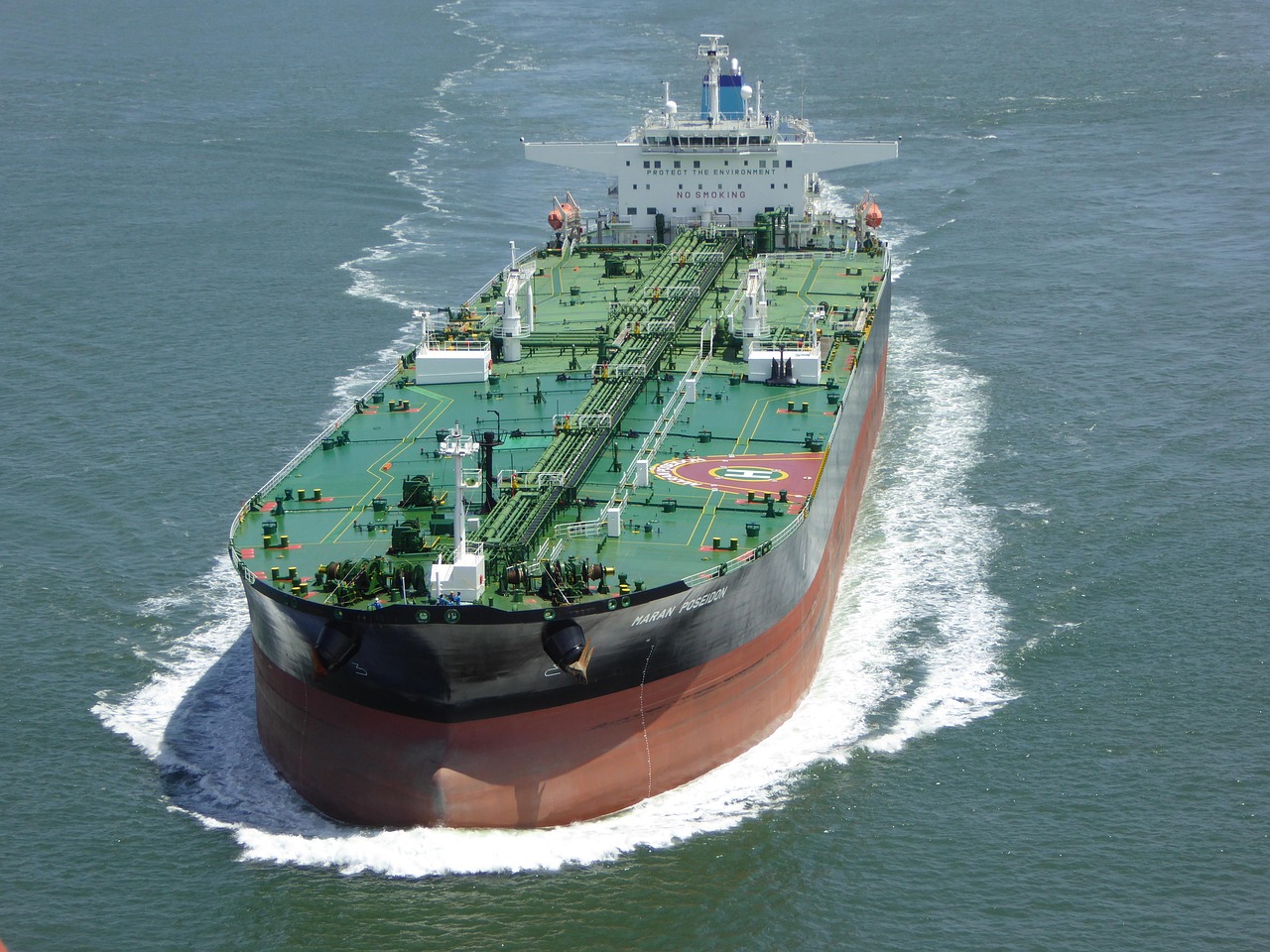
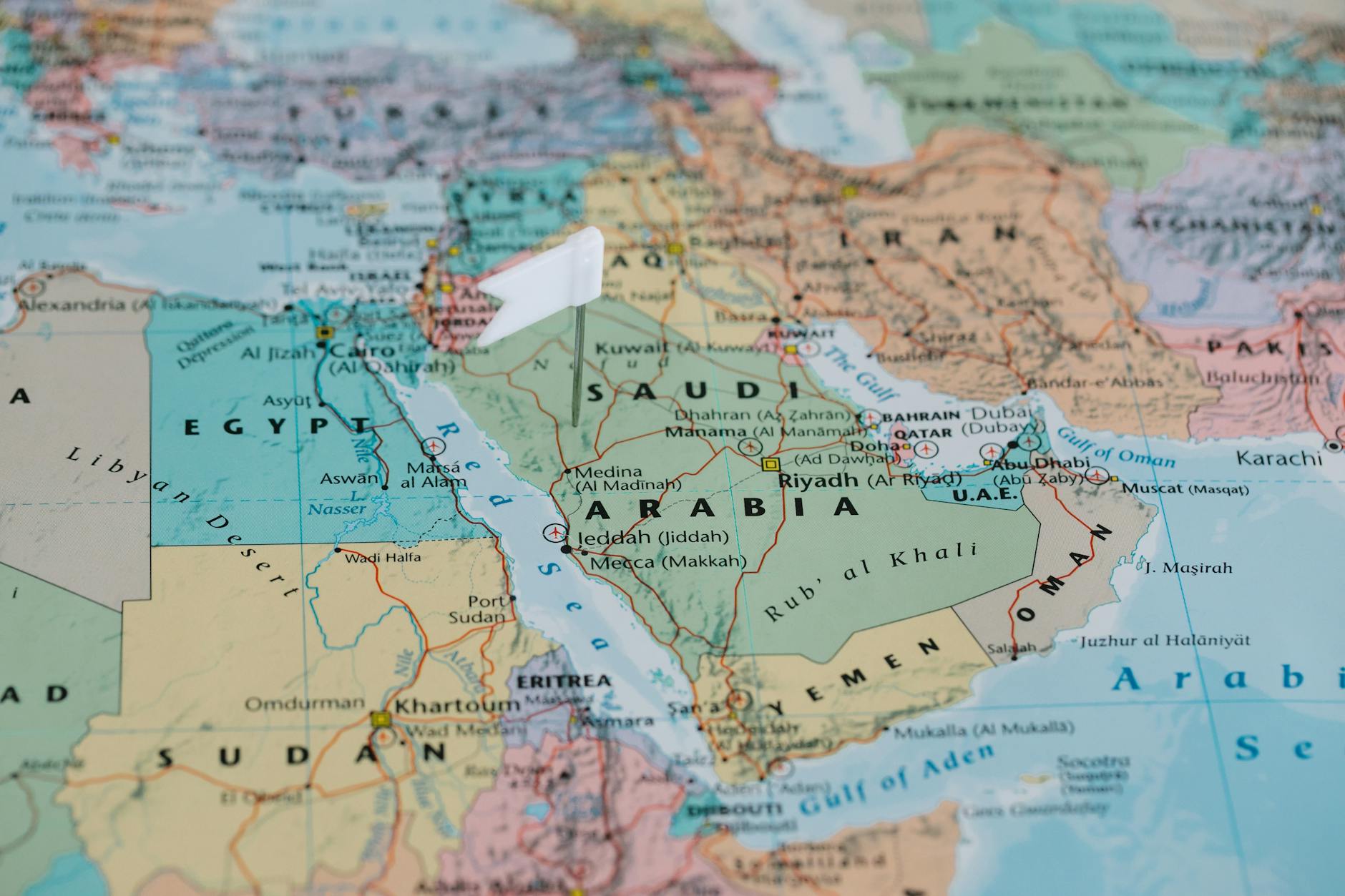
The Gulf case for delay rested on immediate economic and security risks. About 20 per cent of global oil and liquefied natural gas moves through the Strait of Hormuz, the narrow waterway between Iran and the Arabian peninsula, the BBC reported. Any fresh US attack on Iran would raise the risk to commercial shipping, energy infrastructure and bases used by American forces. Disruptions in Hormuz can quickly feed into oil prices, insurance costs and the decisions of governments trying to prevent the six-week-old war from widening.
It altered the sequence more than the underlying stakes. The conflict has now run for six weeks, the BBC said, leaving both tracks open at once. Diplomacy gained time. The military option remained active. The administration’s public message was that talks could continue only under the shadow of a possible strike — a formula that may reassure some allies but offers little certainty to markets or to the regional governments that would absorb the first shock of a wider confrontation.
For now, the outcome is a reprieve measured in days, not a settlement. Gulf leaders bought time for negotiations. Pakistan remains a channel for messages from Tehran. Trump has made clear the attack plan has not been scrapped. Whether the pause holds depends on whether the contacts under way can produce enough progress to keep Washington from returning to the military option it had been ready to use on Tuesday.

Yara Halabi
Foreign affairs correspondent covering the Middle East, the Gulf and US foreign policy. Reports from London.