Putin rejects Zelenskyy talks in 2026 as war pressure holds
Putin rejects Zelenskyy talks in 2026 because Moscow still sees delay, attrition and battlefield pressure as stronger than direct negotiations.
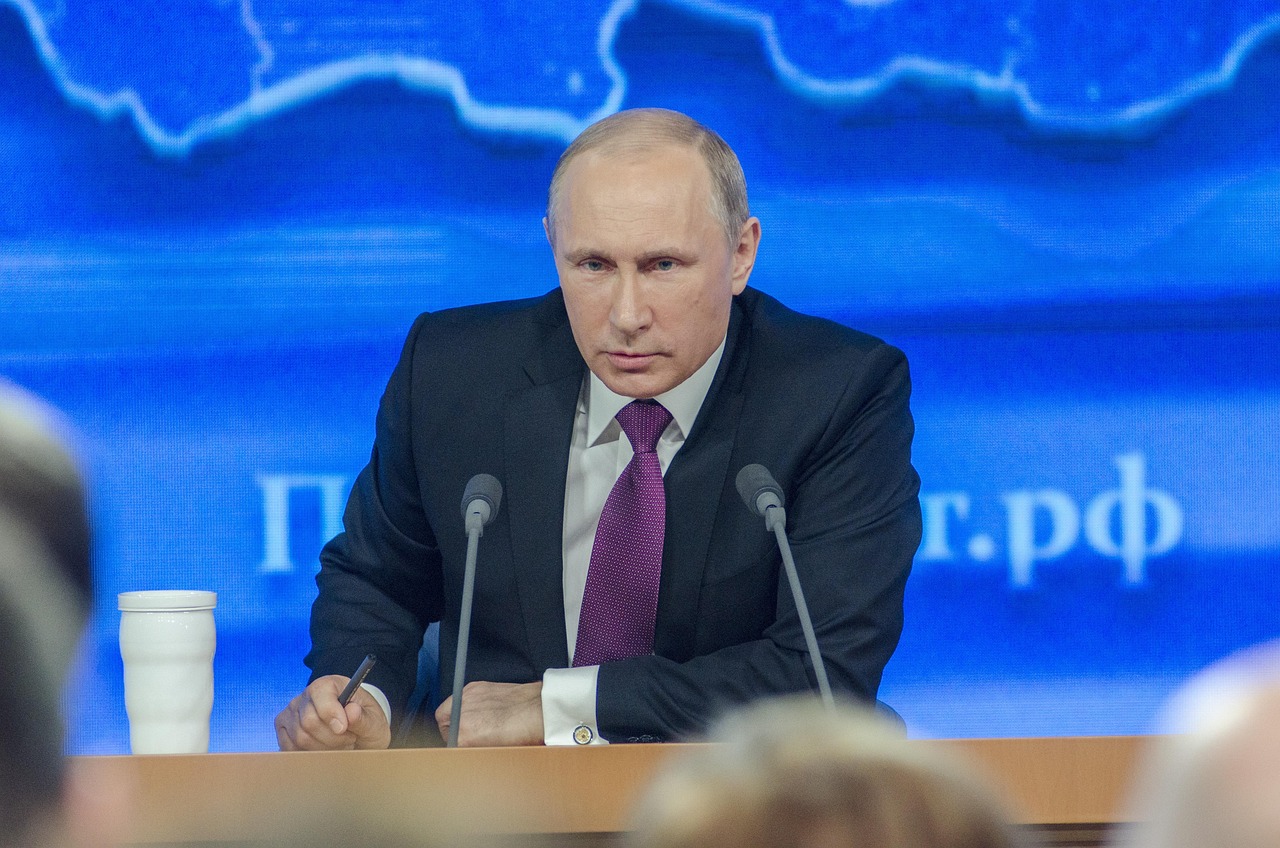
Vladimir Putin’s brusque dismissal of Volodymyr Zelenskyy’s offer of face-to-face peace talks pointed to a basic reality of the war: the Kremlin does not yet think the balance of pressure requires compromise.
In St Petersburg, the Russian president did more than reject a meeting. He presented talks as useful only if they locked in a long-term settlement on Moscow’s terms, telling the economic forum that he saw “no point” in meeting Zelenskyy while Russian forces were still pressing Ukraine on the battlefield.
Kyiv is trying to make that posture politically costly. Zelenskyy’s letter offered direct engagement and a ceasefire framework. It was also designed to force Moscow to say aloud whether it wants negotiations or simply another stretch of war.
I don’t see any point for now,
Vladimir Putin, speaking in St Petersburg
Behind the Kremlin’s answer is a bet that delay still helps Moscow. Russian pressure may improve the facts on the ground, Ukrainian strikes may embarrass the Kremlin without forcing a retreat, and Western support may remain uneven enough for time to work against Kyiv.
For Ukraine, diplomacy is inseparable from battlefield pressure. A meeting without a shift in Russian incentives would risk giving Putin the ceasefire pause he says he wants to avoid in name, but may seek in substance if it preserves gains and lets Moscow regroup.
Why delay still works for Moscow
Putin’s strongest reason to avoid direct talks now is also the simplest. A meeting would create expectations of movement, and Moscow is not signalling that it is ready to trade away the territorial and political demands it has attached to the war.

According to the BBC, Putin said Ukraine wanted talks only to halt Russia’s advance. His fuller answer was more revealing because it treated a pause as a tactical danger unless it produced an outcome that lasted on Russia’s terms.
The only point is for the Ukrainian side to halt the advance of our armed forces. But we need agreements - not for six months, not for three months, but for the long term,
Vladimir Putin, speaking in St Petersburg
That distinction matters. A short ceasefire would limit the offensive tempo Russia has spent years sustaining at high cost. A long-term agreement, as Putin frames it, would have to validate Moscow’s basic demands, including claims around occupied territory and Ukraine’s strategic orientation.
The Guardian reported that Putin used the same appearance to reaffirm Russia’s war aims, including seizing Donbas. That is not the language of a leader preparing for a leader-to-leader compromise. It is the language of a leader trying to define the endpoint before negotiations begin.
The contradiction is plain. Analysts cited by the Washington Post have argued that Russia’s war aims look increasingly difficult to achieve as the offensive stalls, resources tighten and Ukraine strikes more frequently inside Russia. The strain is real. But strain is not the same as capitulation, and Moscow appears to believe it can absorb more of it than Kyiv and its partners can.
This is the attrition bet. It does not require Russia to win quickly. It requires the Kremlin to believe that every month of grinding pressure changes the negotiating baseline by a little, or at least prevents Ukraine from converting diplomatic offers into a settlement that freezes the war on terms Kyiv can accept.
Kyiv tries to force the choice
Zelenskyy’s letter sought to reverse that logic. By inviting Putin to meet directly, the Ukrainian president put the public burden back on Moscow and framed refusal as proof that Russia is the obstacle to peace.

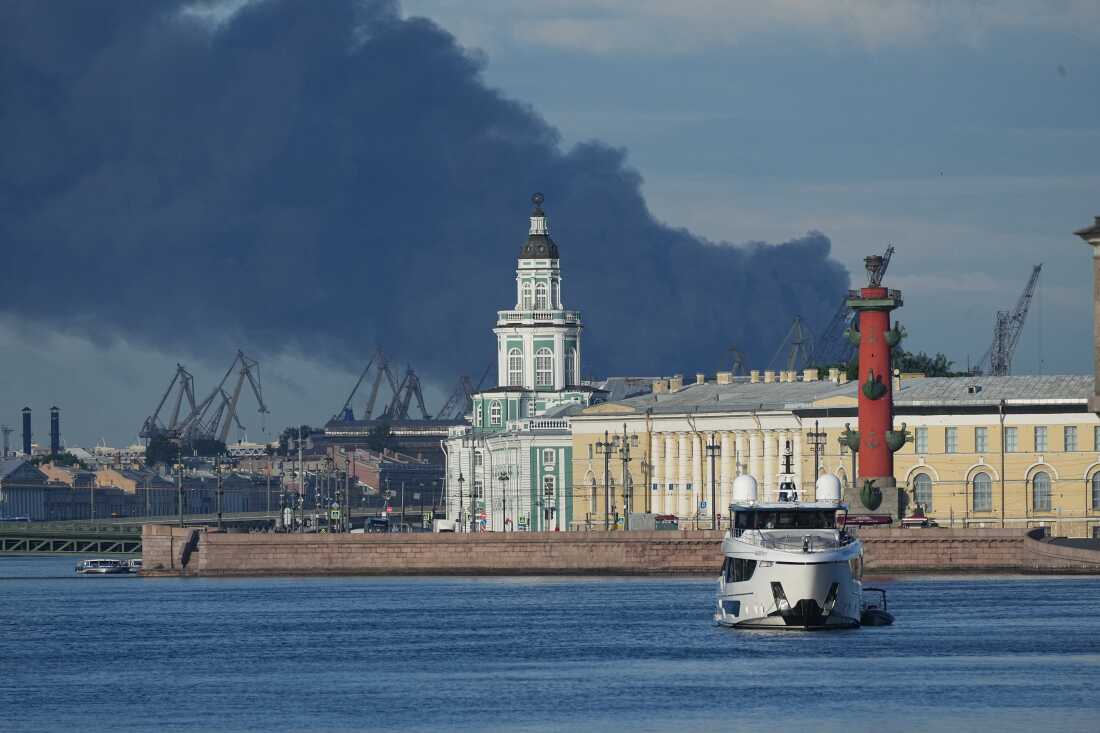
Timing gives the offer its edge. The letter followed Ukrainian drone attacks that reached into St Petersburg, where Russia was hosting a showcase economic forum expected to draw 20,000 visitors from 130 countries. The Guardian reported that the strikes hit energy and military sites near the city as the forum opened.
Kyiv’s message was not only diplomatic. Russia could not assume a safe rear area while telling investors and foreign guests that the war was contained. Zelenskyy also highlighted an oil terminal roughly 1,100 km from Ukraine’s border that Kyiv said had been struck, according to SBS reporting cited in the research bundle.
Those attacks complicate Putin’s narrative, but they have not yet changed his negotiating posture. For the Kremlin, deep strikes may be an embarrassment and an air-defence problem. They are not, at least so far, a reason to abandon the demand that Ukraine accept Russia’s preferred end state.
The result is a narrow and dangerous diplomatic gap. Ukraine wants to show it is ready to talk without accepting a ceasefire that rewards invasion. Russia wants to appear open to a settlement while preserving the option to keep fighting until it has better terms.
Semafor described Zelenskyy’s proposal as a combative letter that paired a talks offer with a case against Putin’s conduct of the war. The framing matters because Kyiv is not simply asking for a meeting. It is trying to make the absence of a meeting evidence in the wider argument over responsibility for the war.
Western pressure remains uneven
The third part of Moscow’s calculation sits outside Ukraine and Russia. Putin can reject a meeting more easily if he believes Western pressure will remain fragmented, delayed or distracted by other crises.
Zelenskyy’s letter noted that the United States was “fully focused” on Iran, according to The Hill’s account. That line was more than a complaint. It pointed to the risk that Ukraine’s diplomacy has to compete with other foreign-policy emergencies at precisely the moment Kyiv needs sustained pressure on Moscow.
There are countervailing signs. The House approved a Ukraine aid package with some Republican support, according to reporting carried in the research bundle. European governments are also still seeking ways to raise the cost of Russia’s campaign. But aid votes, sanctions debates and diplomatic pressure do not always arrive at the same time or with the same force.
Moscow has spent the war exploiting those gaps. When Western weapons deliveries slow, Russia presses on the front. When sanctions debates lengthen, the Kremlin adjusts trade routes and budget choices. A shift in diplomatic attention lets Putin present himself as patient while demanding that Ukraine make the first meaningful concession.
Time is not cost-free for Russia. War spending, casualty pressure, drone attacks and the need to reassure domestic elites all narrow the Kremlin’s room for manoeuvre. Putin’s appearance in St Petersburg carried that tension: a confidence message delivered at a forum overshadowed by the reach of Ukrainian drones.
His refusal also shows why a direct meeting remains unlikely without a sharper shift in incentives. Putin would have to believe that refusing talks costs him more than accepting them. Right now, he appears to believe the opposite.
What happens next
The immediate effect of the exchange is to harden both sides’ public positions. Zelenskyy can say he offered direct talks. Putin can say he rejected theatrics and wants a settlement that lasts. Each side is speaking to foreign governments as much as to the other.
For Kyiv, the next phase is likely to combine more pressure inside Russia with more public diplomacy. Long-range strikes are meant to show that the war’s costs can spread beyond the front line. The talks offer is meant to show that Ukraine is not rejecting peace.
Moscow’s incentive is to keep the diplomatic threshold high. Putin can say he is not against agreements while rejecting a meeting that might expose how little Russia is willing to concede. That leaves room for lower-level contacts, prisoner exchanges or technical discussions, but not necessarily for the political bargain Zelenskyy is trying to force.
The clearest reading of Putin’s answer is therefore not that negotiations are impossible. It is that Moscow still wants negotiations to follow battlefield pressure, not interrupt it.
Until that changes, the Kremlin’s preferred sequence remains the same: fight first, talk later, and make any future meeting ratify what the war has already changed.

Anya Voronova
Eastern Europe correspondent covering the war in Ukraine, Russia and the Caucasus. Reports from Warsaw.