Zelenskyy vows reprisal after deadly Russian strike on Kyiv
Zelenskyy's warning after a strike that killed 24 in Kyiv and a same-day prisoner swap kept the war centered on escalation, not de-escalation.
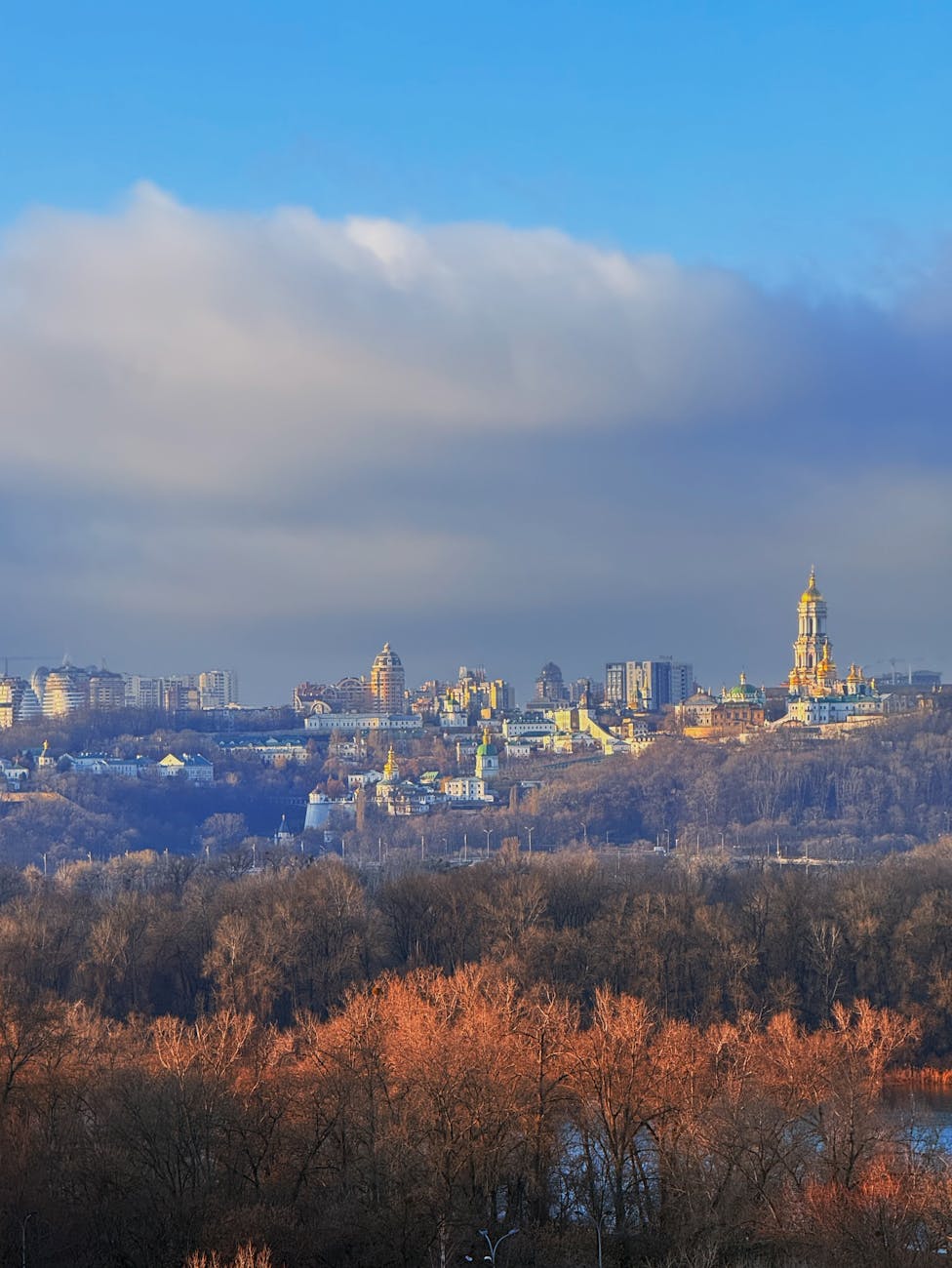
Volodymyr Zelenskyy vowed that Russia’s latest deadly bombardments would not go unanswered after a missile struck a Kyiv apartment building and killed 24 people, including three children. The Guardian reported that the Ukrainian president’s pledge came on the same day Moscow and Kyiv completed a 205-for-205 prisoner swap — an exchange that showed narrow channels of contact can survive even as the fighting sharpens.
“Ukraine will not allow any of the aggressor’s strikes that take the lives of our people to go unpunished,” Zelenskyy said.
The warning shifted focus to Ukraine’s next military move. For months Kyiv has tried to show that Russian long-range attacks will not force it into a purely defensive posture. A public vow of retaliation tells Ukrainians and foreign partners that the government still intends to answer where it can, even as pressure on air defences and cities keeps rising.
According to France 24, Zelenskyy said Russia had taken the lives of 24 people in the Kyiv strike, including three children. The toll sharpened the political stakes inside Ukraine. Each large strike forces the government to show it can still respond to long-range attacks even when Russian missiles reach deep into major cities.
The BBC reported that the missile hit an apartment building in Kyiv and that the prisoner exchange still went ahead the same day. Swaps of captured troops remain one of the few pieces of direct contact Moscow and Kyiv still sustain. The exchange did little to soften the picture created by the attack. Kyiv was left in mourning, and the focus returned to civilian vulnerability, air defence strain and the prospect of another Ukrainian response.
ABC News reported that Zelenskyy said Russia had launched about 1,500 drones at Ukraine since Wednesday, along with dozens of missiles. Russian officials, meanwhile, said 99 Ukrainian drones attacked Ryazan overnight, according to France 24. Even when one development suggests a narrow humanitarian opening, the next volley drags attention back to retaliation and reach.
Diplomacy pushed aside
The strike also jarred the diplomatic track. Reuters, via Free Malaysia Today, reported that US President Donald Trump said the war had seemed to be moving in a better direction until Ukraine “took a big hit last night.” The remark was not a new initiative from Washington. But a single attack with a large civilian toll was enough to shove discussion away from diplomacy and back toward immediate battlefield risk.
The prisoner swap was folded into a news cycle dominated by funerals, casualty counts and the next likely round of strikes. What might have registered as limited progress instead became a footnote.
For Zelenskyy, the public vow of retaliation serves a domestic purpose. After repeated waves of drones and missiles, he needs to show that air-defence pressure and civilian losses are not eroding Ukraine’s ability to respond. For Vladimir Putin, continued long-range strikes keep pressure on cities far from the front. They also test whether Western backers treat each large attack as requiring urgency — or as routine.
Those backers face the same question. Support debates do not unfold in an abstract policy space; they happen against visible civilian losses, damaged housing blocks and a tempo of strikes that can shift the political mood in a single night.
A prisoner swap involving 205 people on each side unfolded alongside funerals in Kyiv and reports of new drone attacks inside Russia. The war, for now, is not edging toward talks. It is settling into a harsher exchange of blow and counter-blow.
What happens next depends on how Ukraine chooses to answer and whether Russia answers again just as quickly. Zelenskyy did not spell out what form retaliation could take. By saying the dead would not go unpunished, he signalled that Kyiv wants the next phase of the war judged by its willingness to keep imposing costs — not by diplomatic fatigue.

Anya Voronova
Eastern Europe correspondent covering the war in Ukraine, Russia and the Caucasus. Reports from Warsaw.