Hezbollah rejects Lebanon-Israel ceasefire as strikes continue
Hezbollah rejects Lebanon-Israel ceasefire terms, putting a U.S.-brokered deal under strain as strikes continue and Iran diplomacy narrows.
Hezbollah rejected a U.S.-brokered ceasefire announced by Lebanon and Israel, weakening an attempt to stop the border fighting and preserve a wider diplomatic channel involving Iran.
The arrangement was fragile from the start. Lebanon and Israel had accepted terms that Lebanese President Joseph Aoun said could take effect within 24 hours once all parties approved them. Hezbollah was not part of the announcement, and its leaders said the wording looked less like a truce than a demand for surrender.
Hezbollah leader Naim Qassem called the proposal “absurd, humiliating and insulting”, according to NPR. He said it amounted to “surrender, defeat and achieving the enemy’s goals.” The language left little room for a quick retreat by the group.
For U.S. and regional officials, Hezbollah’s refusal reaches beyond the Lebanon-Israel front. They have been trying to stop the fighting from drawing Iran, Israel and Lebanon into a wider cycle while keeping space open for talks with Tehran. A ceasefire that exists on paper but lacks consent from Hezbollah gives mediators less to use.
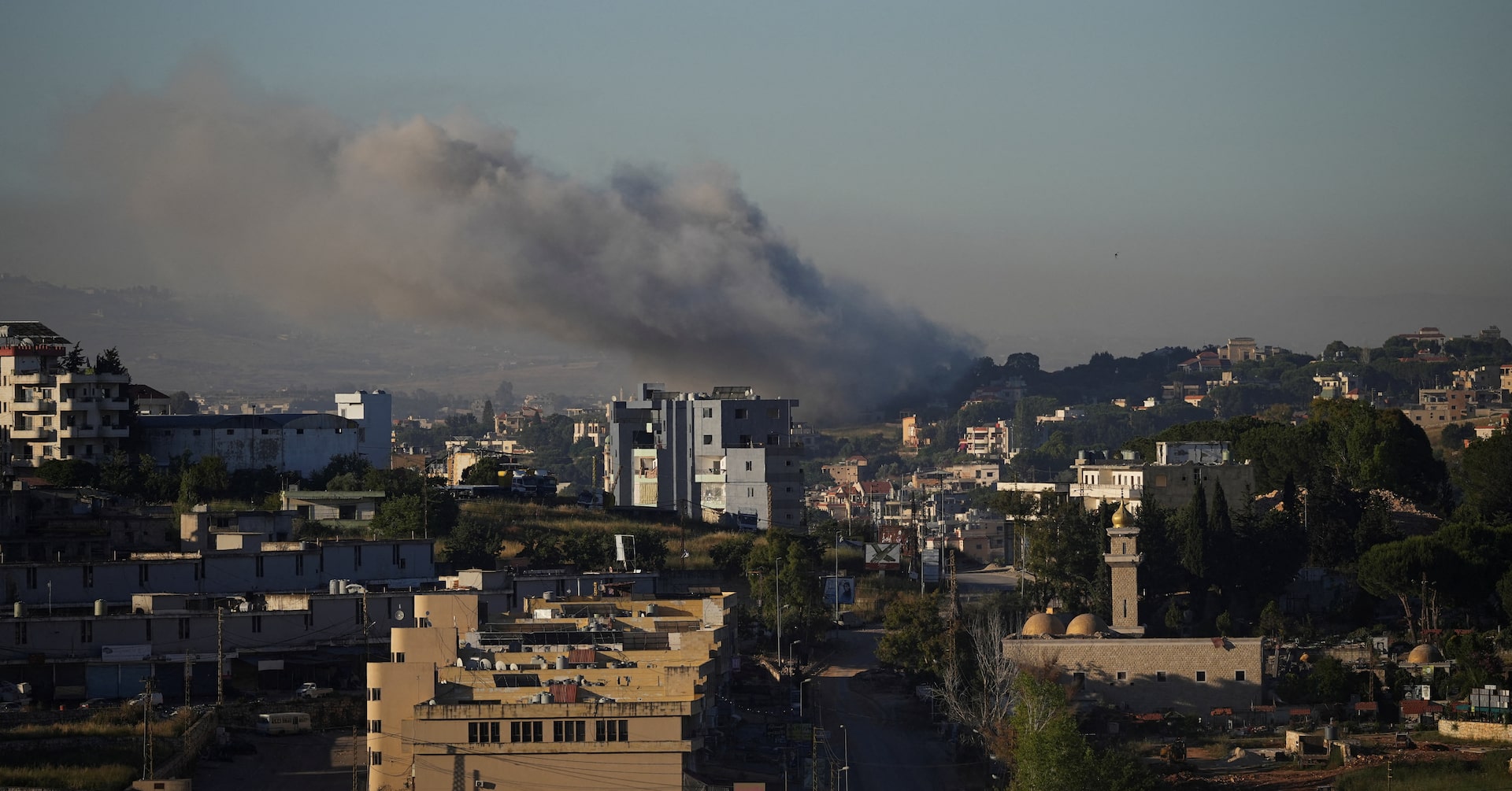
Israel has said it will not withdraw troops while it still sees a security threat. Israeli strikes continued in Lebanon as the agreement was being discussed, according to the Washington Post/AP account included in the ceasefire coverage. For Hezbollah, that timing supported its argument that the proposal would not necessarily end Israeli military pressure.
The fragile terms
Aoun presented the ceasefire as a way to halt fighting quickly if approvals were secured, and NPR reported that the plan was intended to take effect within 24 hours. The clock depended on consent from armed forces that Lebanon’s government does not fully control.
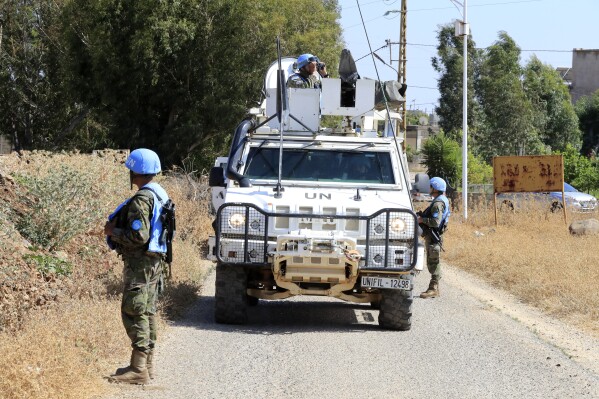
The UN peacekeeping mission in southern Lebanon also reported fresh casualties. One peacekeeper was killed by mortar fire in the southeast, and NPR said that brought the number of UNIFIL peacekeepers killed since fighting resumed in March to seven.
The deaths show how little distance remains between diplomatic timetables and the battlefield. UNIFIL is meant to provide an international buffer in southern Lebanon, but its losses point to the risk that monitors can become targets or casualties before a ceasefire takes hold. For Lebanon’s government, that makes it harder to argue that approval from Beirut alone can stop fire on the ground.
President Donald Trump, asked about the fighting, described it as a long-running conflict rather than a dispute likely to end quickly. “It’s been going on for a long time, you know,” he told Reuters.
Washington’s immediate problem is sequencing. A Lebanon ceasefire was meant to reduce one source of pressure as U.S. and regional officials looked for a path back to talks involving Iran. Hezbollah’s rejection instead leaves Israel operating, Lebanon defending an agreement it cannot enforce alone and Tehran watching an allied group resist terms brokered with U.S. support.
Any next round will have to narrow the gap between formal approval and armed compliance. Qassem wants language that does not read as surrender, while Israel is seeking assurances that northern communities will not face renewed attacks. Lebanon, caught between them, is trying to restore state authority without provoking a fresh confrontation with the country’s most powerful armed faction.
That does not make a ceasefire impossible. It does mean the next version would have to answer Qassem’s core objection while giving Israel enough assurance to pause operations. Until then, the agreement remains a diplomatic draft competing with events on the ground.

Yara Halabi
Foreign affairs correspondent covering the Middle East, the Gulf and US foreign policy. Reports from London.