Israel and Lebanon extend truce as strikes continue
Israel and Lebanon agreed to extend their ceasefire by 45 days after U.S.-backed talks, but Israeli strikes in southern Lebanon continued, leaving the truce in place on paper even as violence persisted on the ground.
Israel and Lebanon agreed to extend their ceasefire by 45 days after U.S.-backed talks. Israeli strikes in southern Lebanon continued on Friday, however, and so far the extension has done little to stop military action on the ground. The arrangement holds — on paper. Negotiators have more time. The shooting has not stopped.
At stake is a U.S.-mediated channel that Washington has been trying to keep open while preventing the Lebanon front from tipping into a wider regional crisis. Diplomats describe the arrangement less as a clean ceasefire than as a mechanism for managing the escalation. It is useful, within limits, but not a settlement. After the announcement, strikes kept coming — and that fact alone makes the distinction hard to miss.
State Department deputy spokesperson Tommy Pigott said the April 16 cessation of hostilities would be extended by 45 days “to enable further progress”, according to ABC News. Military delegations are due to meet on 29 May, and talks on a permanent political agreement are expected on 2 and 3 June. Pigott used precise language — a cessation of hostilities, not a peace deal — and the calendar points to more negotiation rather than a final settlement.
Keeping the negotiating architecture intact while lowering the immediate pressure on diplomats is what a time-limited extension achieves. What it also does is expose how much of the truce depends on constant maintenance. Every strike that lands after the announcement raises the risk that events on the ground will outrun the political process. Mediators get pulled back into crisis management instead of implementation.
Time, not resolution.
Military-to-military contacts and political talks both get more room from the 45-day extension. What the extension does not settle is the core problem that surfaced this week: both parties are testing the limits of the arrangement while counting on mediators to stop it from collapsing. A scheduled meeting is a diplomatic milestone — but it is also a deadline, and whatever happens in the field, the clock is ticking.
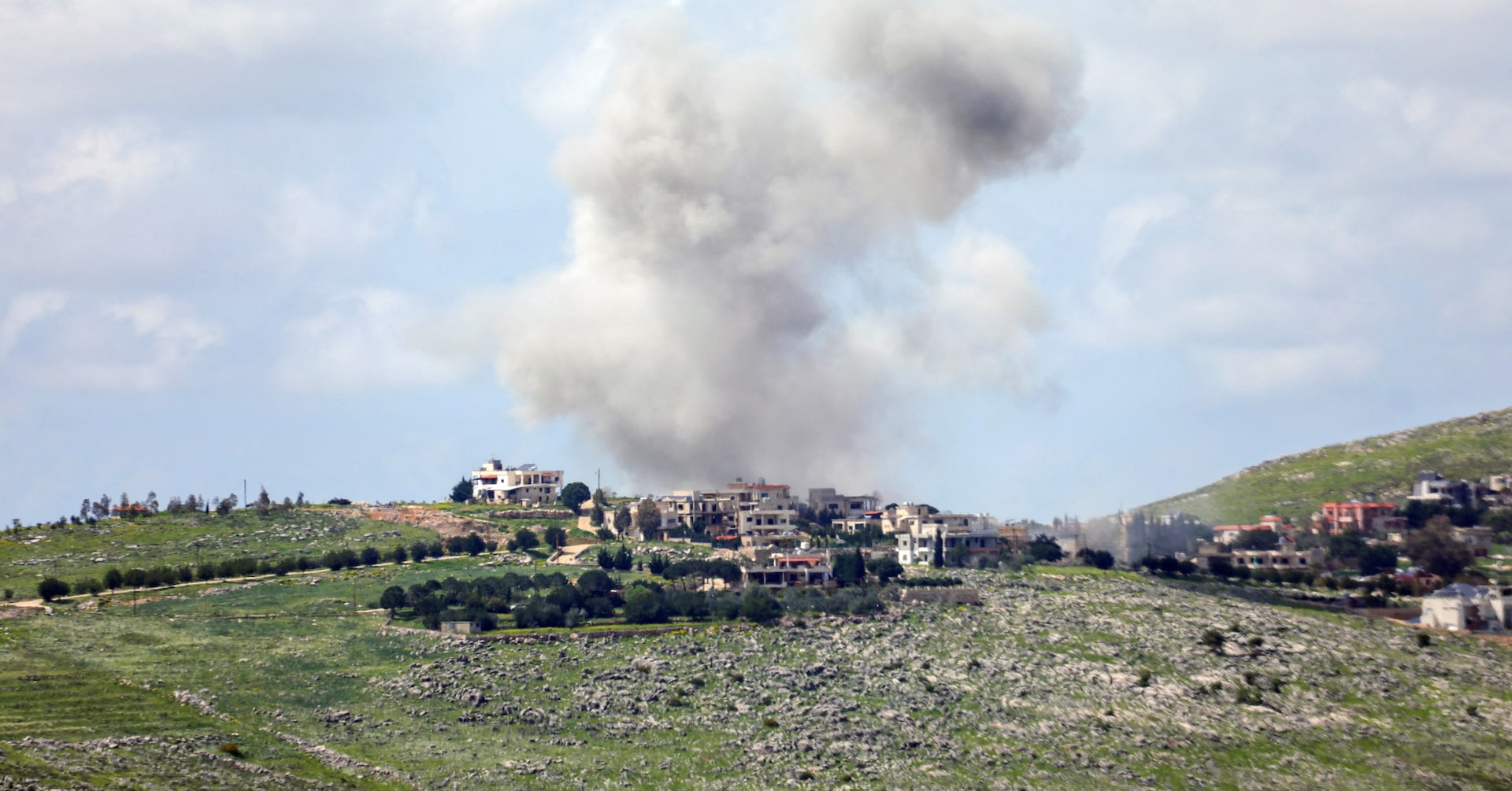
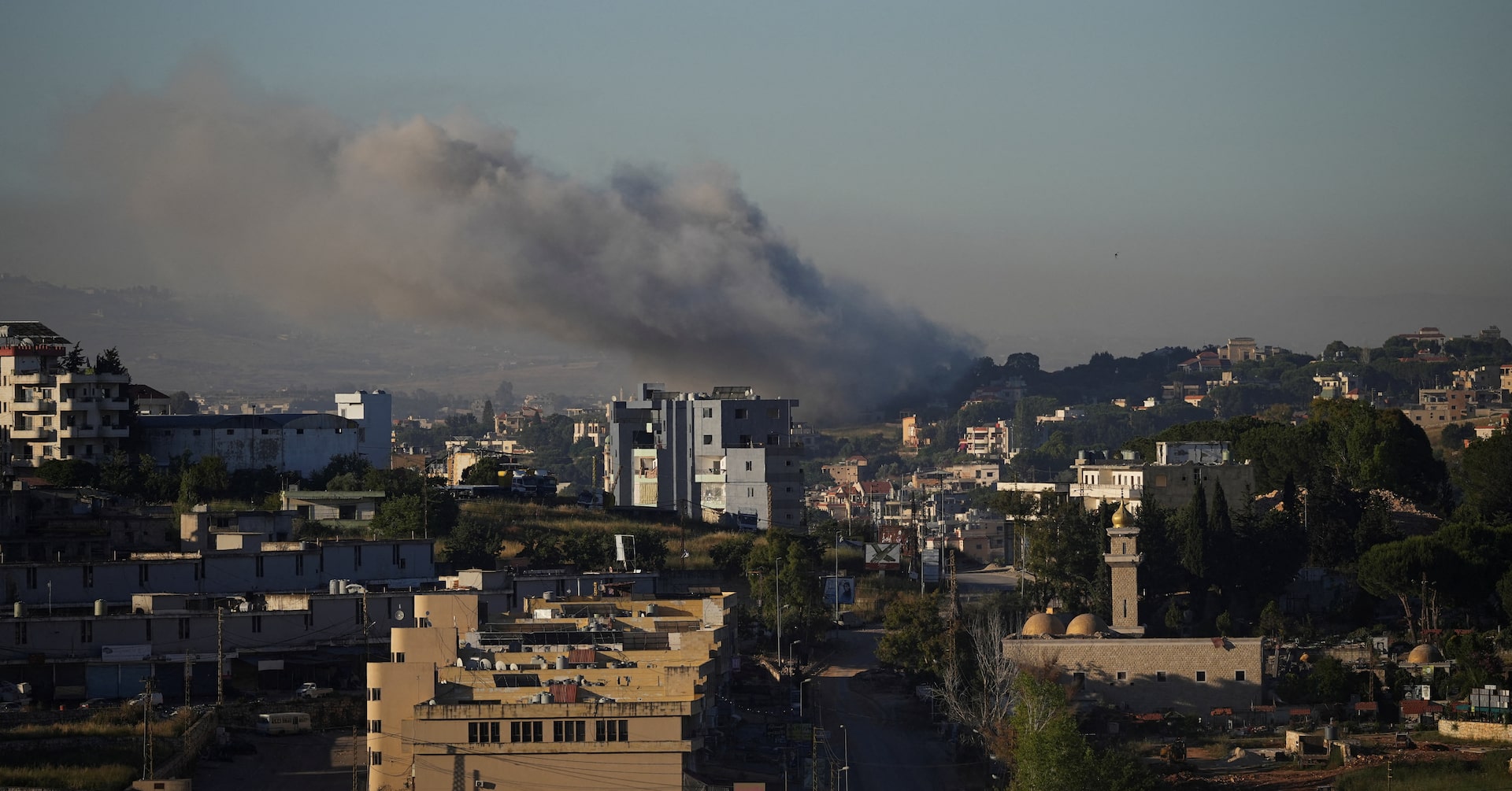
The field has not been quiet. Al Jazeera reported that Israeli strikes were hitting southern Lebanon after the extension was announced. Its report put the toll at 2,969 people killed and 9,112 wounded in Lebanon since fighting resumed on 2 March — a measure of what a repeatedly tested arrangement has already cost. Beirut is watching diplomacy unfold alongside continued losses. Washington is watching each extra day bought at the table try to survive another day of military pressure.
Ongoing strikes also complicate any argument that the extension alone has restored stability near the border. Operations that continue while talks proceed make the ceasefire harder to define publicly and harder to defend politically. That kind of ambiguity preserves negotiations for a while. It rarely produces a durable end state by itself.
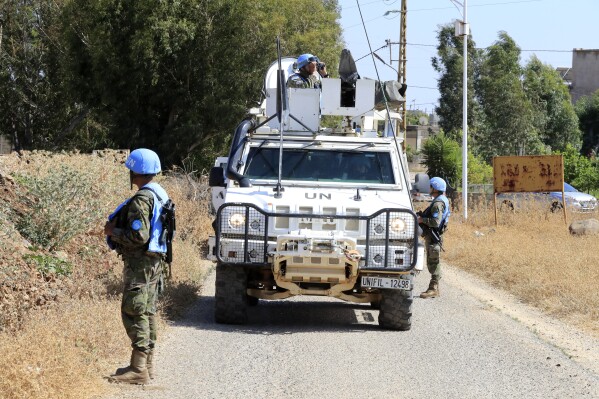
The UN press office said Secretary-General António Guterres welcomed the 45-day extension, calling it a chance to lower the risk of further confrontation. But Imran Riza said that “the reality on the ground in Lebanon has been deeply alarming”, and warned that humanitarian and security conditions are not improving in step with the diplomatic timetable. One statement welcomed the framework; the other signalled that on the ground, it is not working. Outside actors can hold both views because the alternative — letting the truce collapse — looks worse.
For the UN and others, that is a familiar calculation: support the framework, however incomplete, because the alternative is a sharper breakdown. But repeated extensions without a visible reduction in violence erode confidence in the process. Communities in southern Lebanon see diplomatic headlines and continued strikes in the same news cycle. They do not need a briefing to know which one is real.
What comes next
The military delegation meeting on 29 May is the first practical test. That forum lets the parties address the operational problems that survived the earlier ceasefire period. Talks on a permanent political agreement begin in early June and will be the harder test. A political track can hold only if the ceasefire starts to look credible enough for both sides to stay invested in it.
Washington is back in a role it knows: trying to stop a limited understanding from failing before a broader settlement exists. The Lebanon track sits inside a larger Middle East diplomatic picture, but the immediate question is narrower. Can the United States keep the border quiet enough, for long enough, to turn a rolling extension into a workable agreement? Friday’s decision answered only part of that question. The channel is open. The violence has not stopped.
For now, the ceasefire holds because neither side has walked away and because outside mediators still think it is worth defending. The question for diplomats is whether the next meetings narrow the gap between declared calm and actual conditions. For residents of southern Lebanon, the measure is simpler — whether the border gets quieter before the 45 days run out. The extension buys negotiators time. It has not yet bought the kind of stability that lets a truce stand on its own.

Yara Halabi
Foreign affairs correspondent covering the Middle East, the Gulf and US foreign policy. Reports from London.