Thomas Massie loses Kentucky primary to Trump-backed rival
Thomas Massie loses Kentucky primary as Trump-backed Ed Gallrein wins 55 per cent to 45 per cent, sharpening the warning to Republican holdouts.

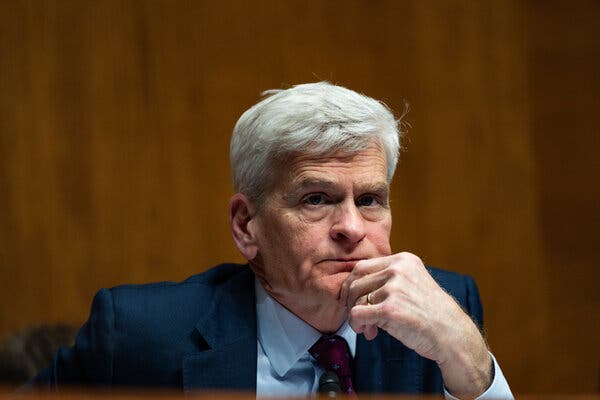
President Donald Trump’s hand-picked challenger Ed Gallrein defeated Representative Thomas Massie in Kentucky’s Republican House primary on Tuesday, ending a contest that had become the party’s most visible test of whether a high-profile dissenter could survive the president’s direct opposition. The 55 per cent to 45 per cent result denied Massie another term from a district that has backed him overwhelmingly and handed Trump his latest proof that endorsements still carry weight inside Republican primaries.
Northern Kentucky delivered a result with consequences far beyond its borders. Massie had become the most prominent member of a small group of Republicans who resisted Trump on specific votes while remaining firmly inside the party’s conservative wing. NPR reported that Gallrein’s win ended Massie’s re-election bid after a campaign national Republicans had tracked as a measure of the political cost of crossing the president.
Washington paid close attention partly because Massie was no moderate. He entered the primary with deep support among conservative activists and a record he argued was overwhelmingly aligned with the president. In an interview cited by Axios, the congressman described that record this way:
“I vote with the President 90% of the time. I voted for the SAVE Act. I voted for DHS. In fact, by most scorecards, I’m the most conservative Republican, so it’s only the 10% of the time they’re mad about.”
— Thomas Massie, via Axios
Voters in a district where nearly two-thirds backed Trump in the 2024 presidential election did not accept that defence. Trump used his endorsement and public attacks to turn the primary into a loyalty test, at one point calling Massie “the worst congressman in the history of our country” in remarks reported by Axios. More than $32 million in ad spending poured into the contest, a sum that turned a House primary into a national proxy fight over discipline inside the Republican conference. Donors and allied groups treated the race as a test case, not just a local contest.
A 10-point margin was wide enough to foreclose any argument that local goodwill had nearly offset Trump’s anger. It also suggested that once the president nationalizes a primary, a sitting lawmaker loses the usual advantages of incumbency — name recognition, fundraising networks, ideological credibility — when the race becomes a referendum on loyalty.
Gallrein moved quickly after the result to frame himself as a dependable vote for the White House agenda. In comments carried by NPR, he said:
“Now my focus is on advancing the president’s and the party’s agenda to put America first and Kentucky always.”
— Ed Gallrein, via NPR
Why the race mattered
Trump gained more than a single primary win. The Kentucky result reinforced a lesson many Republicans already understood: endorsements remain potent when paired with money, repetition and an argument that strips away complexity. Massie was a particularly visible target because he was not an ideological outlier but a conservative lawmaker whose breaks with Trump had become public enough to make him a symbol of defiance.
Because the seat is safely Republican, the contest did not turn on whether voters wanted a different ideological direction for the district. It turned on whether enough Republican primary voters accepted Trump’s argument that disagreement, even from a reliably conservative incumbent, had become disloyalty. Lawmakers elsewhere now face a starker warning: in a Trump-aligned district, the president can define the meaning of a dissenting vote before an incumbent has much chance to explain it.
Selective resistance, the Kentucky race showed, will be treated as outright resistance once it becomes public and personal — part of a broader White House effort to enforce discipline inside the party. Not every Trump endorsement will succeed, but Republican lawmakers now have fresh evidence that the president can still reshape primaries in districts that are culturally and electorally favorable to him.
The defeat is likely to travel beyond one House seat. Republicans moving toward the 2026 midterm cycle are already managing internal strain over foreign policy, spending and how closely to align themselves with the White House on each new vote. Massie’s loss suggests that even lawmakers who can credibly claim broad agreement with Trump may pay a steep price if the remaining disagreements harden into a public feud with the president.
How fast a complicated legislative record can be reduced to a shorter question about allegiance was another lesson of the night. Massie asked voters to separate his conservative voting history from his clashes with Trump. Gallrein, with the president’s backing, persuaded enough of them not to make that distinction. With the general election expected to favour Republicans in the district, the practical issue for party insiders was less electability than who gets to define the terms of loyalty.
Kentucky Republicans now have a new nominee for a safe seat. National Republicans have lost one of the party’s best-known independent streaks — removed in a contest Trump chose to make personal. The result is likely to stiffen party discipline in the near term, while giving GOP holdouts a fresh warning about the cost of becoming the exception the president wants voters to notice.

Ramona Castellanos
US politics correspondent covering Congress, primaries and the Trump administration. Reports from Washington.