Ahmadinejad plan recasts Israel's Iran war aims
Mahmoud Ahmadinejad plan suggests Israel's Iran war was tied to regime engineering, raising the cost of any cease-fire and shipping deal.
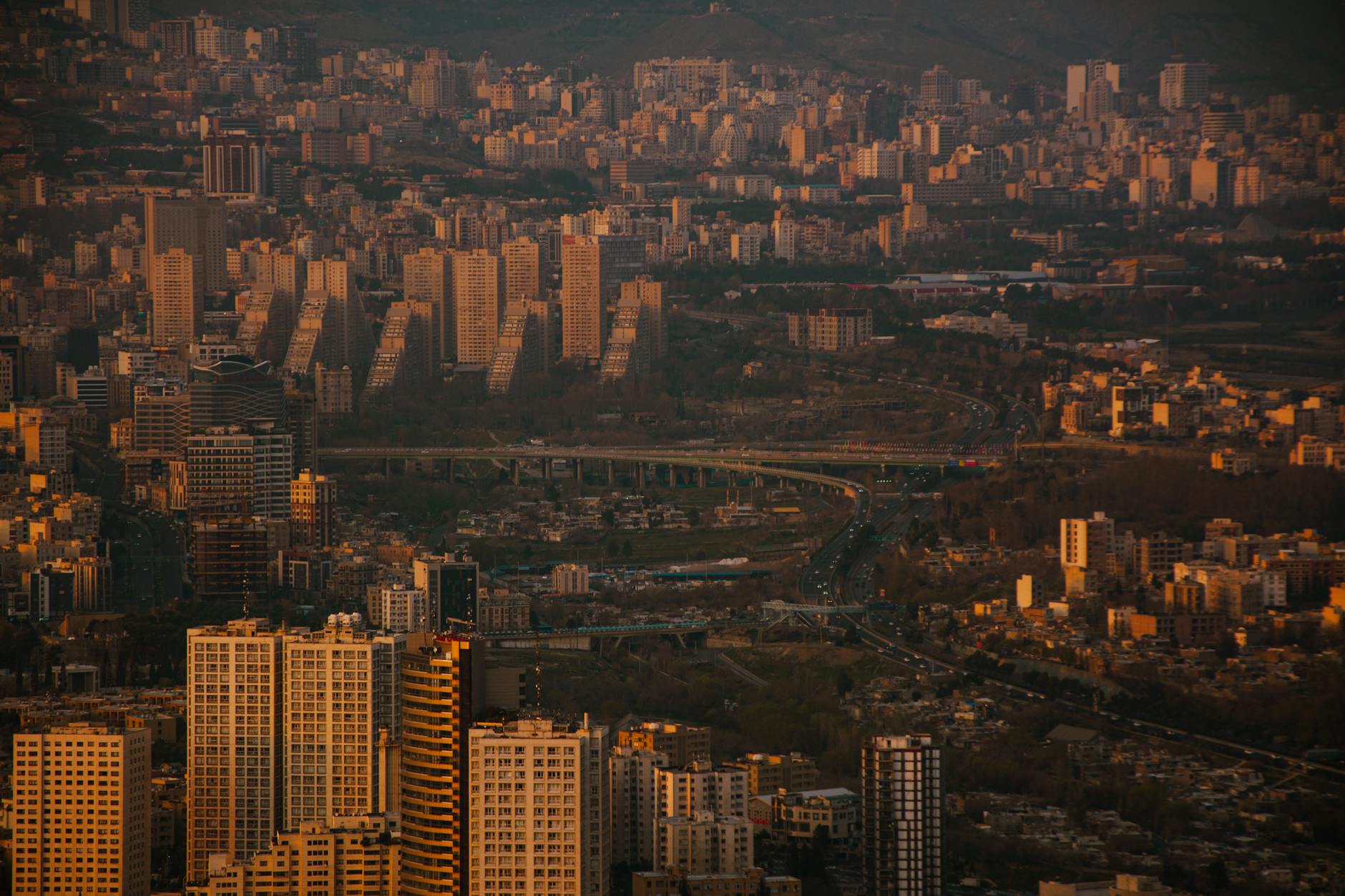
The New York Times reported that one of Israel’s early strike concepts was to free former Iranian president Mahmoud Ahmadinejad from house arrest in Tehran and help put him in power. If the report is accurate, the detail places regime engineering near the opening of the war rather than at its rhetorical fringe, and suggests the operation was conceived as a bid to shape succession in Tehran, not only to destroy launchers, depots or nuclear infrastructure.
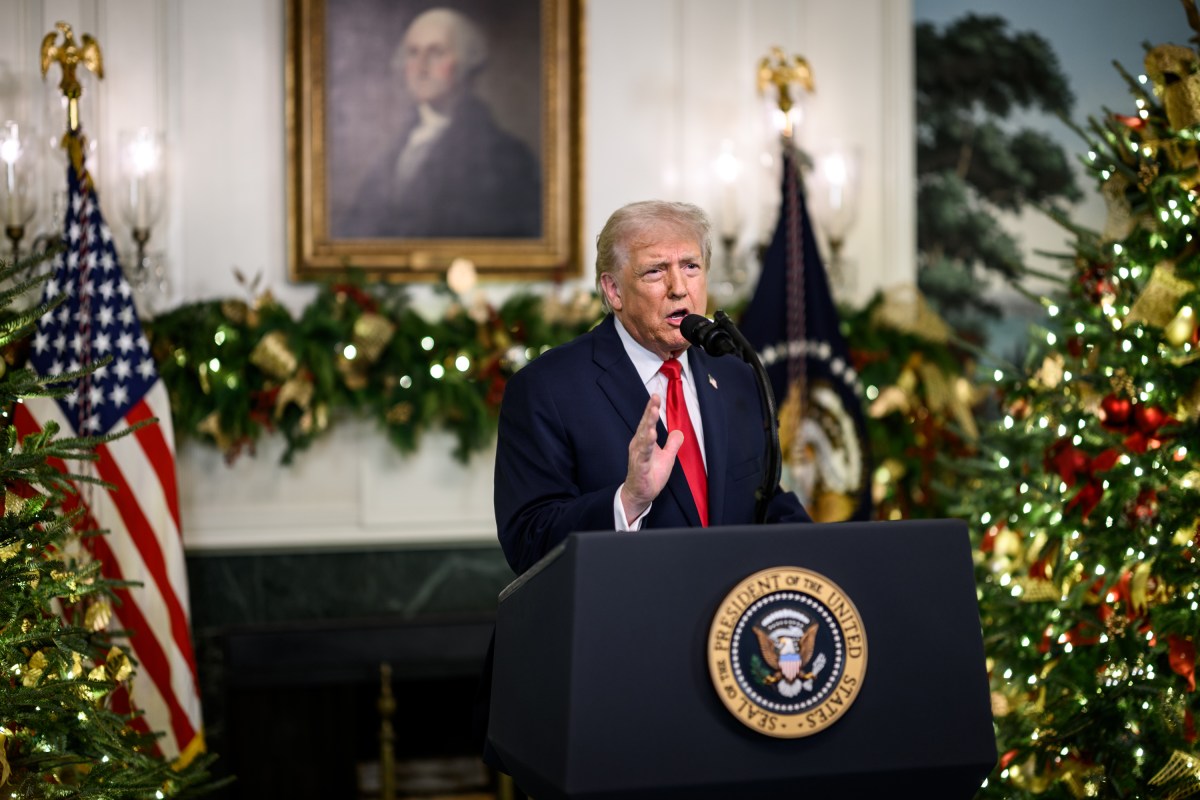
A war sold publicly as a push to degrade Iran’s military capacity is easier to bracket than a war that appears to choose Iran’s next ruler. The second objective is broader, harder to negotiate away and more alarming to the Gulf governments and European allies that have spent days trying to keep the conflict from spilling further into shipping lanes, oil markets and regional politics. President Donald Trump’s stop-start diplomacy begins to read less like a search for an off-ramp and more like an attempt to manage escalation around a political end state.
NPR reported that Trump said he had called off a planned attack after Gulf allies appealed for more time. Bloomberg reported that Saudi Arabia and other Persian Gulf states urged restraint. At the same time, the Financial Times reported that Trump was still giving Iran two or three days to move toward a deal. Military pressure paired with a short diplomatic fuse was already making the cease-fire fragile. A reported plan to install Ahmadinejad deepens the fragility: it tells mediators the war’s logic may extend beyond deterrence.
The public language has pointed in the same direction, even if less explicitly. In a BBC report, Trump said the clock was ticking for Iran as talks stalled.
“clock is ticking”
— Donald Trump, via BBC News
From military campaign to political project
The Ahmadinejad plan matters less for what it says about him than for what it says about how Israeli planners were defining success. Military campaigns aimed at coercion or degradation concentrate on command networks, launch capacity and the costs imposed on the other side. An operation that is already gaming out which politician should emerge afterward has crossed into political engineering.
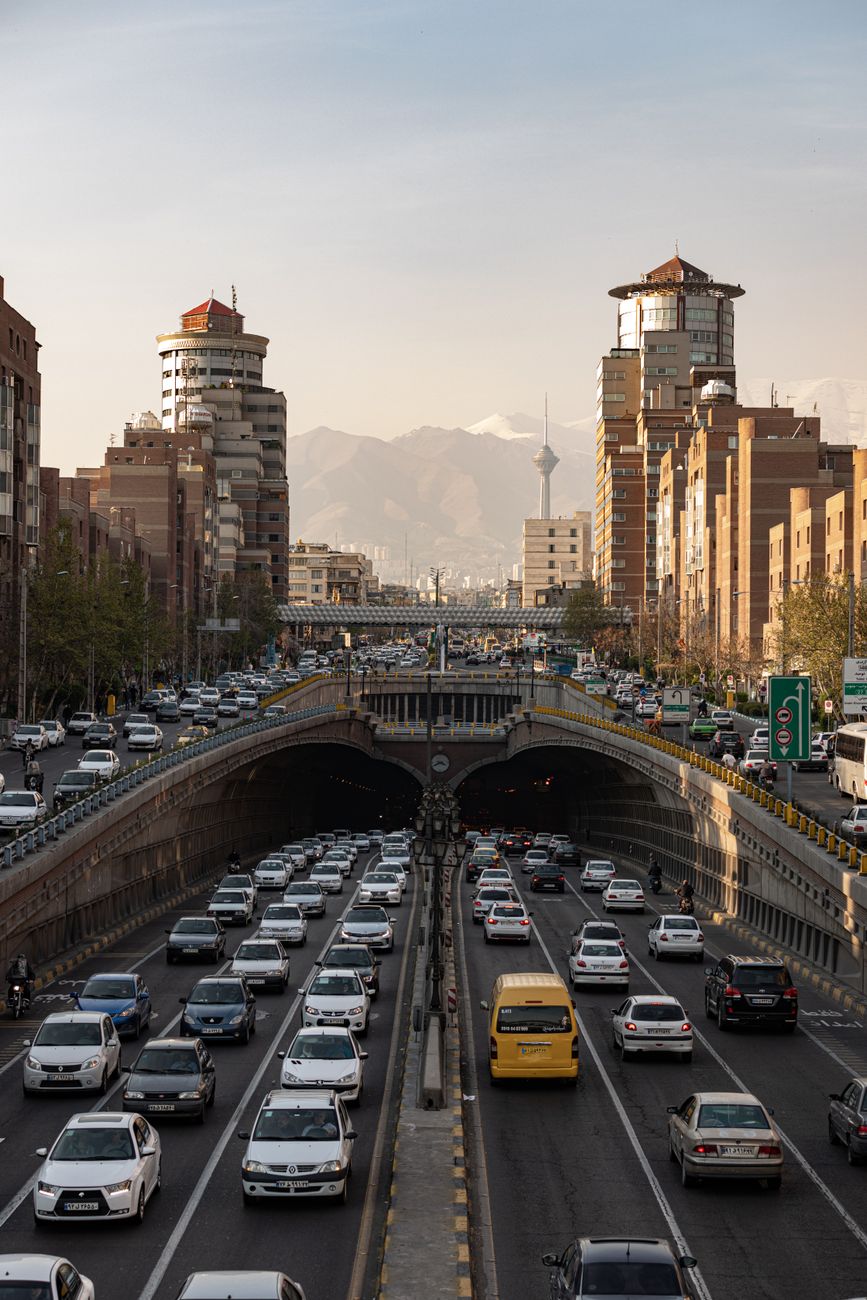
The Times report presents an insider’s framing: the war was not only about what Iran could do. It was also about who might be left standing if the bombing reshaped the balance inside the Islamic Republic. Trump’s own phrase, from the Times account, was that power might pass to “someone from within.” The phrase sounded neat. Behind it was an assumption that outside force could prune Iran’s political field and still leave a governing figure acceptable to parts of the security state, the street and foreign capitals. History offers few reasons to treat that as a safe assumption.
The skeptic’s objection is older than this war. Air campaigns can shatter chains of command, but they rarely deliver orderly political succession. More often they harden the surviving core, widen the field for factional score-settling, or leave outside powers claiming a political outcome they cannot enforce. In Iran’s case the risk is sharper: any figure seen as arriving through Israeli design would begin under the stain of external sponsorship. Ahmadinejad himself is not a neutral technocrat but a hard-line former president whose return would sharpen internal rivalries, not settle them.
Ahmadinejad is a revealing choice for another reason. He is not the face of a liberal transition that outside backers could plausibly market as a stabilising alternative. He is a nationalist hard-liner with his own history of confrontation with the West and deep ties to an earlier era of Iranian populism. The reported calculation was not about democratisation. War planners appear to have wanted a figure who could fracture the current order, claim populist legitimacy and still be used to rearrange power in Tehran. That is a different objective from a limited strike campaign, and a more combustible one.
The Ahmadinejad detail reframes the public record. A narrow military campaign can still leave room for a bargain over missiles, sanctions or shipping. A campaign shadowed by succession planning tells Tehran that concessions on those files may not satisfy its adversaries if the underlying goal is political remaking. Even a temporary pause in attacks becomes harder to read as a credible off-ramp when the strategic horizon includes regime change by coercion.
Why allies hear escalation risk
For Gulf governments and European officials, the regime-change implication lands first as a risk calculation. If Israel and the United States are seen pressing beyond military rollback and toward leadership engineering, Iran has stronger incentive to prove that the economic and regional costs can no longer be contained inside its borders. The shipping question has returned to the center of diplomacy for precisely this reason.

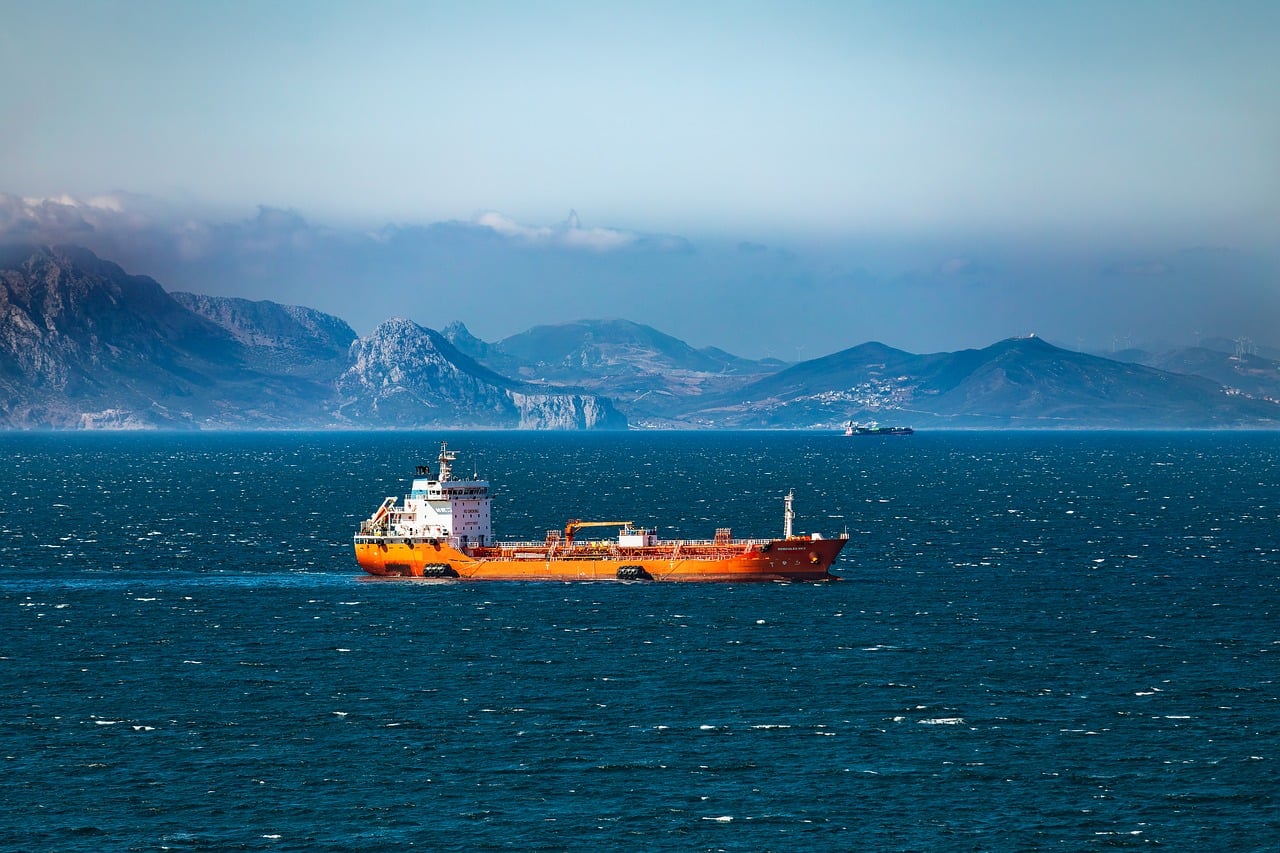
The BBC reported that about 20 per cent of the world’s oil and liquefied natural gas moves through the Strait of Hormuz. NPR reported that U.S. Central Command has already redirected 85 commercial vessels. The Financial Times reported that Iran has launched almost 3,000 drones and missiles against Gulf states since the war began. These are not background details. They are the mechanism by which a war over leadership in Tehran becomes a broader problem for energy importers, insurers, shippers and Arab governments that want neither an empowered Iran nor an open-ended regional war.
Trump has kept the pressure public even while describing diplomacy as possible. In Guardian World’s report, he warned that further strikes remained on the table.
“We may have to give them another big hit.”
— Donald Trump, via Guardian World
The threat may be intended as leverage. With the Ahmadinejad claim in view, it reads less like bargaining noise and more like evidence that the campaign’s political ceiling has always been higher than the White House has wanted to say out loud.
Mediators can work with opposing demands over enrichment caps, inspections or shipping access because those demands can, in theory, be traded. They cannot easily broker a compromise over who should rule in Tehran. The more the war looks like an attempt to reorder Iran’s leadership from outside, the less reason Iranian decision-makers have to believe that partial concessions will end it, and the more reason Gulf states have to keep pressing Washington to restrain the next strike cycle.
The reported Ahmadinejad plan may not have been operationally feasible, and it may not have remained the war’s central aim once fighting widened. What matters is that one of the earliest concepts on the table appears to have imagined a political outcome inside Iran, not simply a military one. Diplomats, markets and regional governments cannot ignore that part. If the war was seeded with regime-change thinking from the start, every new deadline, tanker diversion and cease-fire proposal has to be read against a harder question: whether the conflict can be de-escalated at all when one side began by trying to choose the other side’s next leader.

Yara Halabi
Foreign affairs correspondent covering the Middle East, the Gulf and US foreign policy. Reports from London.