Trump Iran war powers resolution advances in Senate
Trump Iran war powers resolution advanced in the Senate as four Republicans joined Democrats to challenge whether new strikes need Congress.
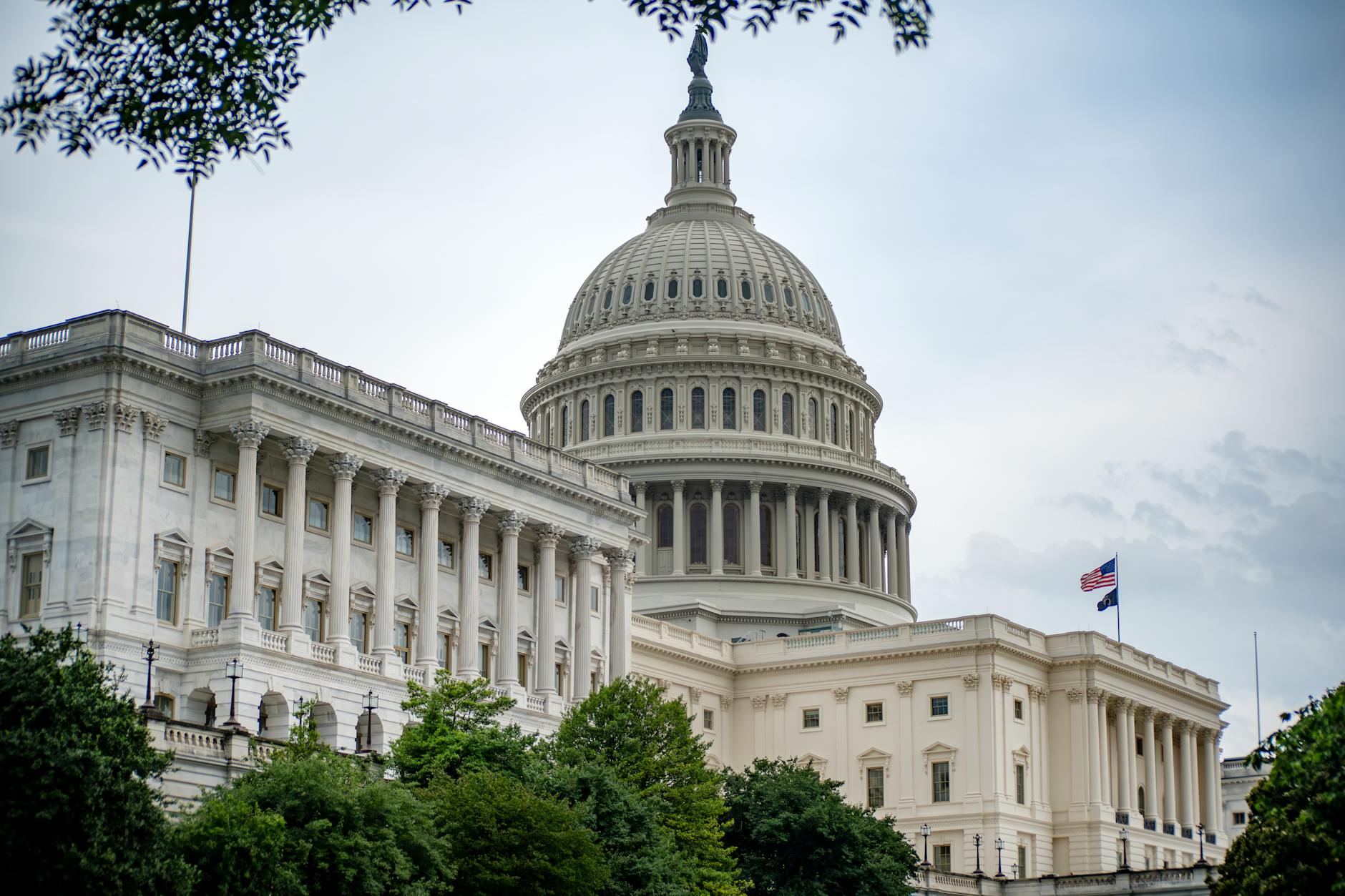
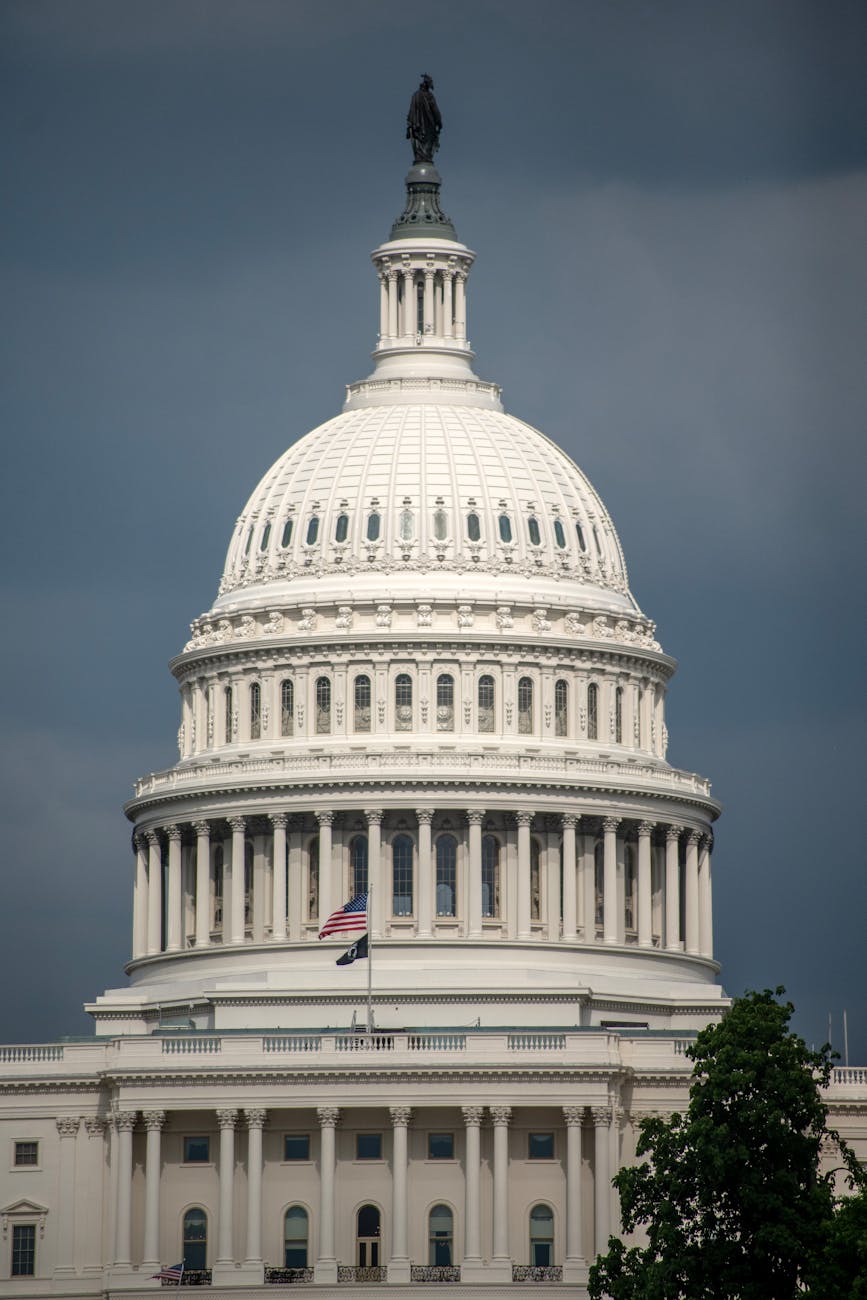
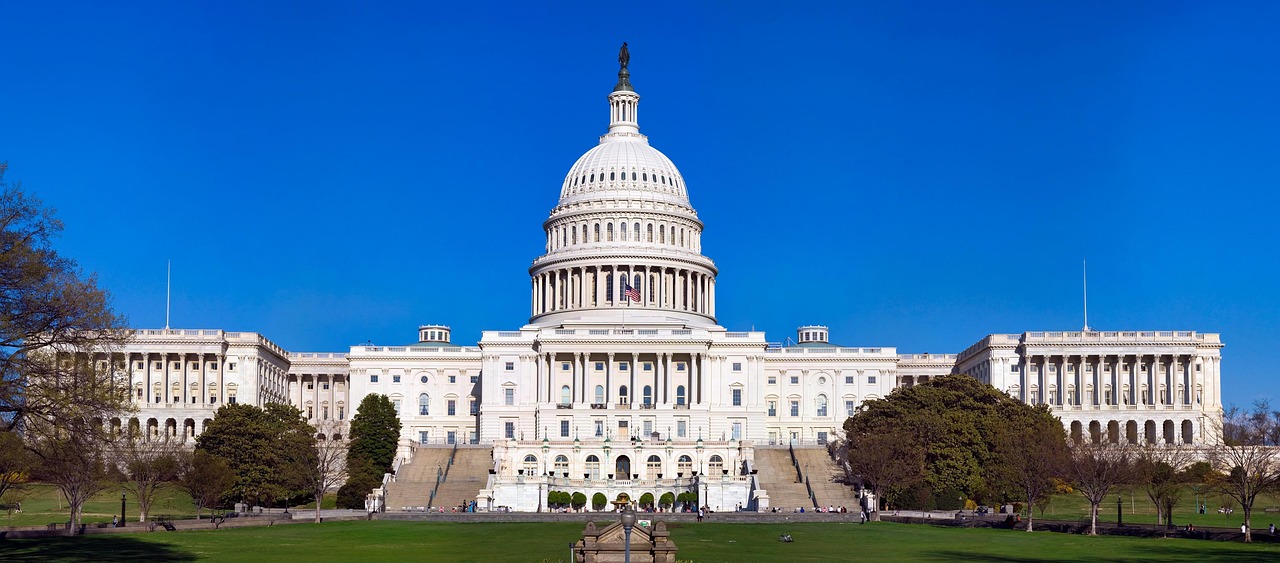
The Senate on Tuesday advanced a resolution to curb President Donald Trump’s war powers over Iran, forcing a direct confrontation with the White House over whether any further U.S. military action needs broader congressional approval. The 50-47 procedural vote — four Republicans joining Democrats, one Democrat opposing — pushed the chamber toward a rebuke of Trump’s handling of the conflict.
The vote turned a foreign-policy crisis into a separation-of-powers fight inside Washington. It landed hours after Trump said in separate remarks that the United States could strike Iran again even as he claimed Tehran wanted a deal. Lawmakers now face a live question: if the fighting widens, how much authority does the president actually have?
Senator Tim Kaine, the Virginia Democrat sponsoring the measure, has argued for weeks that Congress cannot leave the question open while the war grinds on. Republicans had blocked seven earlier attempts this year to force the same debate. Tuesday broke that pattern. A small but visible bloc of the party signaled it was no longer willing to leave the administration unchecked.
After the vote, Kaine said the pause in fighting was the right moment for lawmakers to weigh in.
“That’s the perfect time to have a discussion before we start up war again.”
— Tim Kaine, Reuters
Kaine’s case is narrow. He is not asking the Senate to endorse Tehran’s terms or Trump’s diplomacy. He is asking senators to state plainly whether another round of offensive action requires their approval. That question has grown harder for Republicans to dodge. The conflict is now in its 80th day, and Trump keeps warning that more strikes are not off the table.
Senator Bill Cassidy of Louisiana, one of the Republicans who backed the advance vote, framed his support as a complaint about secrecy as much as strategy. Speaking to The Guardian, Cassidy said Congress had been kept in the dark about the operation itself.
“While I support the administration’s efforts to dismantle Iran’s nuclear program, the White House and Pentagon have left Congress in the dark on Operation Epic Fury.”
— Bill Cassidy, The Guardian
The vote exposes Republican strain
Cassidy’s stance reflects the bargain many Republicans are negotiating internally. They have not broken with Trump on pressuring Iran, but some are less inclined to hand the administration open-ended room to escalate without a public case. The vote was not a Democratic protest alone — it passed only because four Republicans crossed the aisle.
That crossover matters. Republicans had blocked seven earlier attempts this year to force the same debate. The coalition remains small, but it is large enough to show that unease over Trump’s Iran authority has moved from private complaint to a recorded vote.
Democrats seized on the breach quickly. Senate Democratic leader Chuck Schumer told The Guardian that “vote by vote” his party was breaking through Republicans’ “wall of silence” on what he called Trump’s illegal war. Republicans who opposed the measure, however, have resisted the idea that Congress should place tighter limits on the president while military pressure on Iran continues.
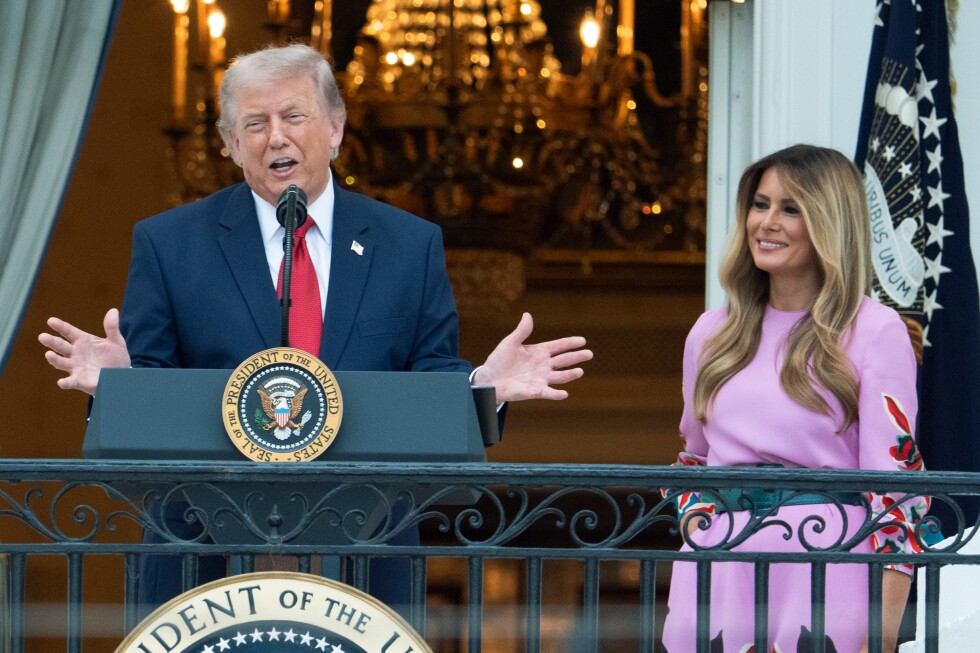
Trump’s own remarks kept the debate from becoming retrospective. His latest comments left the door open to new strikes while suggesting Tehran was seeking a deal — a reminder that senators were debating live presidential authority, not a closed chapter.
The resolution’s broader prospects remain uncertain. House Republicans recently rejected a similar bid to rein in Trump’s Iran authority, and Senate frustration does not guarantee a binding curb on the White House. But Tuesday’s vote forced the issue into the open. Lawmakers now have to answer whether Trump can order new strikes under his own power — or whether Congress gets a say first.
That question is what gives the Senate vote its force beyond parliamentary procedure. Republican unease has shifted from private criticism to a measurable break with the White House. If the administration keeps military options in play, Congress has signaled that the constitutional argument over who authorizes the next strike is no longer theoretical.

Ramona Castellanos
US politics correspondent covering Congress, primaries and the Trump administration. Reports from Washington.