House fails to curb Trump Iran war powers in 212-212 tie
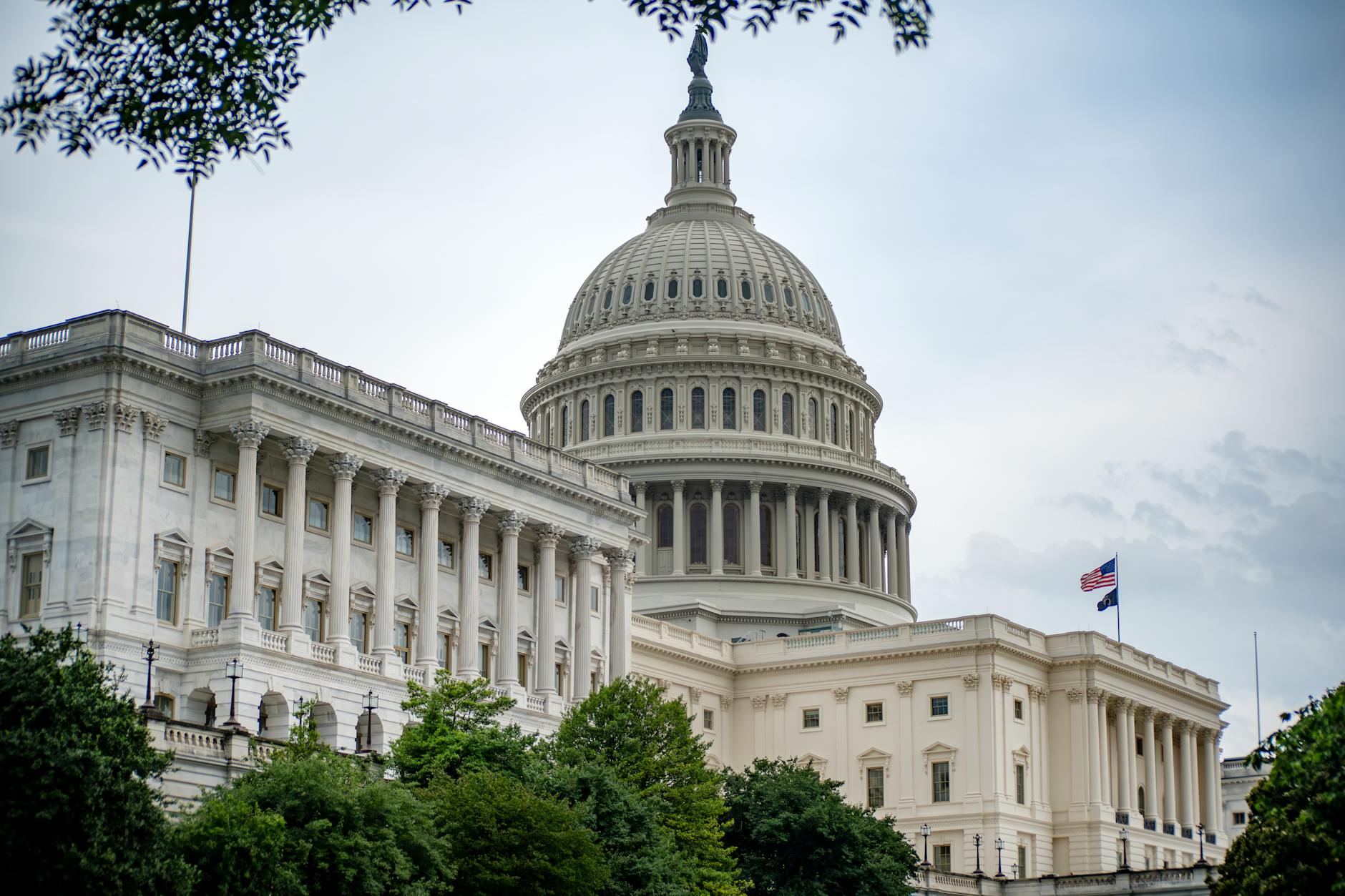
A third attempt by House Democrats to limit President Trump's authority to wage war against Iran ended in a 212-212 tie on Wednesday, leaving the administration's military campaign without a congressional check.
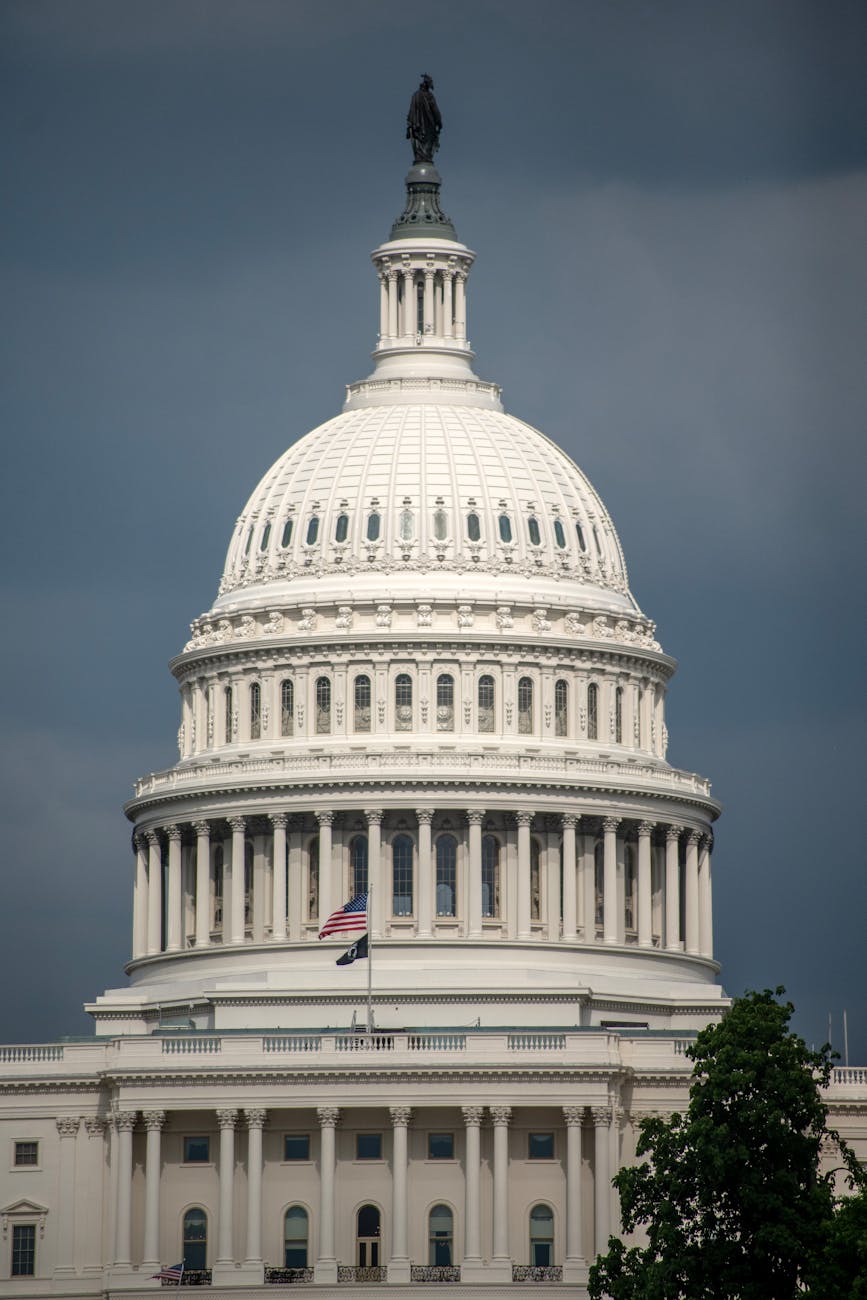
The House of Representatives voted 212-212 on Wednesday, failing for a third time to pass a resolution that would have reined in President Donald Trump’s unilateral authority to wage war against Iran.
The tie means the measure, introduced under the 1973 War Powers Act, fell a single vote short. One Democratic defection cancelled out the votes of three Republicans who crossed party lines. The administration’s months-long military campaign against Tehran remains unchecked by Congress.
The resolution would have directed the president to remove US armed forces from hostilities against Iran within 30 days unless Congress explicitly authorised the use of military force. It was the third such measure Rep. Josh Gottheimer has introduced since the administration began striking Iranian targets in late February, after Tehran accelerated its nuclear enrichment programme.
Gottheimer, the New Jersey Democrat who sponsored all three attempts, said he had pressed forward again because the White House had not adequately briefed lawmakers on the scope and objectives of the operation, CBS News reported.
“I didn’t want to have to bring this resolution to the floor,” Gottheimer said. “I had hoped that the administration would have changed course after I introduced it and properly briefed the Congress and the country.”
Three House Republicans crossed party lines to back the measure: Thomas Massie of Kentucky, Brian Fitzpatrick of Pennsylvania, and Tom Barrett of Michigan. Barrett, a freshman who served as an Army intelligence officer, introduced a separate authorisation for the use of military force alongside his vote, The Hill reported.
“Two things have been clear from the very beginning: Iran cannot be allowed to develop a nuclear weapon and the United States of America cannot be dragged into another endless war,” Barrett said.
Barrett’s separate AUMF would explicitly approve operations to prevent Iran from obtaining a nuclear weapon while imposing a two-year sunset on the authority. It was designed to bridge the divide between the administration’s position and the war powers resolution he supported.
Rep. Jared Golden of Maine was the lone Democrat to oppose the resolution. A centrist who represents a district Trump carried in 2024, Golden has previously split with his party on national security votes. His office did not immediately comment.
The administration’s Iran campaign has drawn criticism from both parties over its scope and the absence of clear objectives. Strikes have hit missile sites, enrichment facilities, and command centres across Iran since late February, according to US officials cited by the Times. The Pentagon has not disclosed casualty figures. The White House has declined to provide a classified briefing to the full Congress on the operation’s parameters.
The House result came one day after the Senate voted 50-49 on a parallel war powers resolution, with Senator John Fetterman of Pennsylvania casting the deciding vote against it. Tuesday’s tally marked the seventh failed Senate attempt since 28 February.
Fetterman has moved steadily rightward on foreign policy since entering the chamber. He stood alone among Senate Democrats in opposing the measure, while Senators Lisa Murkowski of Alaska and Susan Collins of Maine joined all 47 other Democrats in support, producing the 50-49 split.
Murkowski, who flipped to support the resolution after opposing earlier versions, said the politics around the issue had changed.
“We’re in a different place than we were last time we voted on this,” Murkowski said.
Republican Senator Rand Paul of Kentucky has voted for every war powers resolution in the series. His support, alongside Collins and Murkowski, was not enough to overcome unified GOP opposition and Fetterman’s defection.
Including the House and Senate tallies, Congress has now rejected 10 attempts to assert its constitutional war powers since the Iran campaign escalated in late February, according to a New York Times analysis. The White House has argued the strikes are covered by the president’s Article II powers as commander-in-chief and by existing force authorisations from 2001 and 2002. It has not sought a new, Iran-specific AUMF.
The repeated failures highlight a tension within the Republican Party. A party that has traditionally demanded congressional authorisation for military action under Democratic presidents has largely deferred to Trump’s executive authority on Iran. Only Massie, Fitzpatrick, and Barrett have broken ranks in the House. Murkowski and Collins have done so intermittently in the Senate.
Progressive Democrats signalled they would keep forcing votes. “We will keep holding Republicans in Congress accountable for as long as they enable this reckless, illegal war,” said Rep. Greg Casar of Texas.
Senator Tim Kaine, a Virginia Democrat who has led the Senate push, predicted the pressure would eventually break.
“There will be a day, and it might be soon, I believe, where this Senate will say to the president, ‘stop this war,’” Kaine told CBS News. “I believe that day is coming.”
The War Powers Act of 1973 allows Congress to direct the president to remove armed forces from hostilities through a concurrent resolution, which does not require a presidential signature. No president has ever been bound by such a resolution, and the Supreme Court has not ruled definitively on the law’s constitutionality.

Ramona Castellanos
US politics correspondent covering Congress, primaries and the Trump administration. Reports from Washington.