Iran suspends talks after Israeli strikes in Lebanon
Iran suspends talks after Israeli strikes in Lebanon, complicating Trump's ceasefire push and raising pressure on Hormuz.
Iran suspended indirect talks on ending the war after Israeli attacks in Lebanon, adding a fresh rupture to the diplomatic track President Donald Trump has tried to turn into a broader ceasefire deal with Tehran.
The decision, first reported by The Washington Post, moves the conflict back toward a military and economic test for Washington. It also gives Tehran a stated reason to leave the talks just as Trump is pressing Israel, Hezbollah and Iran to keep separate ceasefire efforts from widening into a regional war.
Foreign Minister Abbas Araghchi tied the suspension to Israel’s actions in Lebanon. Tehran, he said, would not treat the fighting there as detached from the wider conflict.
“unequivocal violation of the ceasefire on one front is a violation of the ceasefire on all fronts”
Attribution: Abbas Araghchi, Iranian foreign minister, in remarks cited by The Guardian
The statement hardened Iran’s public position after several days in which U.S. officials had tried to shield the negotiating channel from events on the battlefield. Trump has described himself as the mediator who can halt the fighting and use a ceasefire to restart diplomacy over Iran. Tehran’s move makes Israeli operations in Lebanon part of the price of any talks with Washington.
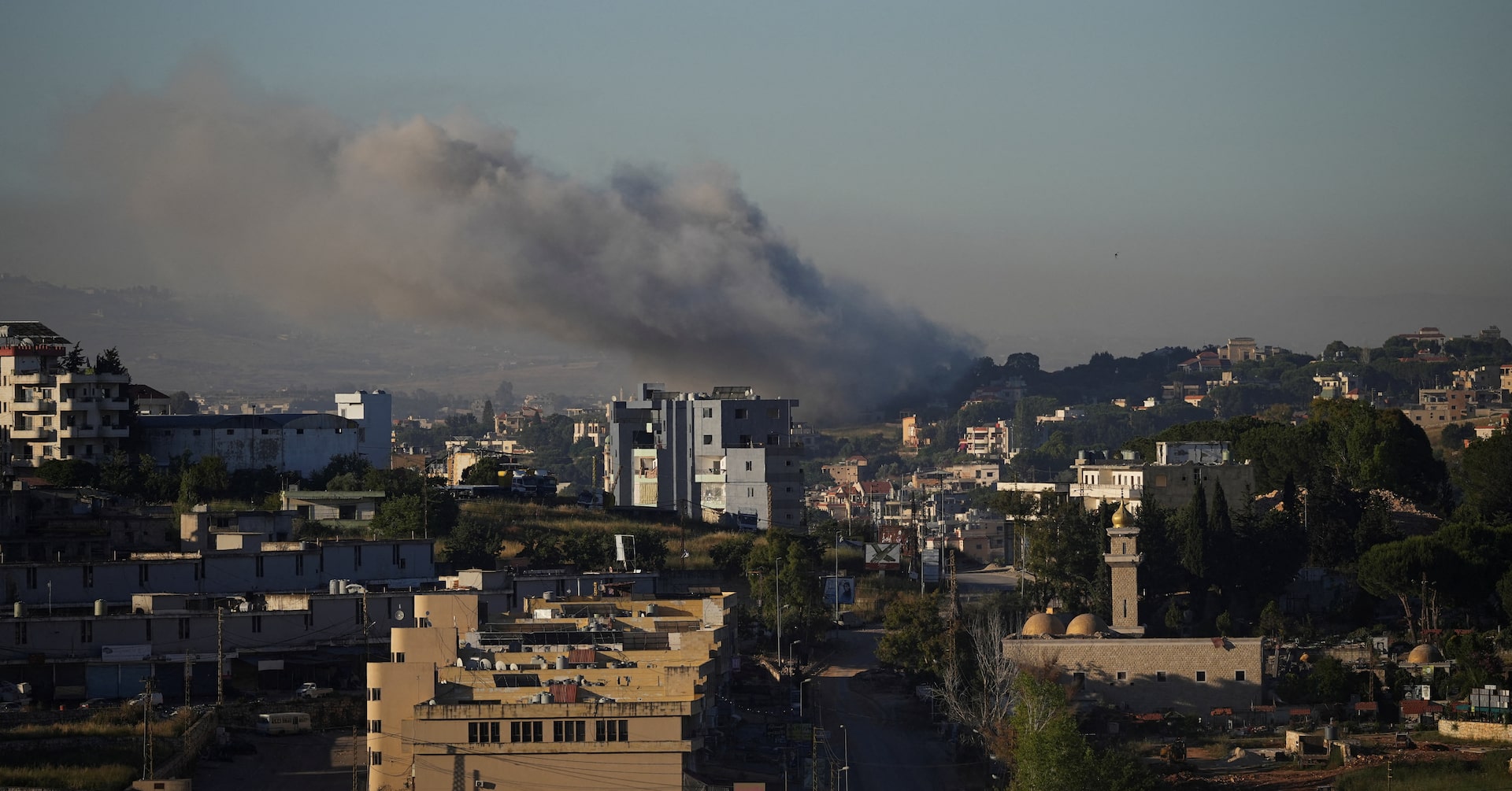
The Lebanon strikes were the immediate trigger. Hezbollah remains Iran’s most important non-state ally there, while Israel says its operations are aimed at Hezbollah targets. In Tehran’s account, continued strikes break the logic of a ceasefire and make talks with the United States untenable while Israel continues to act with U.S. backing.
Trump has offered little public reassurance to Tehran. Asked about the Iranian response after U.S. strikes and Iranian retaliation, he said he was not moved by Tehran’s warnings, according to Reuters.
“I really don’t care, I couldn’t care less”
Attribution: Donald Trump, U.S. president, according to Reuters
The language may strengthen Trump’s domestic claim that Washington is not being pushed around by Iran. It also risks weakening the diplomatic leverage he needs if Tehran concludes the talks are cover for continued Israeli and U.S. pressure.
Hormuz raises the stakes
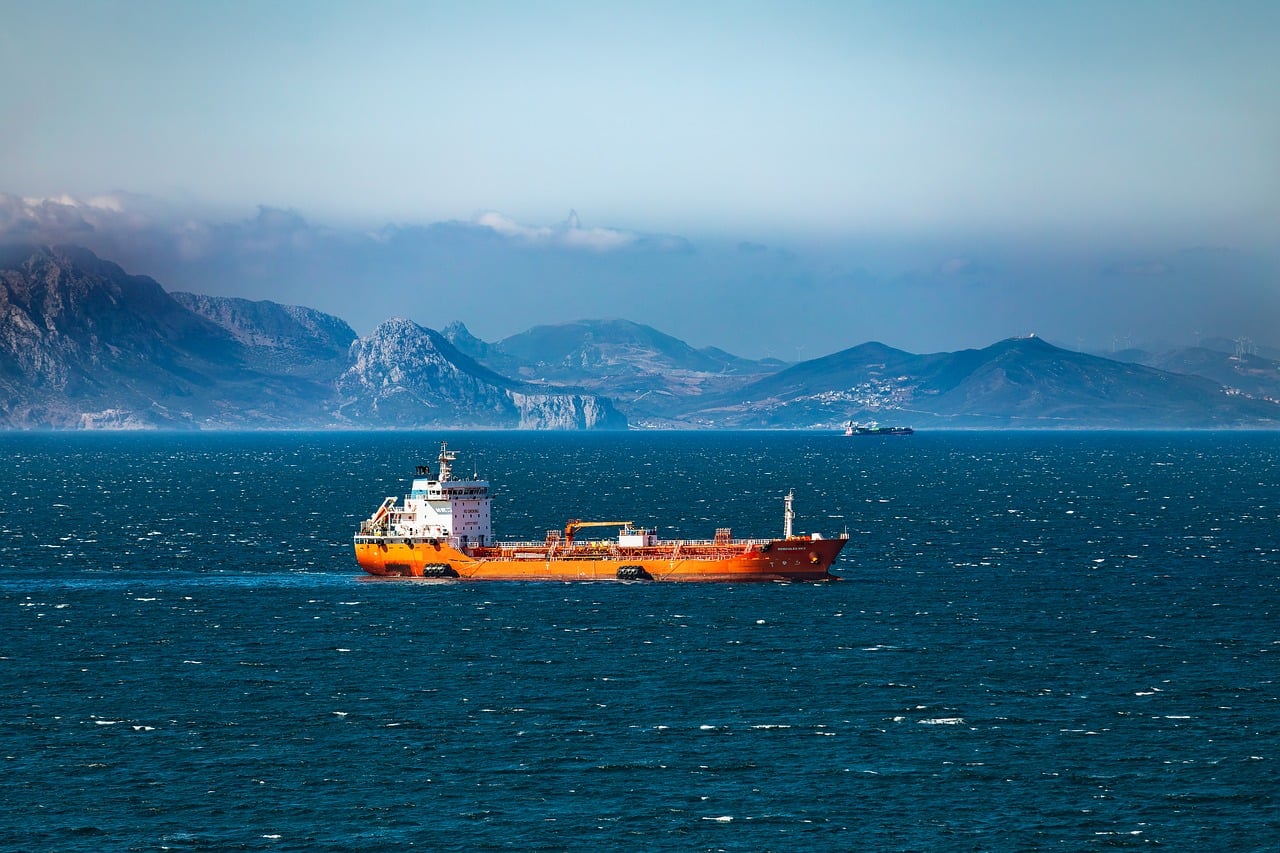
Tehran’s other pressure point is the Strait of Hormuz. The waterway is the Gulf’s main energy exit route, and Reuters reported that about one-fifth of the world’s oil and liquefied natural gas moved through the Gulf before the war.
CNBC reported that oil prices rose by more than 7 per cent after Iranian state-linked reporting raised the prospect of a blockade or disruption around Hormuz. Markets were reacting to a narrow risk: even a temporary interruption would hit shipping, insurance and energy prices before diplomats had time to repair the channel.
For Trump, the timing is awkward. A suspended negotiating track leaves the White House trying to restrain Israel, deter Iran and calm energy markets at the same time. Each aim depends on signals that can undercut the others. A harder military warning may reassure Israeli officials but push Tehran farther from talks. A softer appeal for restraint could invite criticism that Washington is giving Iran time to regroup.
Netanyahu faces a different calculation. Israel has treated Hezbollah’s position in Lebanon as an active front, rather than an issue to be deferred while Washington negotiates with Tehran. If Israel keeps striking, Iran can argue that talks cannot resume. If Israel slows its operations, Netanyahu risks domestic and military criticism that diplomacy is shielding Hezbollah.
The next test is whether intermediaries can reopen the indirect channel before the suspension becomes the new baseline. Iran has not said the talks are permanently dead. By linking Lebanon, Israel and the U.S. channel, Araghchi has raised the cost of returning to the table. The ceasefire story now turns on whether the region’s main actors still accept the same map of the conflict.

Yara Halabi
Foreign affairs correspondent covering the Middle East, the Gulf and US foreign policy. Reports from London.