Armenia election tests Pashinyan’s pivot from Russia
Armenia election voters are testing Nikol Pashinyan’s EU turn as Russia leans on trade, gas and security ties to pull Yerevan back.
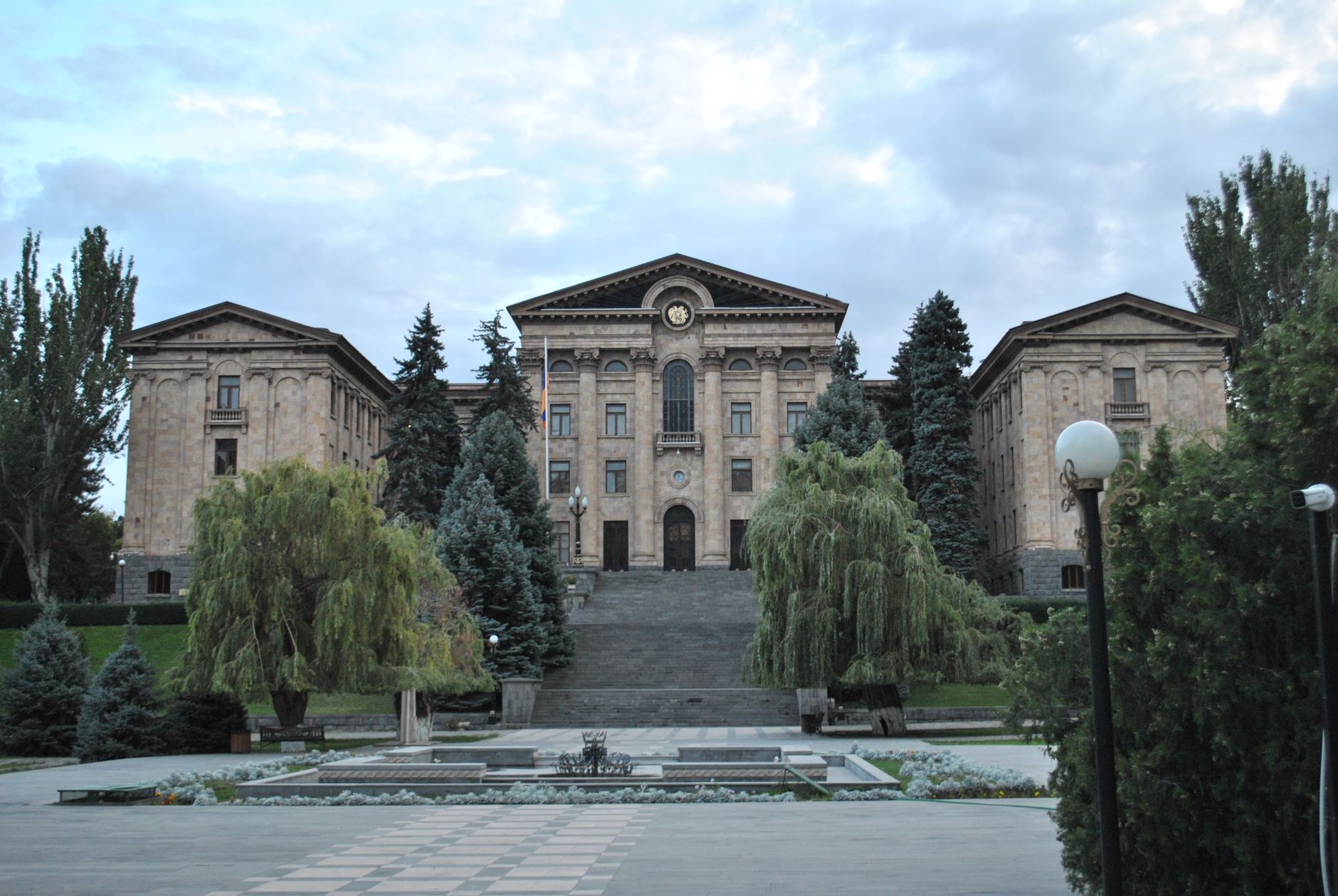
Armenians voted on Sunday in a parliamentary election that has become a test of Prime Minister Nikol Pashinyan’s drive to move the country closer to Europe while Russia presses to keep its hold over a former Soviet ally.
The vote, in a country of about 3 million people, follows years of strain between Yerevan and Moscow. Many Armenians blame Russia for failing to respond forcefully during security crises in Nagorno-Karabakh. A BBC News report on the election said Pashinyan’s support has fallen from 54 per cent in 2021 to about 30 per cent, leaving him exposed as he asks voters to back a foreign-policy shift the Kremlin has warned against.
The ballot reaches beyond control of parliament. It asks whether Armenia can widen its links with the European Union while remaining inside Russian-led economic structures long enough to avoid a sudden break. Moscow has treated EU expansion near its borders as a direct challenge, leaving Yerevan little room for error.
Pashinyan has presented the shift as gradual. He says Armenia is not making an immediate break with Moscow-led institutions, even as his government pursues formal steps toward closer alignment with Europe.
“We will continue to work within the EAEU until the choice between its current membership and the EU becomes unavoidable”
Nikol Pashinyan, BBC News
Russian pressure was visible before the polls opened. The BBC report cited Russia’s 36 per cent share of Armenia’s foreign trade in 2025 and its gas price of $177.50 per 1,000 cubic metres. Those figures show why Moscow still has economic reach even as Yerevan looks for new diplomatic and military partners.
Moscow’s pressure points
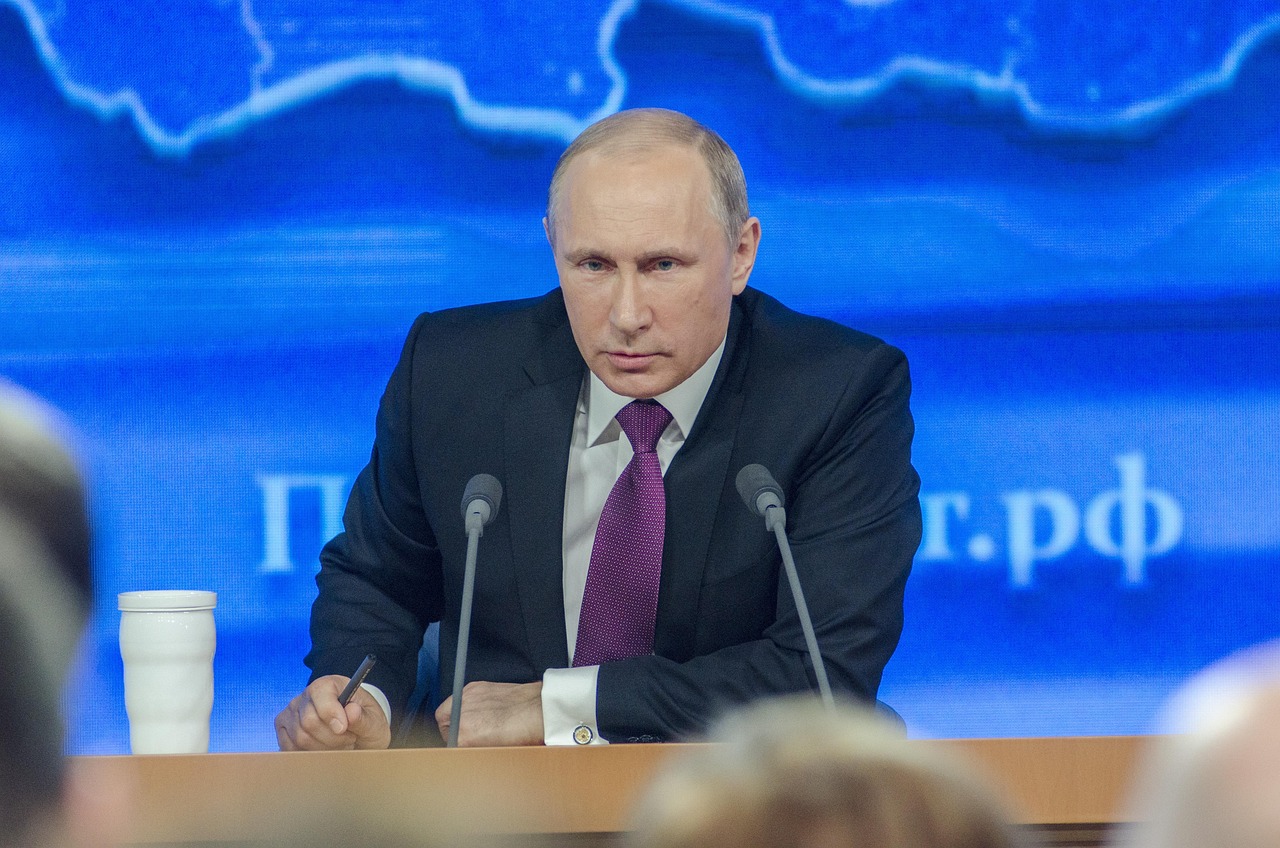
Russia has cast Armenia’s EU-facing turn as destabilising. President Vladimir Putin invoked Ukraine as a warning, according to the same BBC account, saying that “the crisis in Ukraine began with efforts to move toward EU accession.” The comparison sharpened the stakes and signalled that the Kremlin sees Armenia’s vote as more than a domestic contest.
“The only way Russia can impact Armenia now is economic”
Haykaz Fanyan, BBC News
That economic channel matters. Russia remains a large trade partner, a key energy supplier and a familiar destination for Armenian workers and businesses. Pressure on trade, gas or migration would be felt quickly in a small economy still carrying the political aftershocks of the Nagorno-Karabakh years.
Armenia has been diversifying its security relationships. The BBC cited figures showing that 95 per cent of Armenia’s military imports now come from India, France, China and other suppliers, a sharp reversal from the period when Russia dominated the country’s arsenal. The new mix does not erase Moscow’s influence, but it shows how far Yerevan has moved to reduce dependence on one guarantor.
A France 24 election-day account also described the vote as a test of Pashinyan’s turn away from Russia. A Washington Post analysis placed the contest in a wider power struggle involving Putin, U.S. President Donald Trump and Europe, with Armenia seeking guarantees beyond the Russian security umbrella that once defined its foreign policy.
For voters, the immediate question is whether Pashinyan’s ruling party can survive the costs of that shift. Supporters say Russia failed to protect Armenia when it mattered and that Europe offers a more durable political horizon. Critics say the government is risking economic retaliation without a clear guarantee that Brussels or Washington can replace Moscow’s role.
The campaign has exposed the limits of Armenia’s room for manoeuvre. Pashinyan can point to a broader range of military suppliers and a clearer European track. He still has to manage Russian gas, trade and political pressure while persuading voters that the risks are worth taking.
The result will not settle Armenia’s foreign policy in one night. It will show whether Pashinyan still has the political authority to keep moving toward Europe, or whether Russian pressure and domestic fatigue have narrowed that path before it reaches a decisive choice.

Anya Voronova
Eastern Europe correspondent covering the war in Ukraine, Russia and the Caucasus. Reports from Warsaw.