Putin discusses Iran war with UAE president as Russia seeks diplomatic role
Putin discussed the Iran conflict with UAE President Sheikh Mohamed bin Zayed Al Nahyan in a phone call on May 16, as Moscow sought a visible diplomatic role in the crisis and Gulf states calibrated their positions amid Washington's war diplomacy.
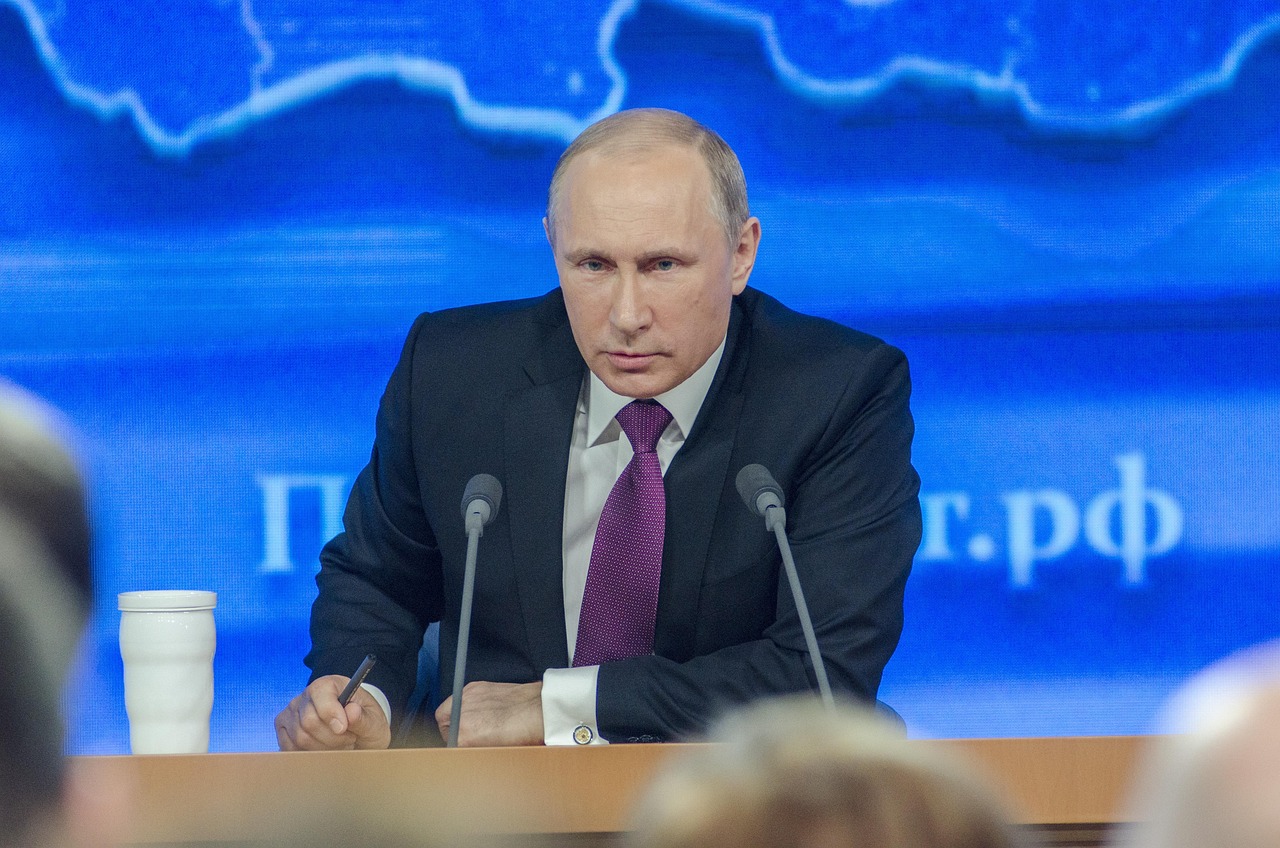
Russian President Vladimir Putin discussed the Iran conflict with UAE President Sheikh Mohamed bin Zayed Al Nahyan in a phone call on 16 May, the Kremlin said, as Moscow worked to claim a role in the crisis diplomacy and Gulf states measured how far to align with Washington’s war campaign.
Both Moscow and Abu Dhabi confirmed the call on Saturday. It came as the US-led military campaign against Iran entered its second month and Gulf capitals weighed how closely to back Washington without inviting retaliation or upending energy markets. Putin’s outreach to a close American ally in the Gulf signalled that Russia means to keep a hand in any diplomatic track.
The Kremlin readout said the two leaders “emphasized the importance of continuing the political and diplomatic process aimed at reaching compromise-based peace agreements.” The Emirati state news agency WAM characterised the discussion as covering what it called:
Their serious implications for regional and international peace and security, as well as their impact on freedom of international navigation, energy security, and the global economy.
The two sides also noted the expansion of bilateral cooperation in political, trade and economic sectors, and agreed to maintain close bilateral relations, according to a Russian Foreign Ministry summary.
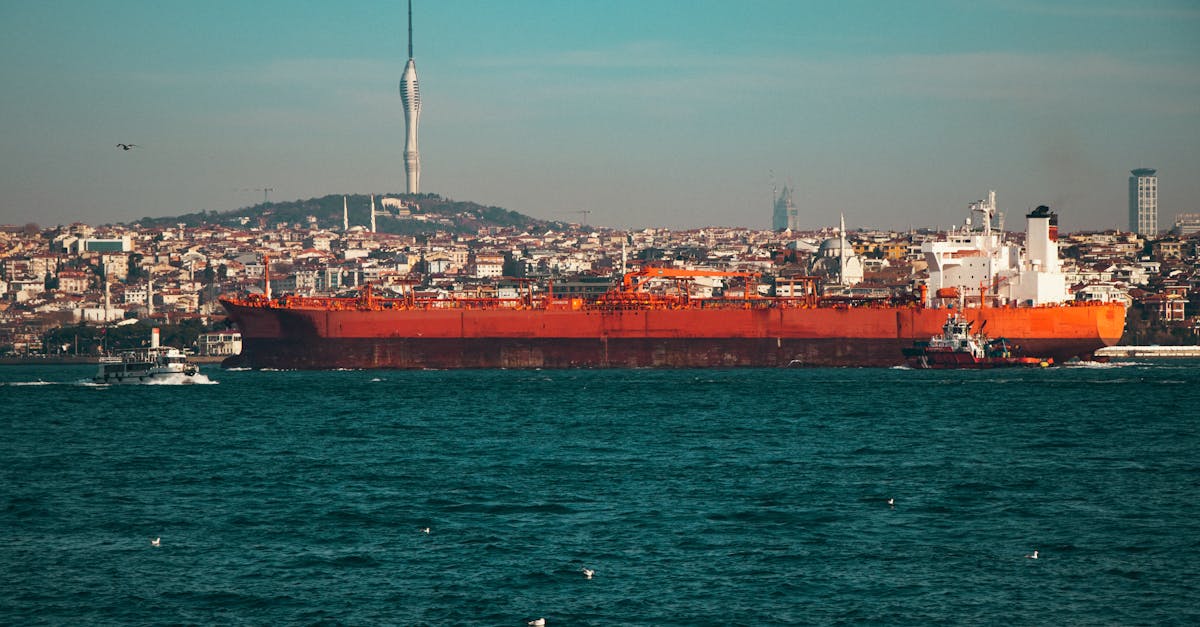
Military action has intensified across the region while the diplomacy plays out. US forces have struck Iranian positions repeatedly since April, and Iran-backed groups have targeted shipping in the Strait of Hormuz. On Tuesday the UAE said a projectile that landed on its territory originated from Iraqi territory, where Iran backs groups accused of launching attacks on Gulf nations. The IRGC warned this week that any resumption of US strikes risked a war “beyond the region.”
The call came amid a rush of great-power diplomacy around the crisis. Putin was preparing to travel to China for talks with Xi Jinping, days after the Chinese president hosted Donald Trump in Beijing. Trump said after that meeting that Xi agreed Iran must not be allowed to close the Strait of Hormuz — a position Beijing had previously resisted stating publicly. Moscow’s parallel outreach to Abu Dhabi showed how many capitals were now on the move, with Russia and China each making clear they would not leave the diplomatic field to Washington alone.
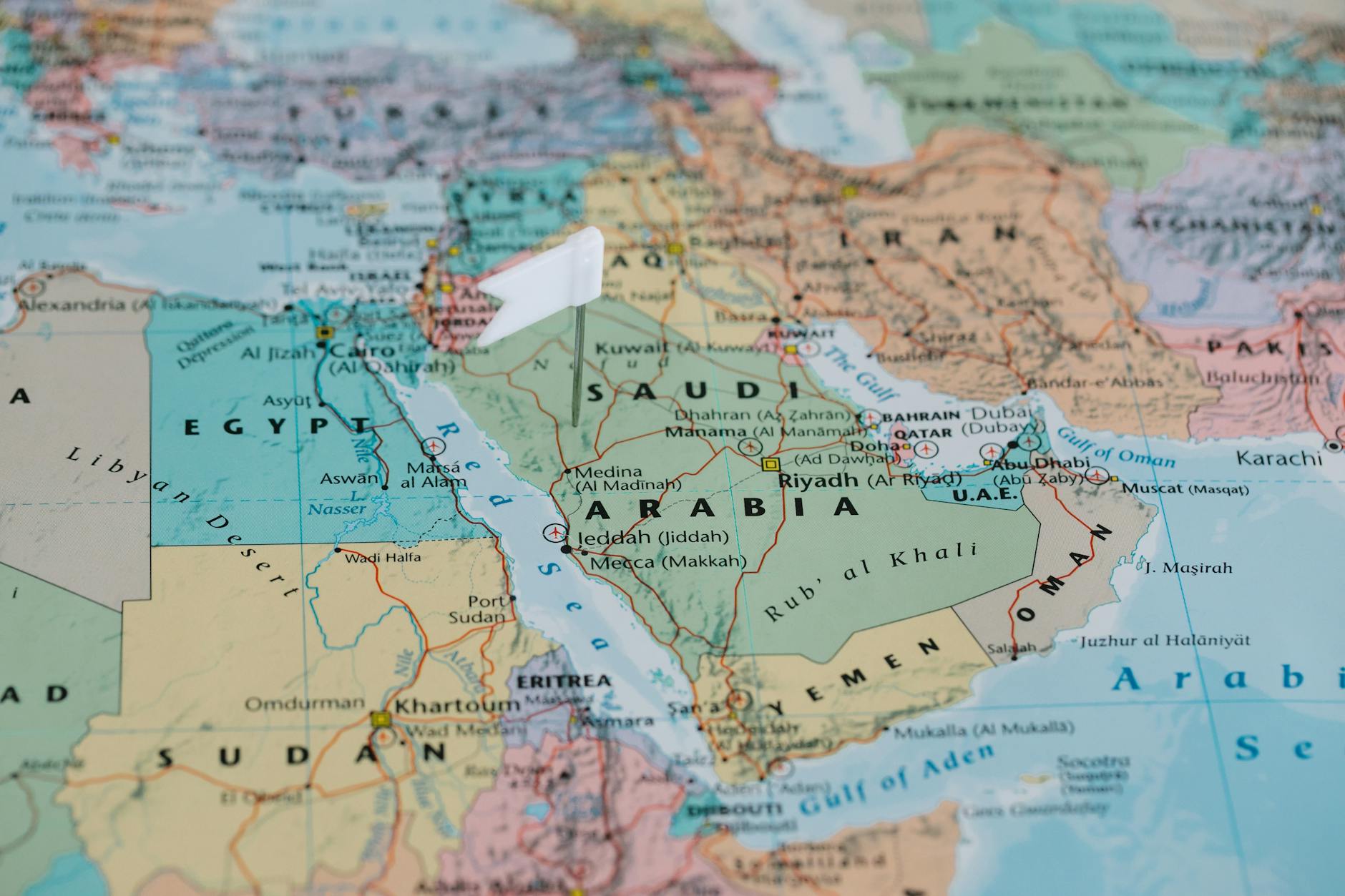
The UAE has been one of Washington’s closest security partners in the Gulf but has grown wary of being pulled into a conflict whose economic costs would fall heaviest on the region. Gulf states depend on the Strait of Hormuz for the bulk of their oil exports; any prolonged disruption would hit their economies even as global prices rose. Anwar Gargash, the UAE presidential adviser, has argued publicly that the Abraham Accords framework should be used to manage regional crises, signalling that Abu Dhabi regards diplomacy, not further military escalation, as the durable path.
A fifth of the world’s oil passes through the Strait of Hormuz. Even the threat of disruption has pushed Brent crude above $90 a barrel in recent weeks, and European markets have been unsettled, with the G7 weighing coordinated measures to protect shipping lanes. For Gulf producers, the bind is acute: they need the strait to stay open, but they also host the US military assets that would be among the first targets of any Iranian retaliation.
The Kremlin gave no indication that Putin had secured commitments from the UAE or that Moscow was formally mediating between Washington and Tehran. But the readout’s emphasis on “compromise-based peace agreements” — language Russia has used in other conflicts where it cast itself as the party no negotiation could do without — made plain that Moscow expects a seat at any table that forms.

Yara Halabi
Foreign affairs correspondent covering the Middle East, the Gulf and US foreign policy. Reports from London.