Putin faces darker mood at home as war drags on
Putin's position in Russia is under new strain as internet curbs, inflation and elite drift turn a distant war into a daily cost.
Vladimir Putin entered Russia’s latest escalation in Ukraine with a new domestic problem: the war is becoming harder for ordinary Russians to ignore. The Guardian reported on Saturday that frustration is spreading from Moscow’s business class to urban internet users as blackouts, higher taxes and inflation erode the bargain that let many Russians tune out the fighting so long as daily life stayed manageable.
This does not make the Kremlin look close to collapse. It does suggest that the political buffer Putin relied on for much of the invasion is thinning. The more the war intrudes into phones, prices and family routines, the less credible the official line becomes that Russia can keep pressing ahead militarily while insulating society from the cost.
The counterpoint is important. A Levada Center survey published this month still found 69 per cent of respondents backed Russia’s actions in Ukraine, and 62 per cent said Russia should move to peace talks. That is not a public revolt. It is a picture of a country still broadly compliant, but more tired, more pragmatic and less persuaded that indefinite escalation brings a clear payoff.
For the Kremlin, the Levada numbers matter more as a measure of elasticity than opposition. Russians may still tell pollsters they support the war and yet prefer negotiations because the object is no longer enthusiasm but relief. The state can work with apathy. It is less comfortable when apathy starts turning into questions about competence.
Politics in Putin’s system usually frays first at the top, not in the square. A Guardian interviewee described disappointment inside the elite in starker terms than has become normal in public reporting from Russia.
“There’s definitely been a shift in mood among the elites this year … there is profound disappointment in Putin.”
A well-connected business leader, via The Guardian
Its timing matters because Russia is pushing the war in the opposite direction. Reuters reported that Moscow used an Oreshnik missile in one of the conflict’s biggest recent attacks on Kyiv, underscoring that Putin is still trying to impose battlefield shock even as analysts question how much strategic room he really has left.
The social contract frays
The most immediate pressure point is not ideology. It is inconvenience. For years, Putin’s system functioned on a grim but workable arrangement: the state monopolised politics, but most Russians could still navigate private life with relative predictability. According to the Guardian’s reporting, that arrangement is under strain as internet shutdowns and wartime security measures now disrupt ordinary urban life.
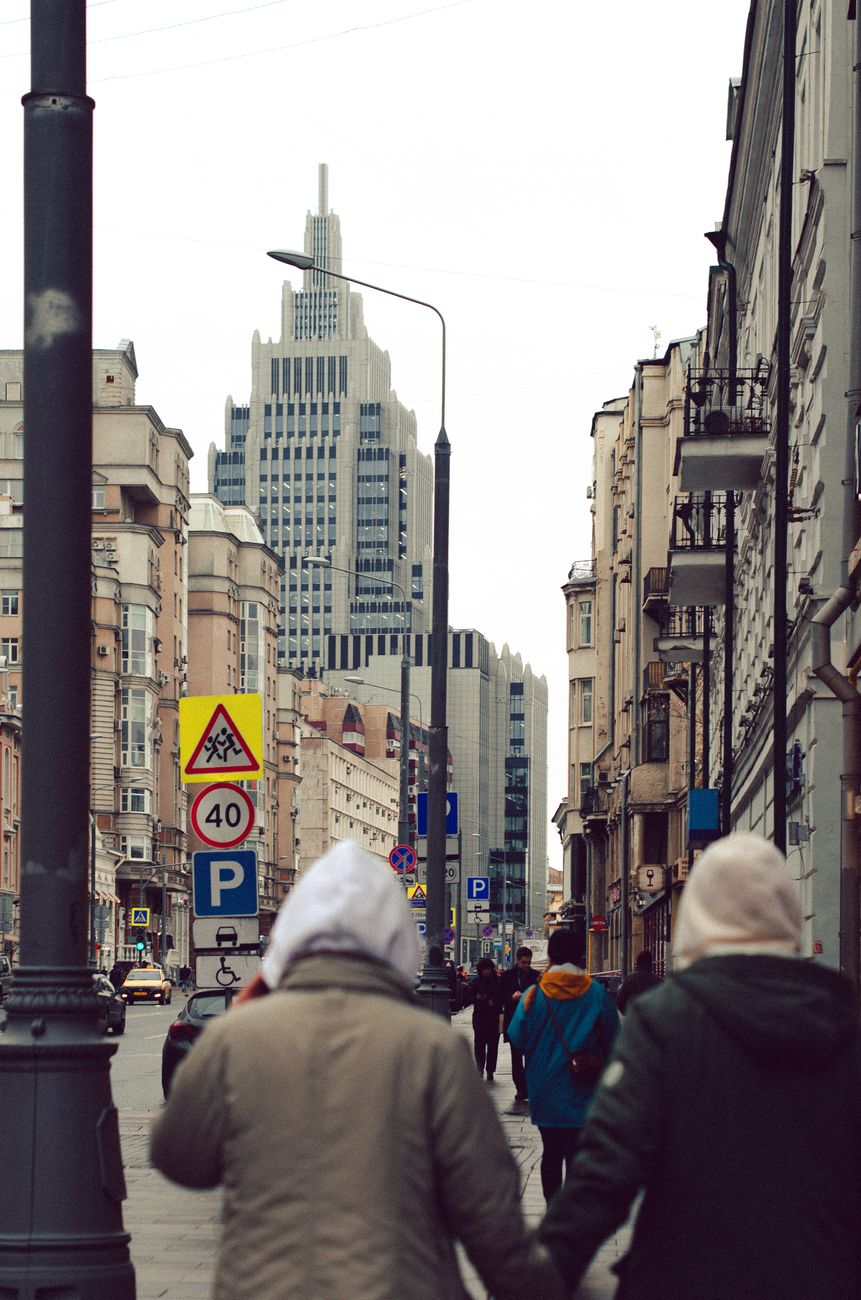
Ksenia Sobchak, a public figure who still reaches audiences the Kremlin cannot fully script, put the sensitivity of that shift plainly.
“The issue with the internet is a very sensitive one for Russian society. And it has sparked a huge wave of outrage.”
Ksenia Sobchak, via The Guardian
The significance of internet blackouts is political as much as technical. A Washington Post report earlier this month said Russians were growing angrier over internet restrictions, inflation and rising taxes, and were exhausted by the psychological weight of a war that had already stretched beyond 1,418 days, longer than the Soviet Union’s entire involvement in the Second World War. When blackouts hit before Victory Day commemorations, the state was not merely disrupting apps. It was reminding millions of citizens that the war now sets the terms of domestic life too.
Polling points in the same direction without proving a collapse in support. Levada said 62 per cent of respondents favoured peace negotiations, while Russia’s general happiness index fell to a 15-year low in April. The Kremlin can still point to patriotic backing for the war. What it cannot easily dismiss is the widening gap between headline support and the quieter evidence of fatigue. A population can accept the official rationale for the invasion and still resent the way it is eating into wages, connectivity and routine.
Pressure inside the system
If public frustration is the visible symptom, elite drift is the more consequential one. Street anger is easier for the Kremlin to police than disillusionment among people whose wealth, security and access all depend on the system continuing to look stable. That is why the business leader’s remark to the Guardian and the public criticism from former banker Oleg Tinkov deserve attention even if neither man represents a faction ready to move.
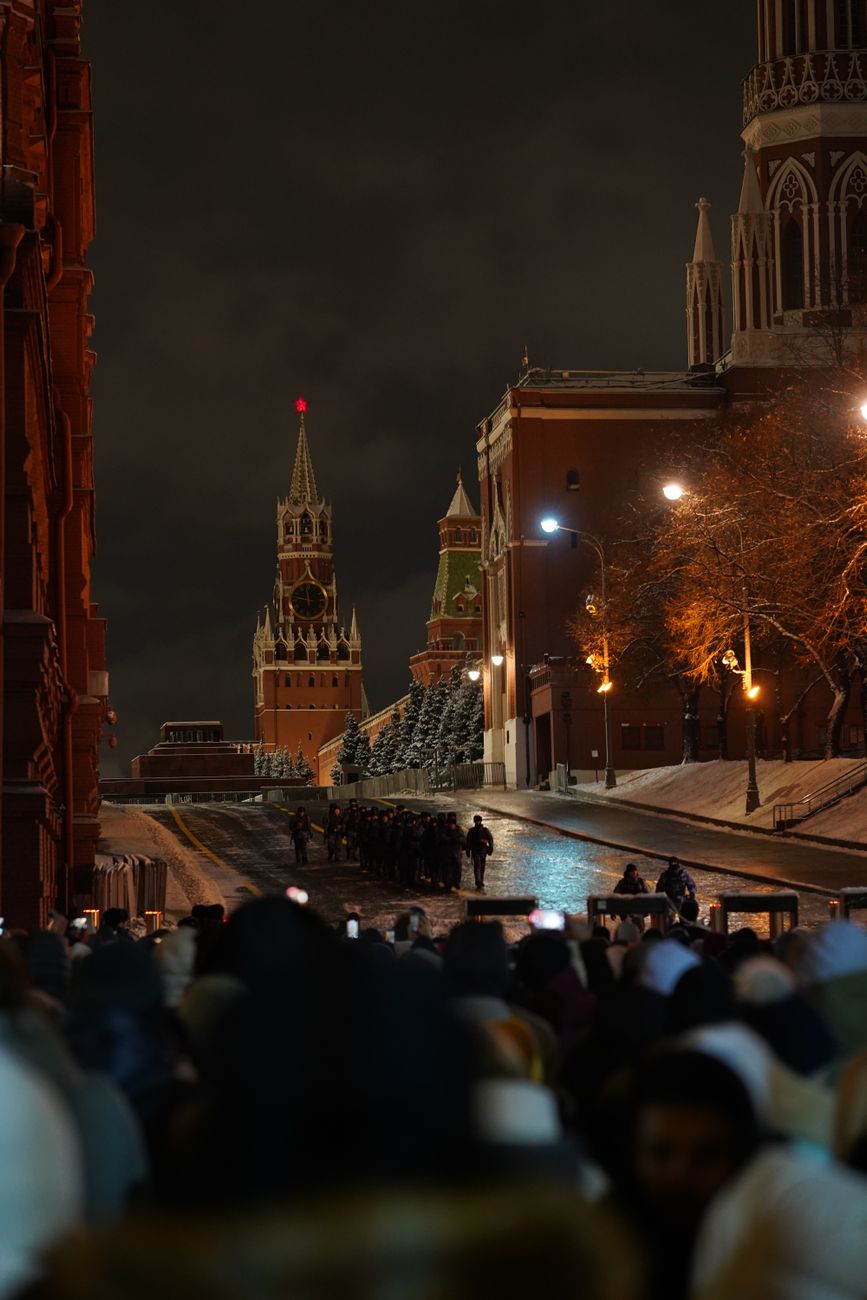
Tinkov’s metaphor captured the calculation inside Russia’s upper tier better than any poll can.
“The business elite are playing Russian roulette. They hope their neighbour gets hit while they are spared.”
Oleg Tinkov, via The Guardian
Elite doubt sounds small until it is placed inside an authoritarian system that depends on private obedience and public displays of certainty. A Carnegie Endowment analysis in April argued that Russia’s public mood was souring even as fear continued to suppress organised resistance. The combination matters. Fear can freeze action for a long time. It does not restore confidence, and it does not erase the accumulation of private doubt inside a governing class that can see the material cost of a prolonged war more clearly than the average citizen.
Recent signs of strain inside the apparatus have attracted attention out of proportion to their number for a reason. In a system built to keep collective action impossible, the political signal is rarely an organised bloc. It is hesitation, quiet complaint and the need for the centre to police its own insiders more visibly.
There is an external dimension to that erosion as well. Bloomberg argued this week that Putin’s relationship with Xi Jinping now advertises Russia’s dependence more than its strength. That does not mean China is abandoning Moscow. It means the optics of the partnership no longer disguise how much narrower Putin’s room for manoeuvre has become, especially if the war yields more attrition than breakthrough and even flagship diplomatic trips produce more ceremony than leverage.
More coercion, not peace
The risk of reading too much into this mood shift is obvious, and the Kremlin’s own behaviour is a warning against easy conclusions. Nothing in the recent reporting suggests Putin is preparing to trade maximalist aims for a settlement. The better reading is harsher: a more strained domestic environment may push the Russian system toward more coercion, not more compromise.
For the security bloc, that strain is a reason to tighten control, not relax it. As Carnegie and other analysts have noted, the state’s answer to discomfort has been tighter control over information flows, sharper pressure on dissent and a renewed insistence that security demands outrank convenience. Even Putin’s remark that the war might be "coming to a close" was read by the Washington Post’s sources less as a peace signal than as an attempt to calm a weary public while military operations continued.
The battlefield sequence reinforces that view. After the brief suggestion of closure, Russia returned to large strikes on Ukraine. Guardian and Reuters reporting on the latest barrage showed a Kremlin still convinced that escalation can change the psychological tempo of the war even if it does not change the strategic balance. Russia still occupies roughly 20 per cent of Ukrainian territory, according to the Guardian, and the leadership appears intent on holding that ground and pressing where it can.
Putin is left with a narrower, but still familiar, political problem. He does not yet face a country ready to force a reversal, and he still commands the coercive machinery needed to silence many critics. What has changed is the cost of pretending the war is compartmentalised. The more Russians feel the invasion in their phones, bills and expectations, and the more insiders describe disappointment rather than confidence, the more the Kremlin’s margin for error shrinks. For now, that is not a prelude to collapse. It is a sign that every new escalation abroad is carrying a heavier political charge at home.

Anya Voronova
Eastern Europe correspondent covering the war in Ukraine, Russia and the Caucasus. Reports from Warsaw.