Alabama redistricting ruling lets GOP map stand for 2026
Alabama redistricting ruling leaves a Republican-friendly House map in place for the 2026 midterms as Voting Rights Act fights narrow.
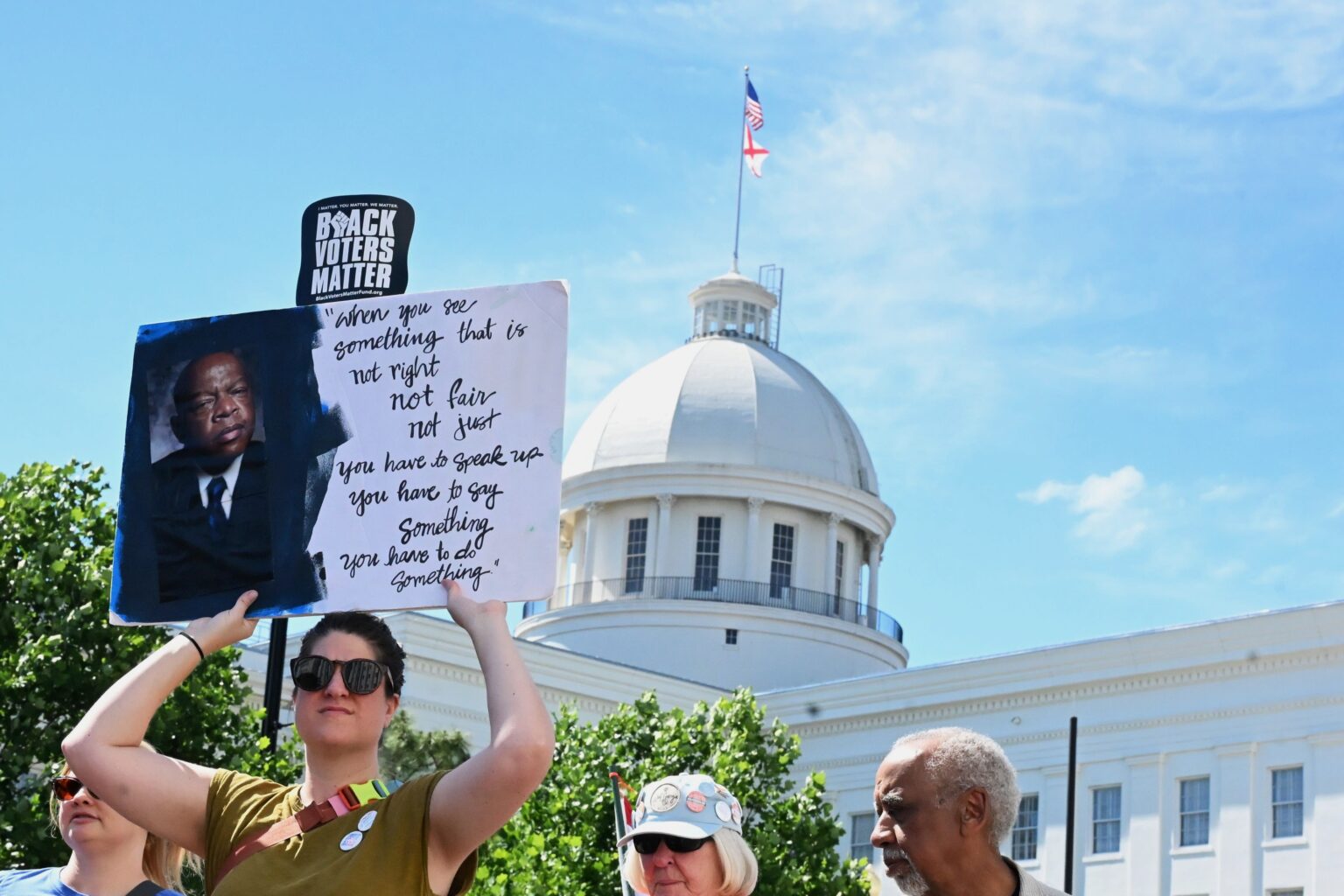
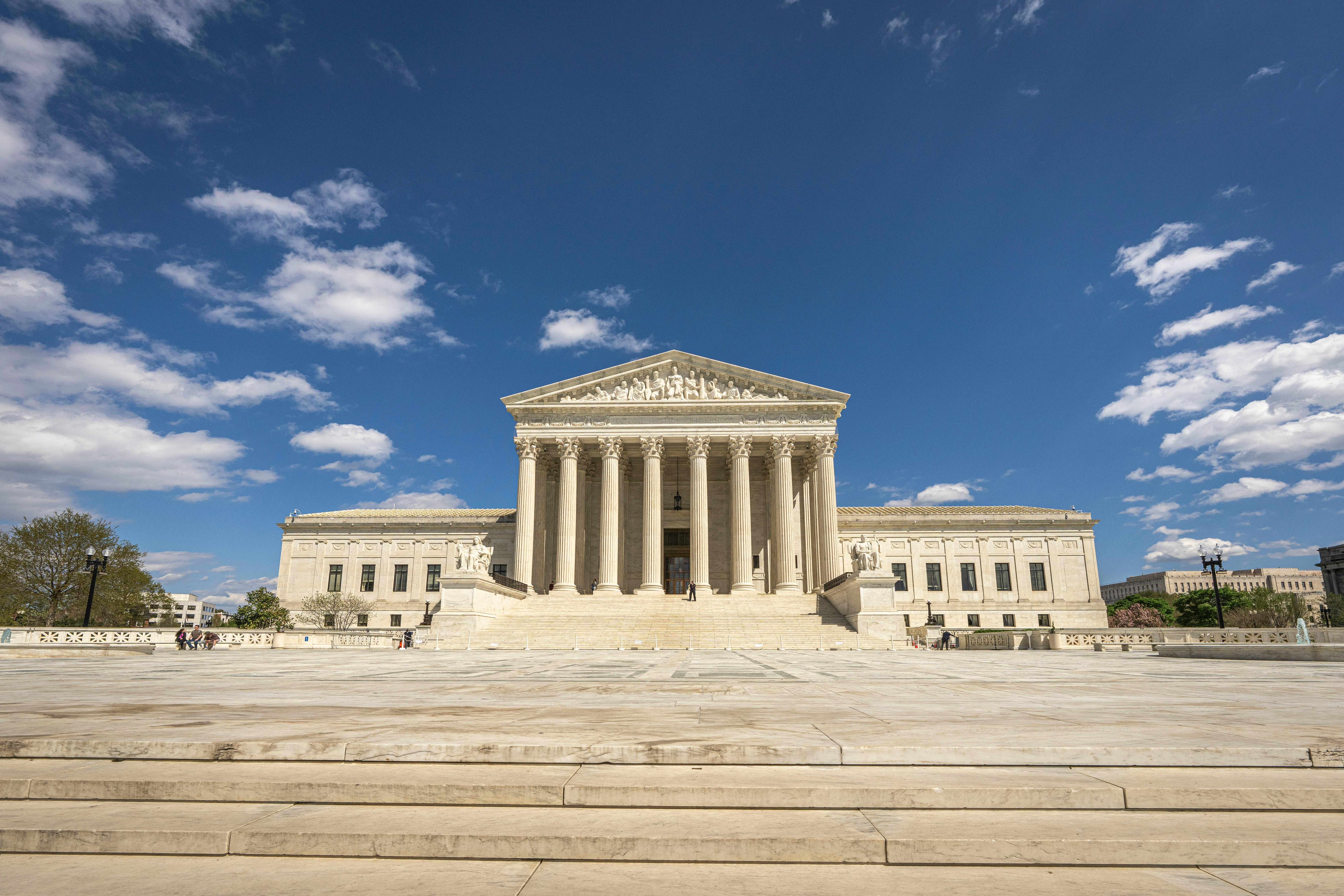
The Supreme Court allowed Alabama to use a Republican-friendly congressional map for the 2026 midterms, letting the state run House elections under district lines that voting-rights groups say dilute Black political power.
The order puts Alabama’s seven House races on a compressed calendar and gives an early read on how the court’s conservative majority may handle redistricting fights after Louisiana v. Callais narrowed the reach of the Voting Rights Act. Alabama has set special congressional primaries for August 11.
At issue is a map with one majority-Black district. A lower court had blocked the plan after finding that it intentionally discriminated against Black voters, who make up about 27 per cent of Alabama’s population. The state asked the justices to restore the lines for this year’s elections, arguing that the lower court order came too late to replace them before the campaign calendar began.
That timing now matters.
The Supreme Court’s intervention does not end the underlying litigation, but it fixes the rules for the election already taking shape. Republicans can defend a map expected to favor their candidates in a state where even one House seat could matter.
Justice Sonia Sotomayor dissented from the order, warning that the court had cleared the way for “a chaotic election, held under a never-before-used congressional map that intentionally discriminates against Black Alabamians,” according to the Associated Press account of the order.
Deuel Ross, a lawyer with the NAACP Legal Defense Fund, said the decision gave “cover to Alabama and others to deliberately and openly discriminate against Black voters without fear of any consequence.” Civil-rights groups said the ruling weakens one of the remaining federal checks on state mapmaking before the midterms.
Alabama officials cast the ruling as a confirmation that the state should control its own election map. Gov. Kay Ivey said the court had “confirmed what I have said all along and that is that Alabama knows our state, our people and our districts best,” the AP reported.
The midterm map fight
The Alabama dispute follows a broader shift in the court’s redistricting doctrine. In Louisiana v. Callais, the justices limited how far states may go in drawing majority-minority districts to satisfy the Voting Rights Act, a decision that has already prompted new filings and political recalculations elsewhere.
The emergency docket is the pressure point.
Disputes over district lines can decide which map voters see before the court reaches a final merits ruling. Once candidates qualify, donors commit and ballots are prepared under one set of lines, later changes become harder for judges to order without disrupting an election.
For Alabama, the immediate result is a race schedule built around the restored map. Elsewhere, the signal is that federal courts may be less willing to force late changes to congressional districts, even when lower courts find serious Voting Rights Act problems.
The ruling also sharpens the political stakes for both parties. Republicans are defending a narrow House majority, and Democrats have looked to redistricting lawsuits as one path to offset GOP advantages in Southern states. A map that leaves Alabama with only one majority-Black district reduces the chance of a second Democratic-leaning seat there.
The case now returns to the slower track of election-law litigation, where challengers can continue to press their discrimination claims. The 2026 election will proceed first, under lines the lower court said should not be used.

Eli Donovan
Supreme Court and legal affairs correspondent covering the federal judiciary and constitutional law. Reports from Washington.