Trump threatens Oman over Hormuz as Iran deal falters
Trump's threat to Oman over the Strait of Hormuz exposed conflicting US and Iranian accounts of a shipping deal and kept oil markets focused on the waterway.
President Donald Trump threatened Oman if Muscat moved ahead with Iran on any arrangement over the Strait of Hormuz, widening US pressure on talks over sanctions relief and shipping through the waterway.
The remark pulled Oman, a US ally that often mediates between Washington and Tehran, into a negotiation that had focused on restoring commercial traffic through the strait. Reuters reported that Iranian state television described a draft understanding under which shipping could resume through Hormuz within a month, but Trump said the wider deal remained unresolved.
Trump said “Nobody’s going to control” the strait because it is international waters, according to Reuters. The line sharpened the split between Tehran’s account of a possible reopening and Washington’s position that any change in Hormuz would still have to come inside a broader bargain.
He was blunter in comments carried by The New York Times, saying: “Oman will behave just like everybody else, or we’ll have to blow them up. They understand that. They’ll be fine.”
The White House line left the state of any agreement unclear. Reuters said the reported draft would reopen commercial traffic through the strait within a month if terms were settled, while Trump said the broader deal was still elusive. The clash also showed that a narrower shipping opening would not settle the larger argument over sanctions relief and who sets the terms in Hormuz.
Hormuz matters well beyond the talks because Gulf producers move a large share of seaborne crude through the route. That makes even tentative signs of progress, or a fresh dispute, meaningful for both diplomats and energy markets.
Shipping and market stakes
Oil prices fell more than 5 per cent after Iranian state television described the draft, then recovered about a fifth of the drop as traders weighed Trump’s rejection of any arrangement that would let Iran and Oman shape access to the channel, Reuters said. The moves showed how quickly developments around Hormuz can feed into crude pricing.
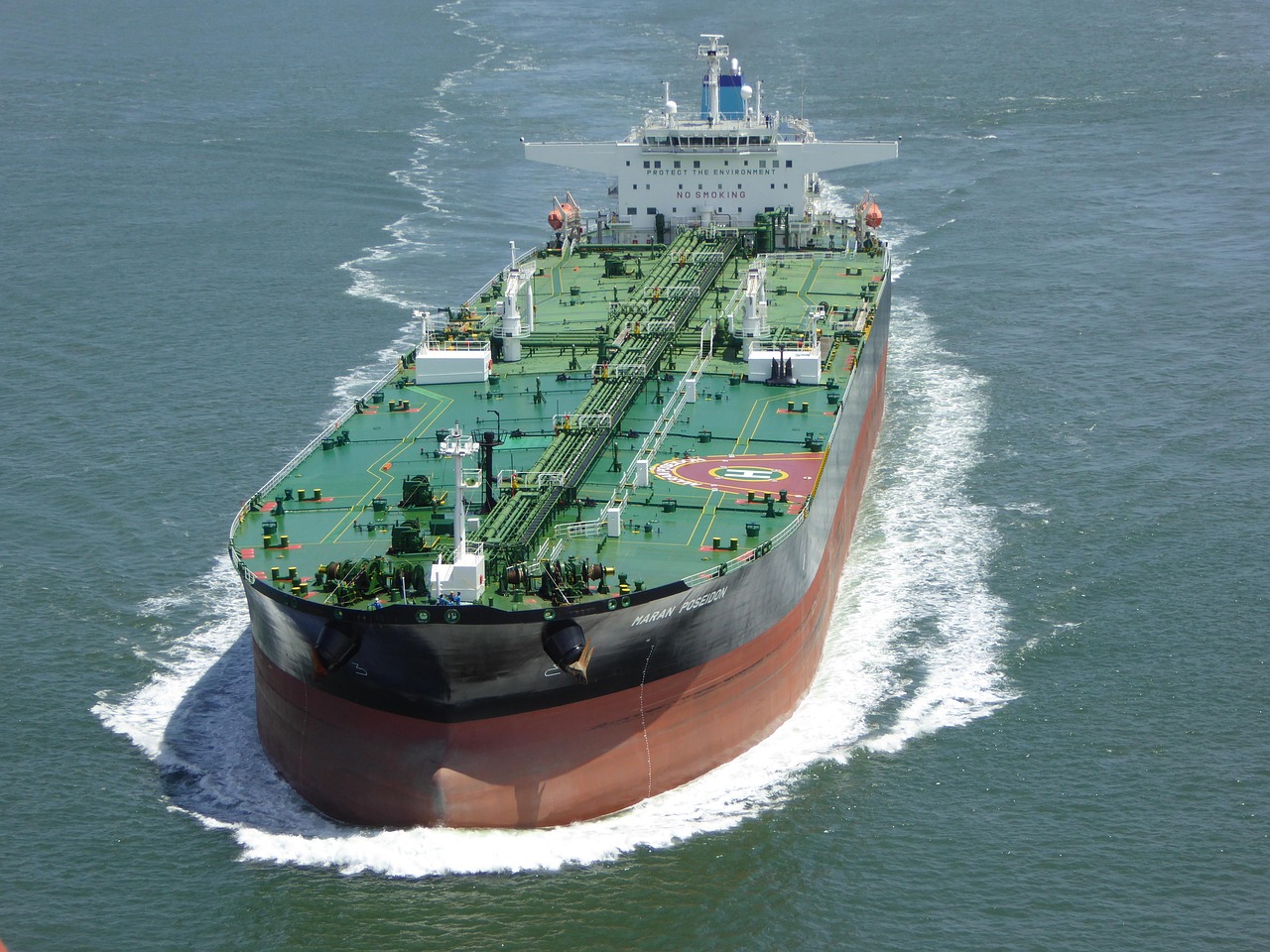
Traffic through the waterway also remained far below pre-conflict levels. Reuters cited Iran’s Guards Navy as saying 23 ships passed through Hormuz in the previous 24 hours, compared with 125 to 140 vessels a day before the conflict.
Those figures suggested that some movement had returned, but not anything close to normal volumes. Shipowners, insurers and energy buyers still had to price in political risk rather than assume a clean reopening. For tanker operators, the television report did not remove the legal or security uncertainty around the route.
Oman has long served as a quiet intermediary in regional diplomacy, which made Trump’s threat more than a passing outburst. By dragging Muscat into the dispute, he signalled that Washington wants any reopening of the strait to sit inside a wider settlement on US terms, not as a narrower maritime arrangement that Iran could present as a win.
That leaves tanker operators and Gulf producers waiting for more than the existence of a draft. A one-month reopening window would matter only if Washington, Tehran and Oman’s intermediaries can describe the same deal in public and enforce it in practice. That remains difficult while Washington and Tehran are still describing different endpoints.
For now, Trump’s remarks suggest the talks remain fragile, the strait remains a bargaining chip and the shipping market still has little reason to treat any timetable as settled.

Yara Halabi
Foreign affairs correspondent covering the Middle East, the Gulf and US foreign policy. Reports from London.