US-Iran peace deal finalised, announcement expected in hours
The US and Iran have reportedly finalised a peace deal with an announcement expected within hours, though gaps remain over uranium and Strait of Hormuz tolls.
The United States and Iran have finalised a peace deal, according to reports, with an announcement expected within hours. It would be the most significant diplomatic breakthrough since the war began nearly three months ago.
Al-Arabiya reported late Wednesday that the final draft of the agreement had been reached with Pakistani mediation, citing unconfirmed sources. The unverified report drove oil prices sharply lower and sent equity markets higher. Officials on both sides cautioned that gaps remain, particularly over Iran’s stockpile of highly enriched uranium and the future of the Strait of Hormuz. A senior US official told CNBC the President was “willing to wait” for a negotiated outcome but would not accept a deal that left Iran’s nuclear programme intact.
Ayatollah Mojtaba Khamenei, Iran’s Supreme Leader, has issued a directive that the country’s enriched uranium must stay inside Iran, two senior Iranian sources told The Asian Age. Iran is believed to hold roughly 200 kg of uranium enriched to 60 per cent at the Isfahan tunnel complex. Before the war, the International Atomic Energy Agency had pegged the stockpile at 440.9 kg. What happens to the remaining material is the hardest unresolved question in the talks.
The Supreme Leader’s directive, and the consensus within the establishment, is that the stockpile of enriched uranium should not leave the country.
— Senior Iranian source, The Asian Age
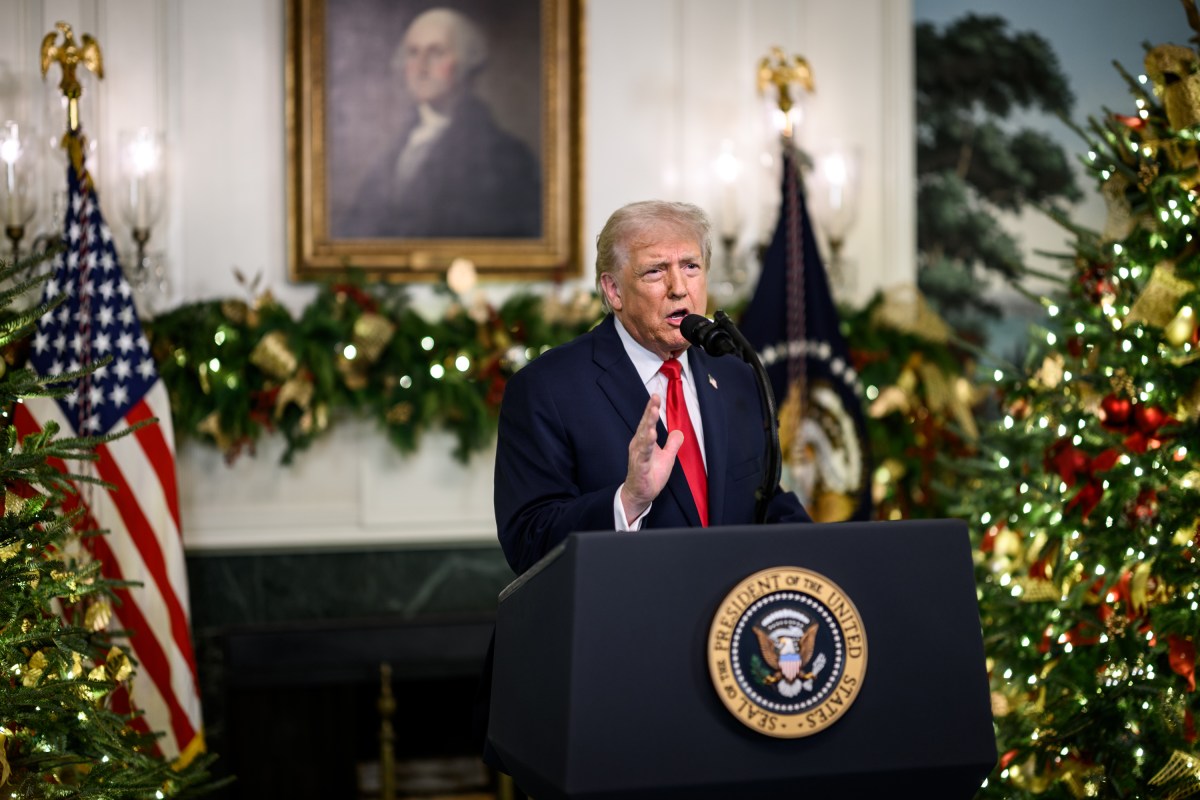
President Donald Trump has insisted the uranium must be surrendered. “Believe me, if we don’t get the right answers, it goes very quickly. We’re all ready to go,” Trump told reporters this week. The threat sat inside what was otherwise a conciliatory posture.
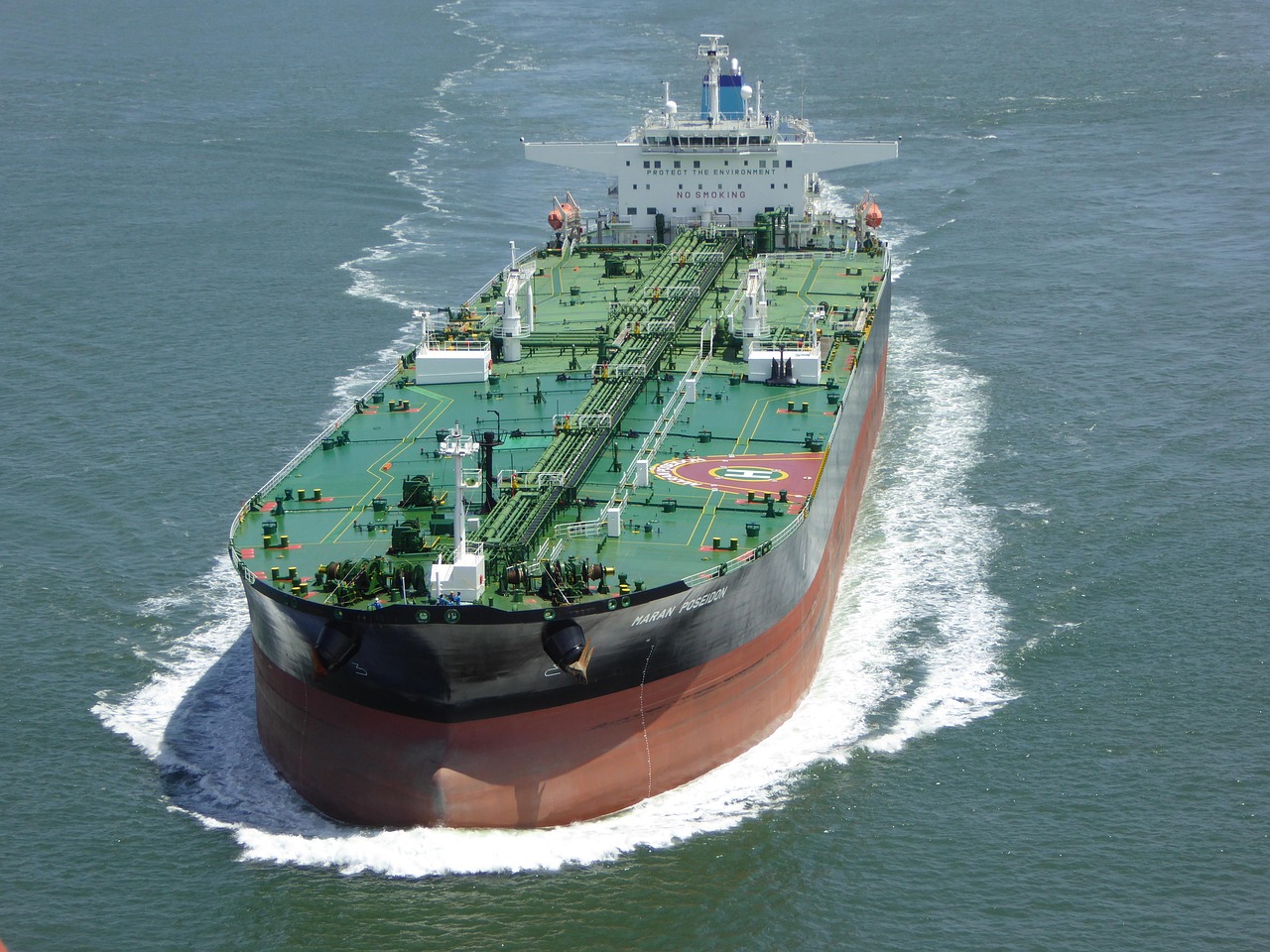
The second fault line is the Strait of Hormuz, through which roughly a fifth of global oil consumption passes. Iran has been in talks with Oman over establishing a permanent toll system for the waterway. The Revolutionary Guard this week published a map claiming armed-forces oversight across more than 22,000 sq km of the strait, asserting what would amount to sovereign control over a vital energy chokepoint.
Five Gulf states — Saudi Arabia, the UAE, Kuwait, Qatar, and Bahrain — have formally rejected Iran’s claim, instructing commercial vessels not to use what Tehran has designated the Persian Gulf Strait Authority route. Trump has been unequivocal: the strait must remain “open, free, with no tolls.”
US crude settled at $96.35 on Wednesday and Brent at $102.58, both down sharply after the deal rumours surfaced during afternoon trading. The drop snapped a weeks-long rally that had pushed prices roughly 45 per cent above pre-war levels. The initial Al-Arabiya report triggered a wave of algorithmic selling within minutes, traders told Reuters. Rapidan Energy, a consultancy, has warned that a prolonged closure of Hormuz through August would risk an economic downturn approaching the scale of the 2008 recession.
A fragile ceasefire has held since April. But the war that began with US-Israeli strikes on 28 February has killed thousands, crippled Iran’s oil export capacity, and sent energy prices surging across the global economy. Pakistan, long an outcast in Washington, has recast itself as the mediator in the Middle East’s most dangerous conflict. Indirect talks between US and Iranian officials intensified in recent days. Secretary of State Marco Rubio said the two sides had “narrowed” their differences but were not yet at a final text, and he acknowledged “significant progress” on the architecture of inspections and sanctions relief. He declined to call the remaining gaps insurmountable.
The IRGC — Iran’s Islamic Revolutionary Guard Corps — made clear the political pressures Tehran faces. “If aggression against Iran is repeated, the regional war that had been promised will this time extend beyond the region and our crushing blows will bring you to ruin in places you cannot even imagine,” the force said in a statement carried by NBC News.
Not everyone believes the talks will succeed. John Bolton, Trump’s former national security adviser, called the negotiations a “waste of oxygen,” arguing in a Bloomberg interview that the ceasefire had only benefited Tehran by giving it time to reconstitute its military. Whether the deal survives the uranium and Hormuz divides — and whether a sceptical Washington and a defiant Tehran can sell it at home — will be tested quickly. An answer is expected within hours.

Yara Halabi
Foreign affairs correspondent covering the Middle East, the Gulf and US foreign policy. Reports from London.