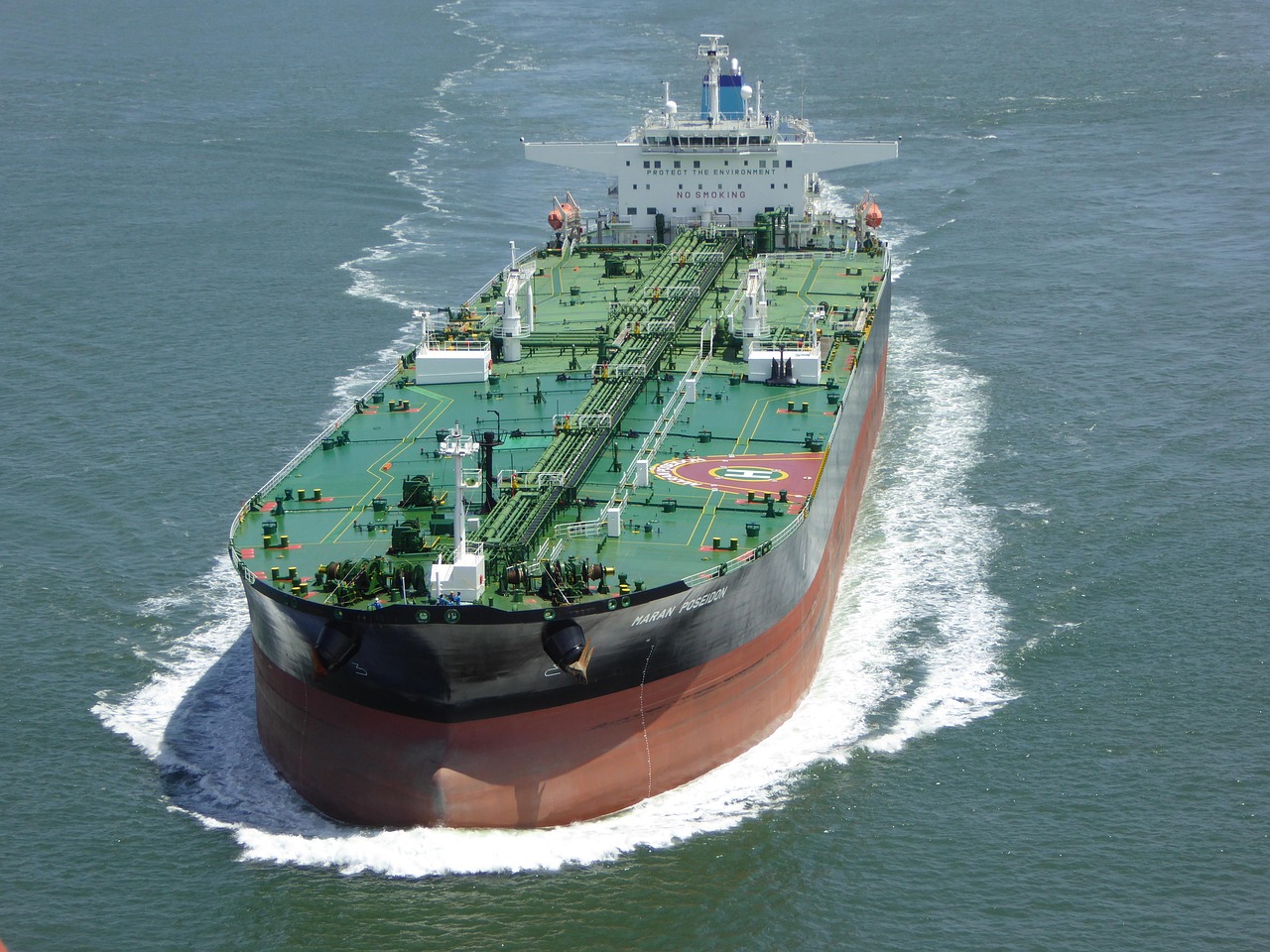
Iran deal nears as Trump says Hormuz will reopen
Iran deal talks appeared to advance after Trump said a draft was largely negotiated, but disputes over nuclear terms, sanctions and assets remain.
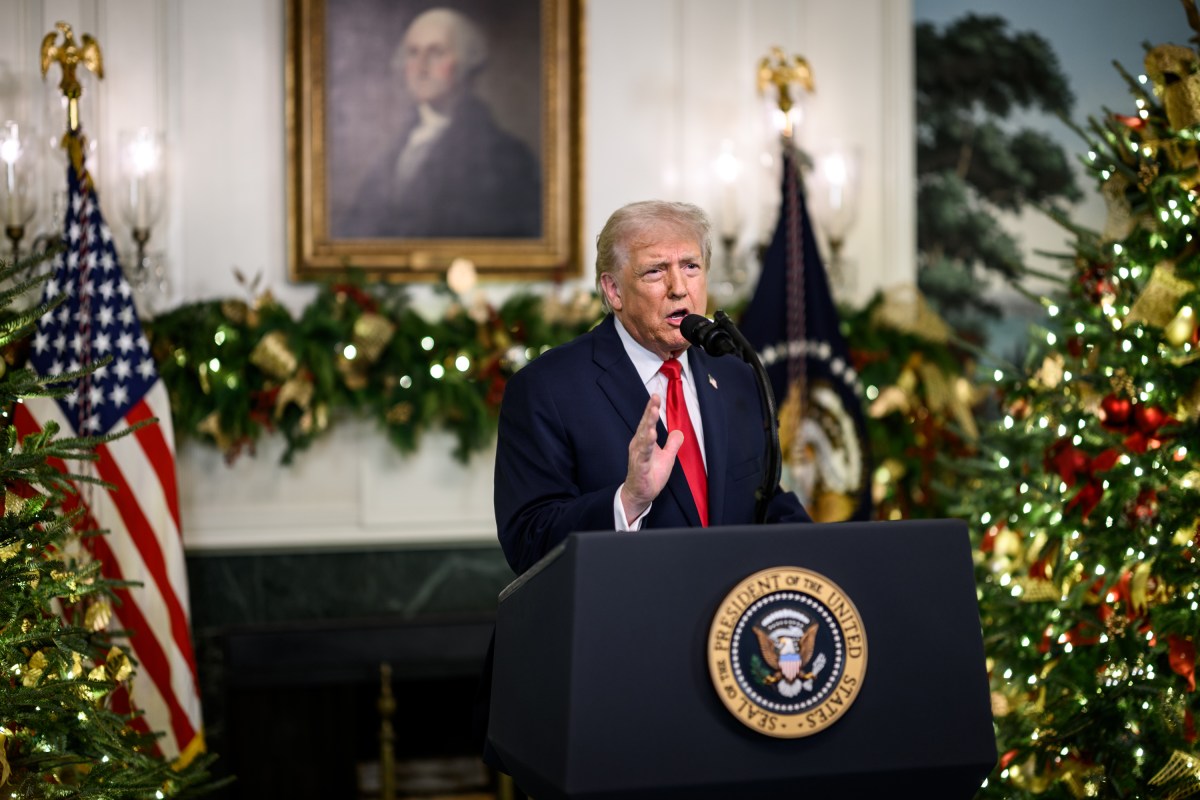
Donald Trump said a deal with Iran had been largely negotiated and would reopen the Strait of Hormuz. The comment suggested Washington and Tehran may be moving toward a formal pause after weeks of military threats, even as core terms remained unresolved.
That was a sharper diplomatic note than US officials had struck days earlier. Trump did not say the parties had signed a final text, and reporting from Axios and the Financial Times said negotiators were still working through nuclear restrictions, sanctions relief and the possible release of frozen Iranian assets. In public, officials were describing an accord that appeared close but not finished.
“An Agreement has been largely negotiated, subject to finalization between the United States of America, the Islamic Republic of Iran, and the various other Countries”
— Donald Trump, in a Truth Social post
CNBC reported that the understanding would reopen the Strait of Hormuz and open a 30 to 60 days window for broader talks on a more detailed agreement. It also said the push followed a fragile ceasefire it dated to April 8, suggesting negotiators are trying to turn a temporary halt in fighting into a more durable framework.
Elsewhere, the Financial Times reported that Trump expected to announce an agreement after consultations with Gulf leaders and allies. Axios said he had spoken with 9 leaders, including Gulf counterparts and Israeli prime minister Benjamin Netanyahu, and that Pakistan army chief Asim Munir had carried messages between the parties. Regional intermediaries still appeared central to the talks.
In recent days, the conflict had swung between strike threats and mediation. Trump was now talking about a diplomatic opening, but the reporting still left room for delays, last-minute objections or a narrower memorandum that would push the hardest issues into a second phase.
What is still unresolved
Still, the substance of the agreement remained unsettled. A Guardian report cited an Iranian negotiator describing a 14-clause framework, suggesting the outline may be more developed than Trump’s public remarks implied. But the same report said the most sensitive points were still open, including nuclear terms, the timetable for sanctions relief and the possible release of about $25bn in frozen Iranian assets.
In Tehran, the foreign ministry used a cautious phrase.
“very far and very close”
— Iran’s foreign ministry, as quoted by CNBC
The wording let Iranian officials acknowledge progress without saying a final settlement was done. It also matched Washington’s caution. Marco Rubio, quoted by The Guardian, told reporters that “news might arrive later today”, suggesting officials were still waiting for more movement before declaring success.
What happens next
Any announcement would still have to clear the issues that have undone earlier apparent breakthroughs. Axios reported that previous near-deals had collapsed, and the gap between Trump’s upbeat language and Iran’s guarded phrasing suggested both sides were preserving room to bargain over the final text. The question was no longer whether talks would continue, but whether negotiators could settle terms each side can defend at home.
For now, the clearest shift is Trump’s move from talk of pressure and military options to saying a deal is within reach and the Strait of Hormuz will reopen. That marks a change in tone after weeks of threats, mediation and a ceasefire that still looked fragile. Even if a memorandum is agreed soon, CNBC’s account suggests harder talks could continue for another 30 to 60 days before a broader arrangement is locked in.

Yara Halabi
Foreign affairs correspondent covering the Middle East, the Gulf and US foreign policy. Reports from London.