US strikes test Trump’s fragile Iran ceasefire push
US strikes on Iran have tested Trump’s ceasefire push, keeping Hormuz, oil flows and a 60-day diplomatic window under pressure.

US forces struck targets in southern Iran hours before negotiators were due to gather again in Qatar, complicating President Donald Trump’s claim that a deal to end the war is close. According to Reuters, the strikes hit boats and missile launch sites after U.S. Central Command said Iranian forces posed a threat to American troops.
The administration’s argument is that both tracks can run at once. Trump has been selling an emerging 60-day framework as a route to reopen the Strait of Hormuz and move the hardest issues, sanctions, enrichment and enforcement, into a later round of talks. But the Washington Post reported the new military action could unsettle that fragile arrangement before it has hardened into anything resembling a peace.
That tension is already visible outside the negotiating room. Inside the administration, the bet is that limited strikes preserve bargaining power and protect roughly 15,000 U.S. troops in the region. Shipping operators and oil traders see something narrower: a ceasefire that can be interrupted at any hour still leaves Hormuz operating under war logic, even if diplomats keep meeting. That is closer to an armed pause than a settled truce.
Trump had been pointing the other way only days earlier. He said on Saturday that an Iran deal was “largely negotiated” and that the Strait of Hormuz would reopen. The Financial Times and Axios each described a proposed 60-day extension in which Iran could resume oil sales and both sides would defer the hardest nuclear decisions. That framing gave the White House a path to claim progress without promising a final settlement.
“to protect our troops from threats posed by Iranian forces.”
U.S. Central Command, via Reuters
Once Washington is again using force inside Iran, the deal stops looking like a clean diplomatic off-ramp and starts looking like a battlefield arrangement enforced in real time. The Financial Times reported on Sunday that the strikes came while peace talks continued. The Washington Post described the same point more bluntly: military action is continuing before the ceasefire architecture is settled. The White House still has a negotiating lane. It no longer has a persuasive case that the fighting has been cleanly separated from it.
Hormuz remains the bargaining chip
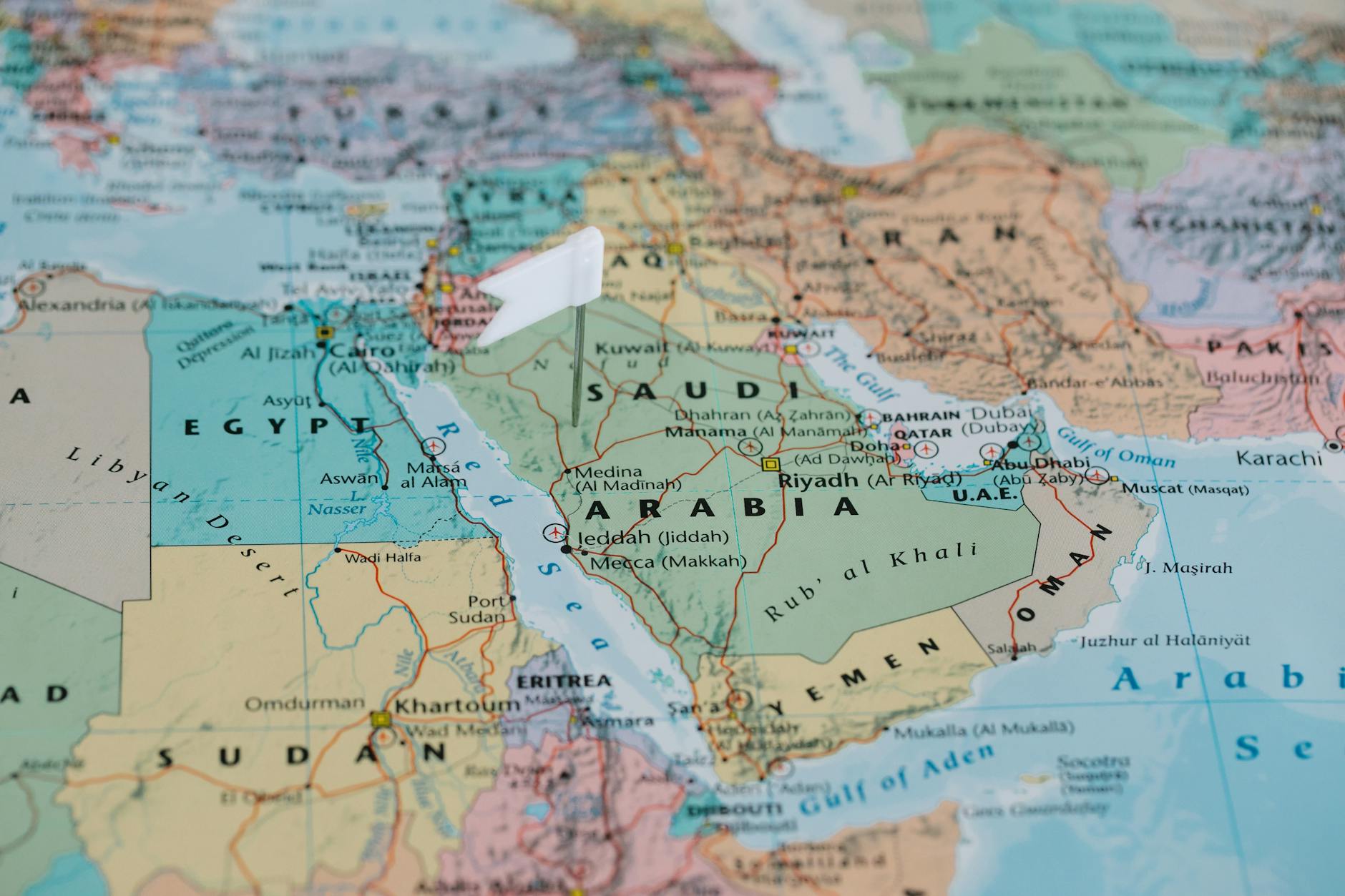
The practical audience for this deal is not only diplomats in Doha or hawks in Washington. It is also shipowners, insurers, Gulf governments and motorists watching whether the strait can function normally again. The Hill reported that Central Command had redirected more than 100 commercial vessels during the blockade, a reminder that even a partial disruption at Hormuz reaches far beyond the negotiating room.

That makes the market view more cautious than the White House line. In peacetime, about one-fifth of the world’s oil supply moves through Hormuz. The Hill also cited a U.S. national average gasoline price of $4.50 in the latest phase of the crisis. Reopening the route would likely remove some immediate price pressure, but a shipping lane policed by threats, retaliatory strikes and sudden diversions does not instantly recover its old economics. Insurance costs, routing decisions and tanker availability lag politics.
The question from that vantage is whether reopening Hormuz clears the risk premium or merely compresses it. The facts so far support the second answer. The Financial Times has framed the strait as the commercial centre of the bargain, while the Washington Post’s earlier reporting made clear that access to the waterway sat at the core of the near-deal under discussion. Fresh strikes do not erase that incentive. They do, however, warn traders that the route is being negotiated under fire, not restored under calm conditions.
That user-affected perspective is also the easiest one to test in the next 48 hours. If traffic resumes smoothly, if diversions slow and if oil gives back more of its war premium, Trump can argue that coercion preserved the opening. If not, the administration will have shown that it can hit Iranian targets without yet producing the one outcome commercial actors actually need: predictable passage.
The deal still lacks a settled constituency
Washington’s internal politics are making the diplomatic pitch harder, not easier. Secretary of State Marco Rubio told The Hill that criticism of the emerging deal was “absurd” and insisted that “our preference is to address this through a diplomatic means.” That is the insider case in one sentence: force is there to protect troops and maintain pressure, while diplomacy remains the desired exit.

“our preference is to address this through a diplomatic means.”
Marco Rubio, via The Hill
But the skeptical reading has not gone away, including on the president’s own side. Ted Cruz signalled concern over the terms of the emerging agreement. The Guardian reported Republican hawks warning of a “disastrous mistake”, while The Hill’s account of the Wall Street Journal editorial board’s criticism captured a broader conservative fear that Trump could trade away sanctions pressure for a short-lived pause. Those objections matter even if the White House dismisses them, because a deal that has to survive renewed fighting will also need a domestic constituency.
Trump’s own language suggests he knows the coalition is brittle. In a social-media post highlighted by The Hill, he mocked critics who “know nothing about the potential deal I am making with Iran, things that haven’t even been negotiated yet”. That is not the language of a president closing a settled accord. It is the language of a negotiator still trying to hold together the idea of one.
“I laugh at all of the Dumocrats, RINOS, and Fools who know nothing about the potential deal I am making with Iran, things that haven’t even been negotiated yet”
Donald Trump, via The Hill
For now, the likeliest end-state looks less like a durable peace and more like a reversible pause: one in which the United States keeps the option of further strikes, Iran keeps bargaining over sanctions and nuclear terms, and both sides try to extract commercial relief before they resolve the war’s core disputes. Semafor reported last week that Trump was still threatening “another big hit” if talks failed, and NPR had earlier described him holding off on one planned strike at the request of Gulf allies. Military action and diplomacy are not alternating; they are being run in parallel.
The fresh strikes carry that conclusion more clearly than the administration’s messaging does. Washington still believes force is necessary to sustain the diplomacy it is advertising. It also means the ceasefire has little spare margin. A truce that survives only while both sides recalculate after each new hit may still be worth having. It is just not yet the kind of peace Trump has been hinting at.

Yara Halabi
Foreign affairs correspondent covering the Middle East, the Gulf and US foreign policy. Reports from London.