Trump ties Iran deal to wider Abraham Accords push
Trump tied an Iran deal to a wider Abraham Accords push, pressing for Arab-Israeli normalization as ceasefire talks with Tehran remain unsettled.

President Donald Trump said Sunday that any deal with Iran should also widen the Abraham Accords. The demand links ceasefire diplomacy with a broader US push for Arab-Israeli normalization.
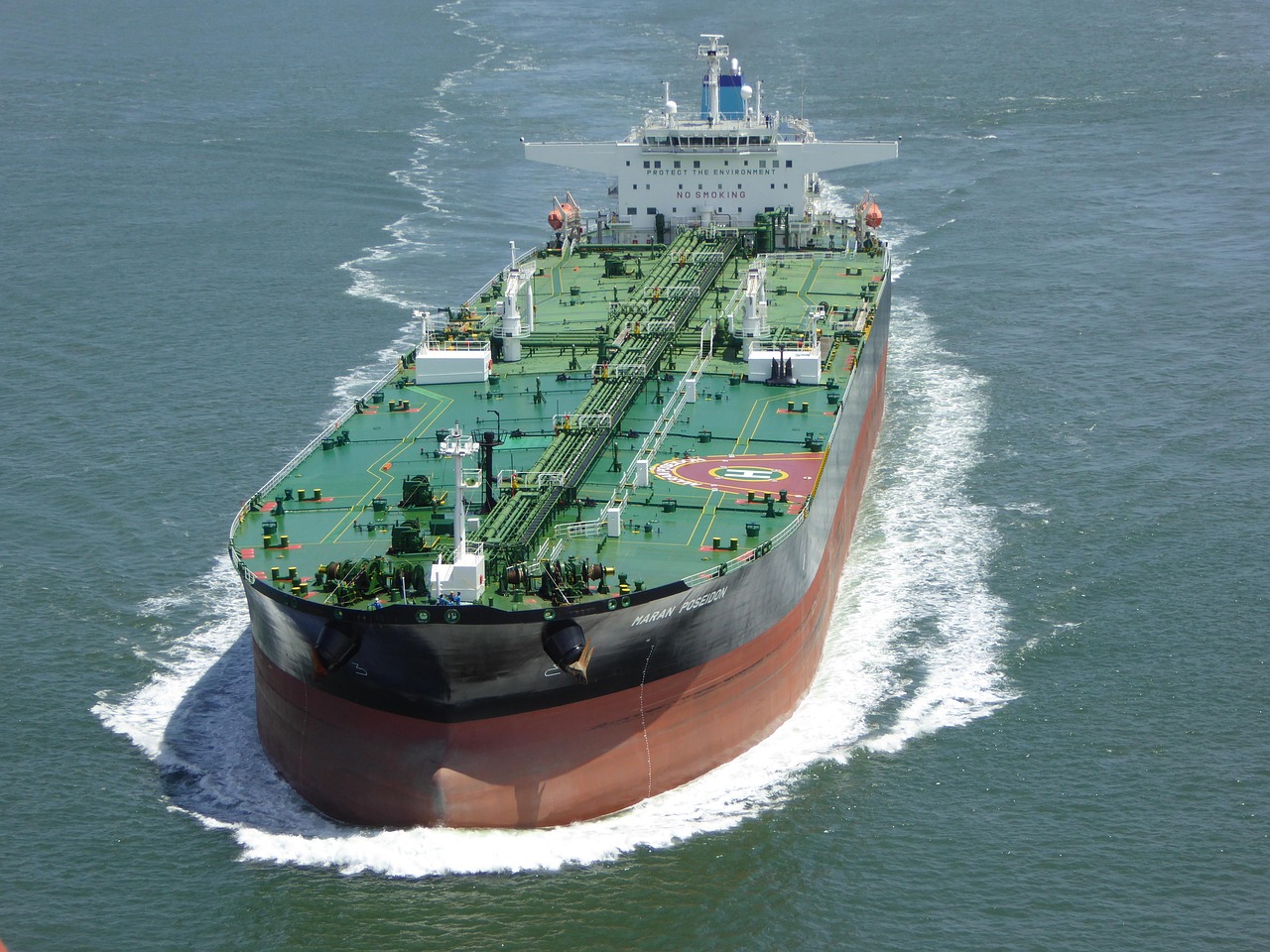
Trump’s comments add a new condition to talks that had centred on stopping the fighting and reopening the Strait of Hormuz. NPR reported that diplomats and former officials have already questioned the approach, even as the White House says an agreement could still be near.
Negotiators were still offering mixed signals on timing. Axios reported Saturday that White House officials believed an agreement could take days. The Washington Post described a framework that would extend the ceasefire for 60 days and reopen the Strait of Hormuz. Those discussions still cover military, nuclear and shipping issues before any wider political package can be settled.
In the same message, Trump named six countries he said should join the normalization push: Saudi Arabia, Qatar, Pakistan, Turkey, Egypt and Jordan. The list suggested that Washington sees the Iran channel as one part of a larger regional settlement.
Trump’s statement on the accords was blunt:
“I am mandatorily requesting that all Countries immediately sign the Abraham Accords”
— Donald Trump, as reported by Reuters
What still divides the talks
At the centre of the dispute is Iran’s nuclear stockpile. Axios reported that Iran holds about 2,000 kilograms of enriched uranium, including roughly 450 kilograms enriched to near-weapons-grade levels, including roughly 450 kilograms enriched to near-weapons-grade levels. Those figures explain why US officials keep tying sanctions relief to nuclear concessions. A senior US official told Axios: “No dust, no dollars. If no highly enriched uranium is given [up], they will get no relief.”
The ceasefire formula remains unsettled as well. The Washington Post said the emerging plan would keep the truce in place for 60 days and reopen Hormuz, the waterway at the centre of recent shipping disruptions. That would address the immediate security and shipping concerns, but it would not by itself settle the wider political questions Trump raised Sunday.
NPR cited former US ambassador to Israel Dan Shapiro, who argued that making Abraham Accords expansion part of the bargain risked overloading talks that were already difficult. He told the outlet that the added demand was “needlessly complicated and unrealistic.”
The White House has kept saying a deal may be close, yet the core trade remains the same. Iran would have to accept strict limits on its enriched uranium before it could expect relief, and any broader normalization push would require support from several governments beyond Tehran and Washington. The next phase of diplomacy will show whether negotiators can close a ceasefire arrangement and whether Trump can attach a wider Middle East bargain to it.

Yara Halabi
Foreign affairs correspondent covering the Middle East, the Gulf and US foreign policy. Reports from London.