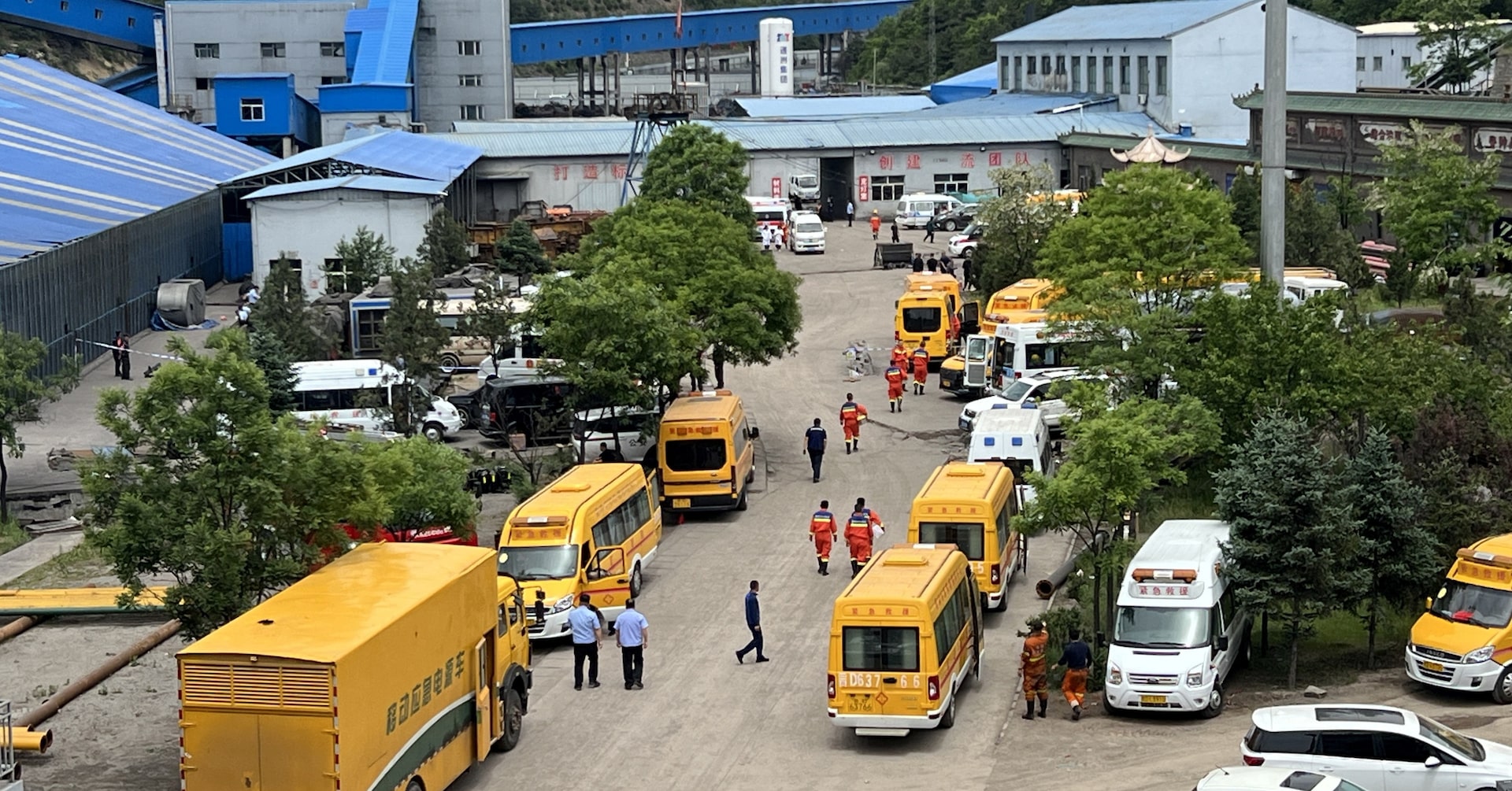
California chemical leak forces 40,000 to evacuate
California chemical leak forced about 40,000 people to evacuate in Orange County after officials warned a storage tank could rupture or explode.
About 40,000 people were ordered to evacuate parts of Orange County late Thursday after a storage tank at GKN Aerospace in Garden Grove leaked methyl methacrylate and officials warned it could rupture or explode, according to Reuters and The Guardian.
The evacuation turned a problem at one aerospace plant into a wider emergency across nearby communities. Officials expanded the zone across six Orange County cities, closed schools for Friday and told residents the safest course was to stay out of the area until firefighters could judge whether the tank would hold through the night. Authorities said there were no immediate reports of injuries or deaths, but the scale of the evacuation showed how seriously local officials were treating the risk.
Orange County Fire Authority division chief Craig Covey said the tank held about 6,000 to 7,000 gallons of methyl methacrylate, or roughly 22,700 to 26,500 liters. The chemical is used in acrylic products and can be dangerous if released in large amounts. Fire crews spent hours spraying water on the tank to bring down its temperature, reduce pressure and buy more time around an unstable container.
Covey said the central problem was uncertainty. In remarks carried by NPR, he said crews could not predict when the tank might give way: “This thing is going to fail, and we don’t know when.”
Officials said the concern was not limited to the leak already under way. They were also trying to guard against a crack or blast that could send fumes or debris beyond the industrial site. That is why crews kept working around the tank while residents were moved farther back and officials briefed the public on changing conditions, according to Reuters.
Orange County health officer Regina Chinsio-Kwong said the evacuation line reflected a worst-case safety calculation around the tank. In comments reported by Reuters, she told residents outside the zone they were not in immediate danger: “You are safe as long as you are out of the zone that was determined to be an evacuation zone.”
What happens next
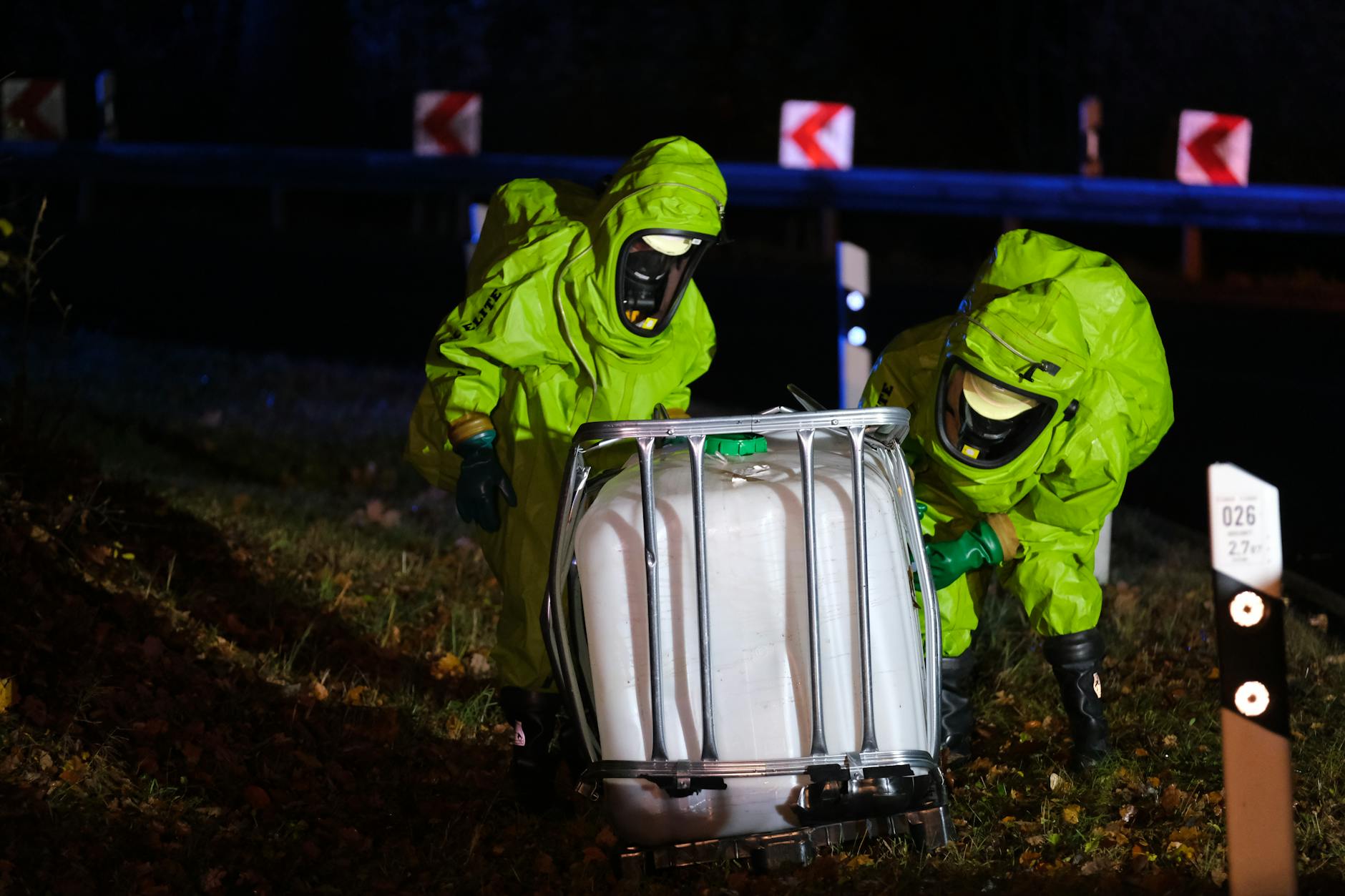
GKN Aerospace remained at the center of the response as firefighters and hazmat teams weighed how to stabilize the tank without triggering the rupture they feared. The Guardian reported that officials were treating the emergency as a volatile chemical incident rather than a fire that had already spread across the site. That left crews focused on moving people back, cooling the container and avoiding a failure while options remained uncertain.
Covey also signaled that crews were running short of options. In remarks quoted by The Guardian, he said: “There are literally two options left remaining.”
For residents, the immediate questions were how long the evacuation would last and whether the tank could be brought under control before conditions changed again. For emergency officials, the public message was simpler: keep the area clear, keep water on the tank and stay out of the evacuation zone until the risk eased. Until then, residents were being told to assume the danger had not passed.

Yara Halabi
Foreign affairs correspondent covering the Middle East, the Gulf and US foreign policy. Reports from London.