Green card applicants must apply abroad under Trump
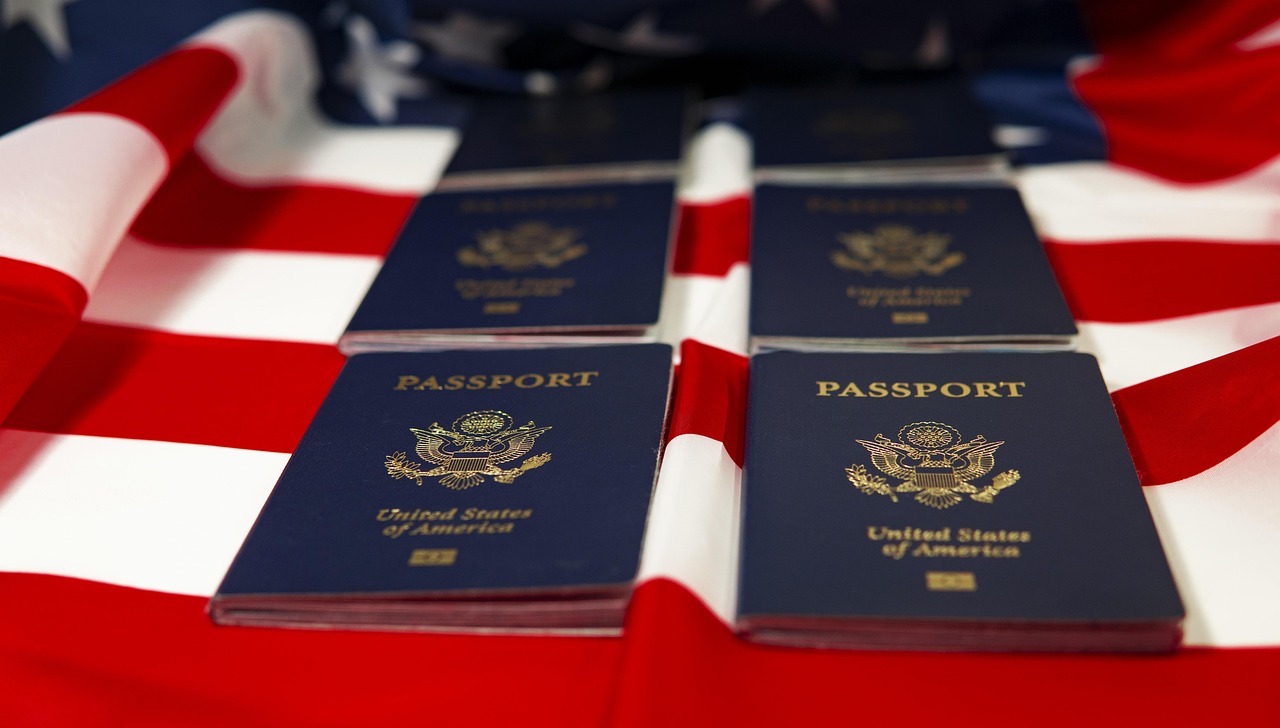
The Trump administration said most foreigners already in the United States on temporary visas must leave and apply for green cards from abroad, tightening a long-used route to permanent residence.
The Trump administration said on Thursday that most foreigners seeking green cards while already in the United States would have to leave and apply from their home countries, tightening a process that has long allowed many temporary visa holders to seek permanent residence without departing.
In comments reported by Reuters, the Department of Homeland Security and US Citizenship and Immigration Services said the change applies to a legal immigration route, not to asylum or deportation cases. For people living, working or studying in the United States on temporary visas, an application that could be filed at home may now have to move through a consulate abroad.
DHS said the administration was restoring the system to what it called its intended design. In the agency’s words, “An alien who is in the U.S. temporarily and wants a Green Card must return to their home country to apply.”
For more than 60 years, applicants have generally had two ways to pursue a green card: applying abroad through a US consulate or seeking adjustment of status after arrival. The Guardian reported that the in-country option had remained available for more than six decades before the new rule. One route ends with an immigrant visa interview overseas. The other has let applicants already in the United States file and remain in place while officials review the case.
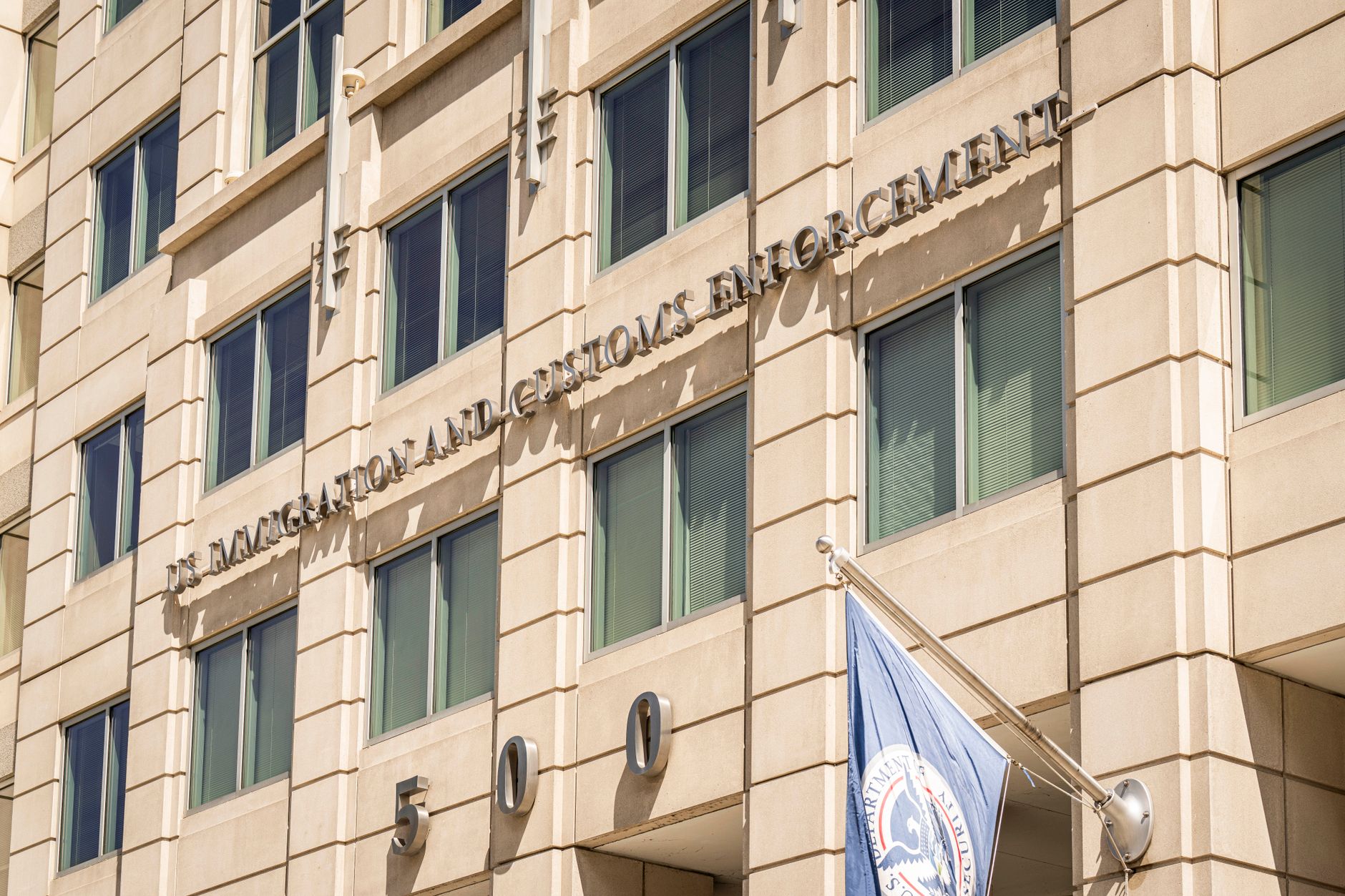
US Citizenship and Immigration Services, the DHS agency that handles immigration benefits, has long processed those domestic applications. The new policy shifts the decisive step back to consular officers abroad and extends Trump’s harder immigration line to a mainstream route used by temporary visa holders.
Why the rule matters
More than 1 million immigrants already in the United States are waiting on green cards, The Guardian also reported, citing a Cato Institute analyst. Requiring those applicants to leave for consular processing could disrupt jobs, school and family arrangements even though they are already pursuing legal permanent residence.
DHS defended the change in a second statement reported by Reuters, saying it would close what the department called loopholes. The department said, “This policy allows our immigration system to function as the law intended instead of incentivizing loopholes.”
Advocacy groups said the rule could create problems for families tied to countries where immigrant visa processing is slow, disrupted or unavailable. In comments reported by PBS NewsHour, World Relief said some households could be told to leave the United States even when they could not complete consular processing quickly abroad: “If families are told that the non-citizen family member must return to his or her country of origin to process their immigrant visa, but immigrant visas are not being processed there, it’s a Catch-22.”
The move carries Trump’s immigration agenda deeper into the legal system that temporary visa holders use to become permanent residents. It gives the change immediate consequences for people already inside the country, not only those seeking to enter from abroad.
For many applicants on temporary status, the message is now straightforward: a green card case that once could move ahead inside the United States may have to be finished in another country. After more than 60 years of routine use, adjustment of status would no longer be the standard path for many people already in the country.

Ramona Castellanos
US politics correspondent covering Congress, primaries and the Trump administration. Reports from Washington.