Judge orders White House to preserve presidential records
A federal judge has ordered the White House to keep preserving official records after blocking the administration's attempt to narrow its obligations under the Presidential Records Act.
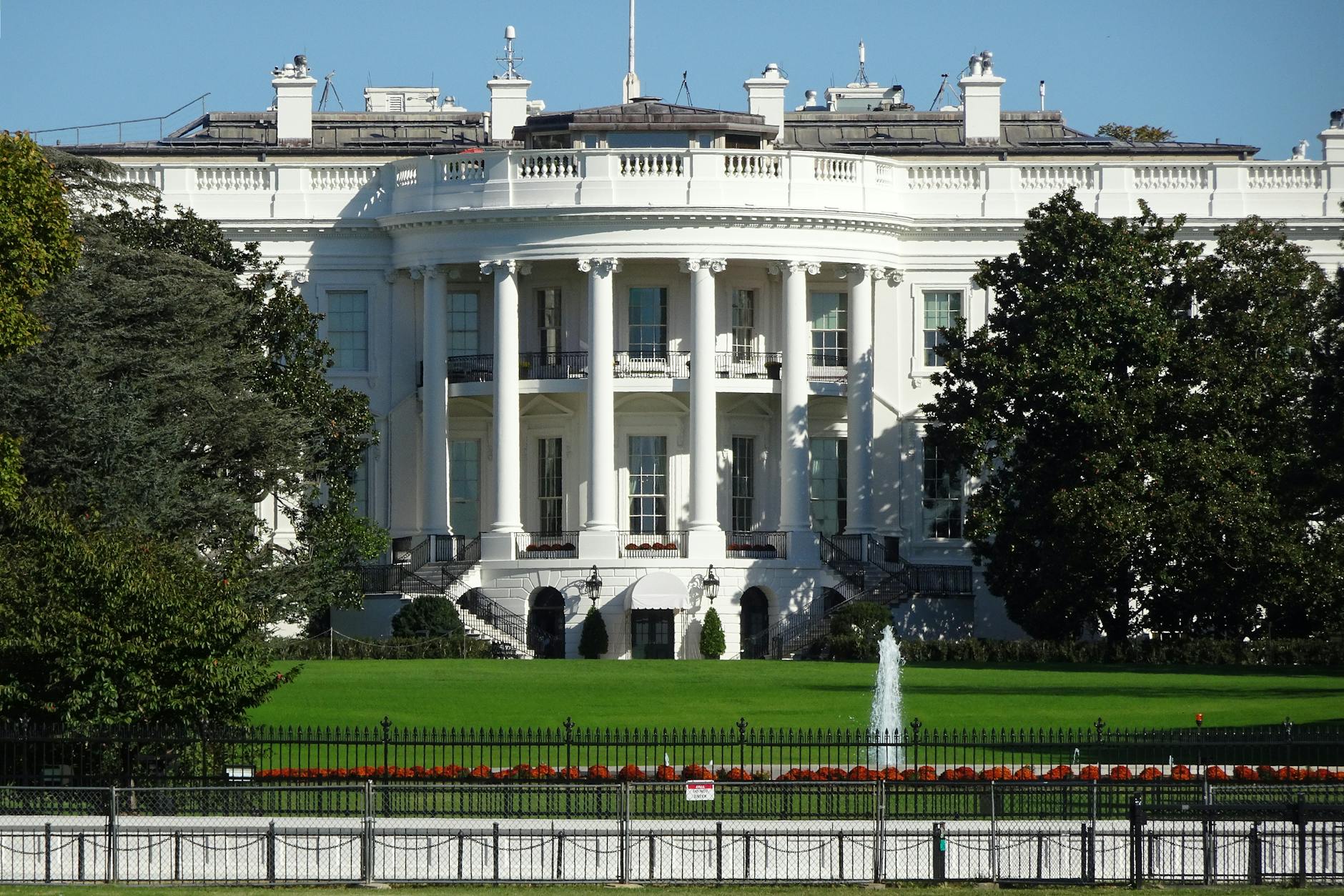
U.S. District Judge John D. Bates on Wednesday ordered White House officials to keep following the Presidential Records Act, dealing the Trump administration a legal setback after it moved last month to narrow which Oval Office and senior-aide records had to be saved.
The preliminary injunction requires officials to keep observing the statute’s recordkeeping rules while the lawsuit proceeds. It takes effect on May 26.
Bates’s order restores, for now, the status quo that existed before the administration adopted a tighter internal policy on April 2. That shift followed an April 1 Office of Legal Counsel opinion which concluded the records law was unconstitutional as applied to the president, reopening a fight over whether the White House can treat Congress’s preservation rules as optional while the courts sort out the question.
The case turns on whether emails, text messages, memoranda and other official presidential files must be retained under a binding federal statute or under internal rules that can change with a president’s view of executive power. Bates did not resolve that constitutional fight on Wednesday. He required officials to keep saving records first, before the administration’s narrower reading could govern day-to-day practice.
Timing gave the dispute its edge. The White House had already swapped out its guidance once the Justice Department reinterpreted the statute. A ruling months from now would not recreate messages or memoranda that were never saved in the interim.
In a written opinion, Bates wrote that the court viewed the dispute as urgent enough to justify relief before a final ruling on the merits.
“What is past is prologue.”
— John D. Bates, U.S. District Judge, in the court’s opinion
The order came in FPF v. Trump, a challenge to the administration’s attempt to narrow its preservation duties after the OLC memo. White House officials circulated revised instructions on April 2, one day after the Justice Department memo, changing how they were told to handle records covered by the statute, according to a case summary posted by CREW.
Wednesday’s injunction does not end the case. It freezes the administration’s narrower approach while the litigation continues. White House officials must keep operating under the broader retention regime that existed before the April guidance shift, not under the rules advanced after the OLC opinion. Because the order takes effect on May 26, the administration has a short window to decide whether to seek emergency relief from a higher court.
What the order means
The statute governs preservation of official presidential documents. The legal fight now is over whether that duty remains enforceable when a president claims constitutional authority to control his own records practices. In ordinary terms, the judge told aides to keep the paper trail and digital trail intact while lawyers argue about presidential power. Bates did not answer the final constitutional question. He required compliance first and left the larger argument for another day.
White House spokeswoman Abigail Jackson said Trump was committed to preserving records from his administration and would maintain a “rigorous records retention program,” The New York Times reported. The court’s order means those assurances now sit alongside a binding injunction, not only an internal pledge.
Donald Sherman, president of Citizens for Responsibility and Ethics in Washington, said the order prevents the White House from shrinking the documentary record of official conduct while the lawsuit continues.
“Today’s order is a significant win for transparency and accountability.”
— Donald Sherman, president of CREW
Wednesday’s ruling is one of several legal fights over executive power and transparency in Trump’s second term. Bates kept the order narrowly procedural: he did not issue a final judgment on the Justice Department’s constitutional position. He took the shorter step of requiring continued compliance while the court decides whether the administration can lawfully narrow the statute’s reach.
That narrow framing may matter in the next phase. An appeals court reviewing any emergency challenge would face a temporary preservation order, not a final judicial declaration about presidential power. For now, the ruling puts the White House back under the Presidential Records Act’s preservation rules and turns a dispute over internal guidance into a live court-enforced obligation. The next move shifts from the West Wing and the Justice Department to the appeals docket in Washington.

Ramona Castellanos
US politics correspondent covering Congress, primaries and the Trump administration. Reports from Washington.