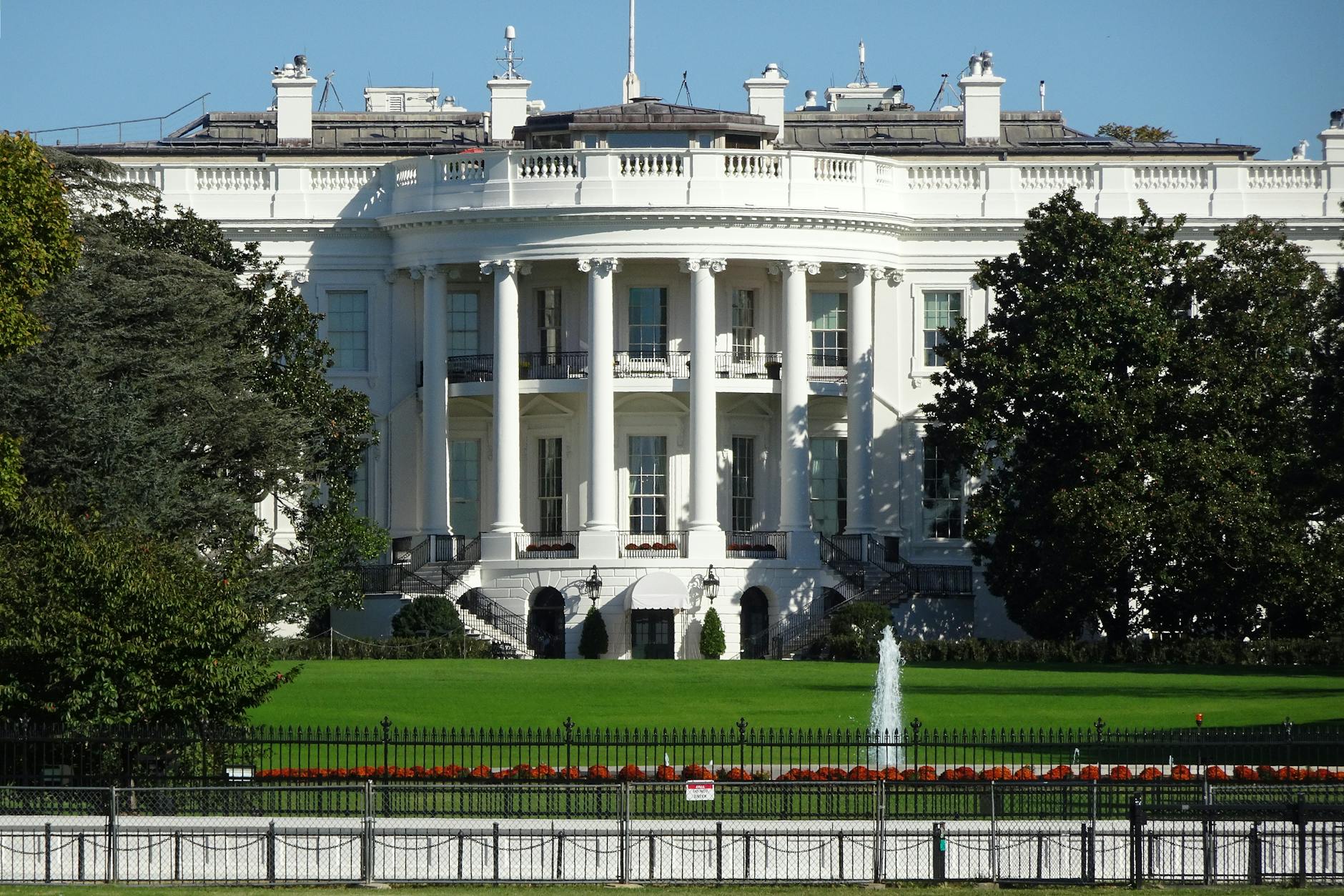
Trump pressures Supreme Court before major rulings loom
Trump and JD Vance are pressuring the Supreme Court before major rulings that could set the limits of executive power in a second term.
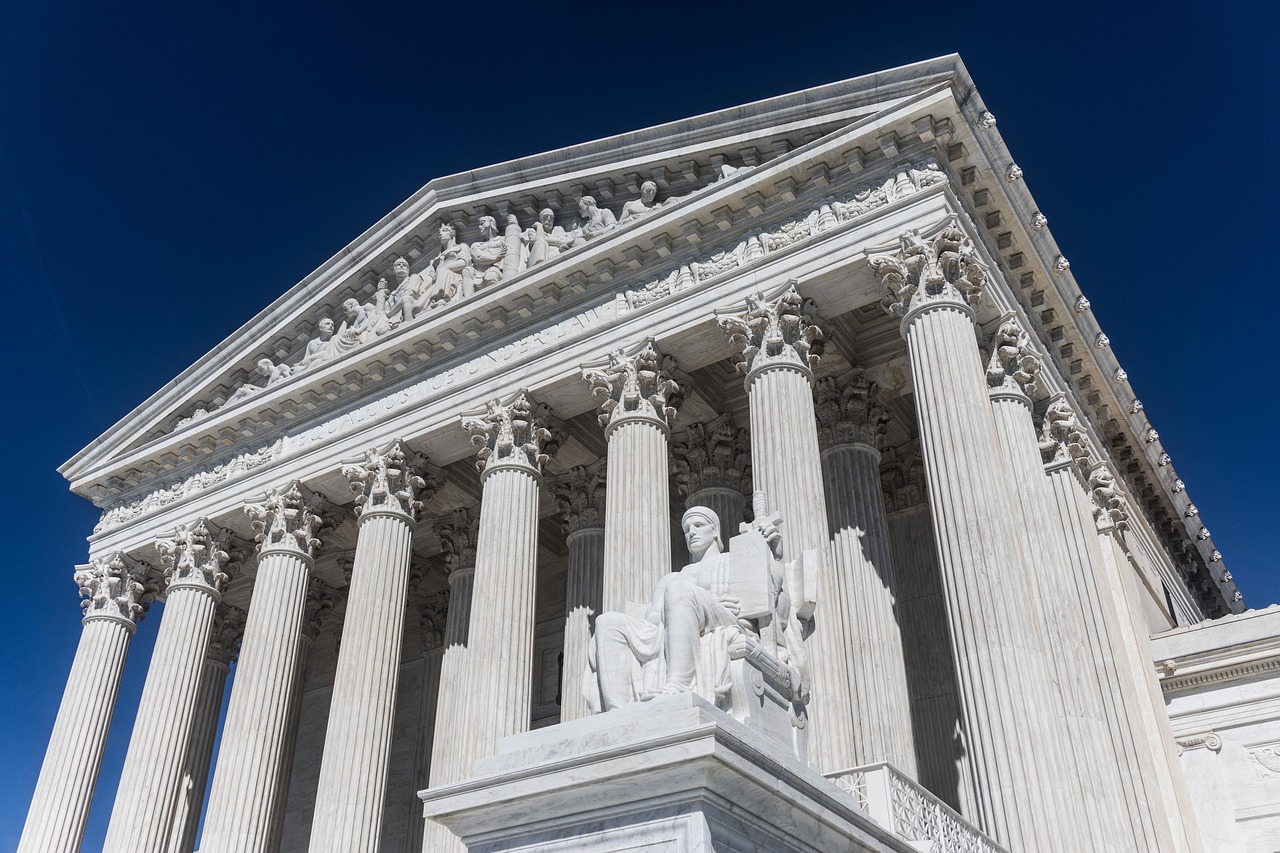
With major cases involving Donald Trump still before the U.S. Supreme Court, the White House is treating the Supreme Court as the last institution in Washington that can still narrow, delay or stop parts of Donald Trump’s second-term agenda. That helps explain Trump’s late-term mix of public pressure and private outreach to justices who may soon define the legal limits of his presidency.
This is not only another Trump personality story. It is an institutional one. Institutionally, Congress has already yielded ground to the executive on several fronts, and much of the next round of conflict over immigration, trade and administrative authority will be decided in court. The Supreme Court matters because it can do what political allies cannot: bless a broad reading of executive power in one dispute, then cut it back sharply in the next.
Even so, the skeptic’s case deserves weight. The Roberts court has not behaved like a captive political arm, even when Trump allies talk as if it should. Its recent record suggests a conservative bench that still guards its own prerogatives, moves case by case and resists the idea that presidential volume is the same thing as presidential leverage. If Trump is trying to shape the atmosphere around the justices, recent decisions suggest the justices are more interested in setting boundaries around Trump.
Viewed that way, the key question for the next few weeks is not whether the president can command the court’s attention. He plainly can. More important is whether that attention changes outcomes when the justices are deciding disputes over immigration enforcement, tariffs, administrative procedure and the balance between ideological alignment and institutional independence. On that point, the public theater matters less than the court’s emerging pattern of rulings.
Why the court matters now
Recent decisions strengthen the analyst’s view that the court is the central veto point in Trump’s second term. In a ruling on immigration judges’ speech rights, the justices sided with the administration and reversed a lower-court decision that had allowed the challenge to proceed. In trade, companies have already begun receiving tariff refunds after an earlier Supreme Court decision cut into part of Trump’s tariff strategy. The court is not moving in one direction. It is working through the machinery of executive power one dispute at a time.
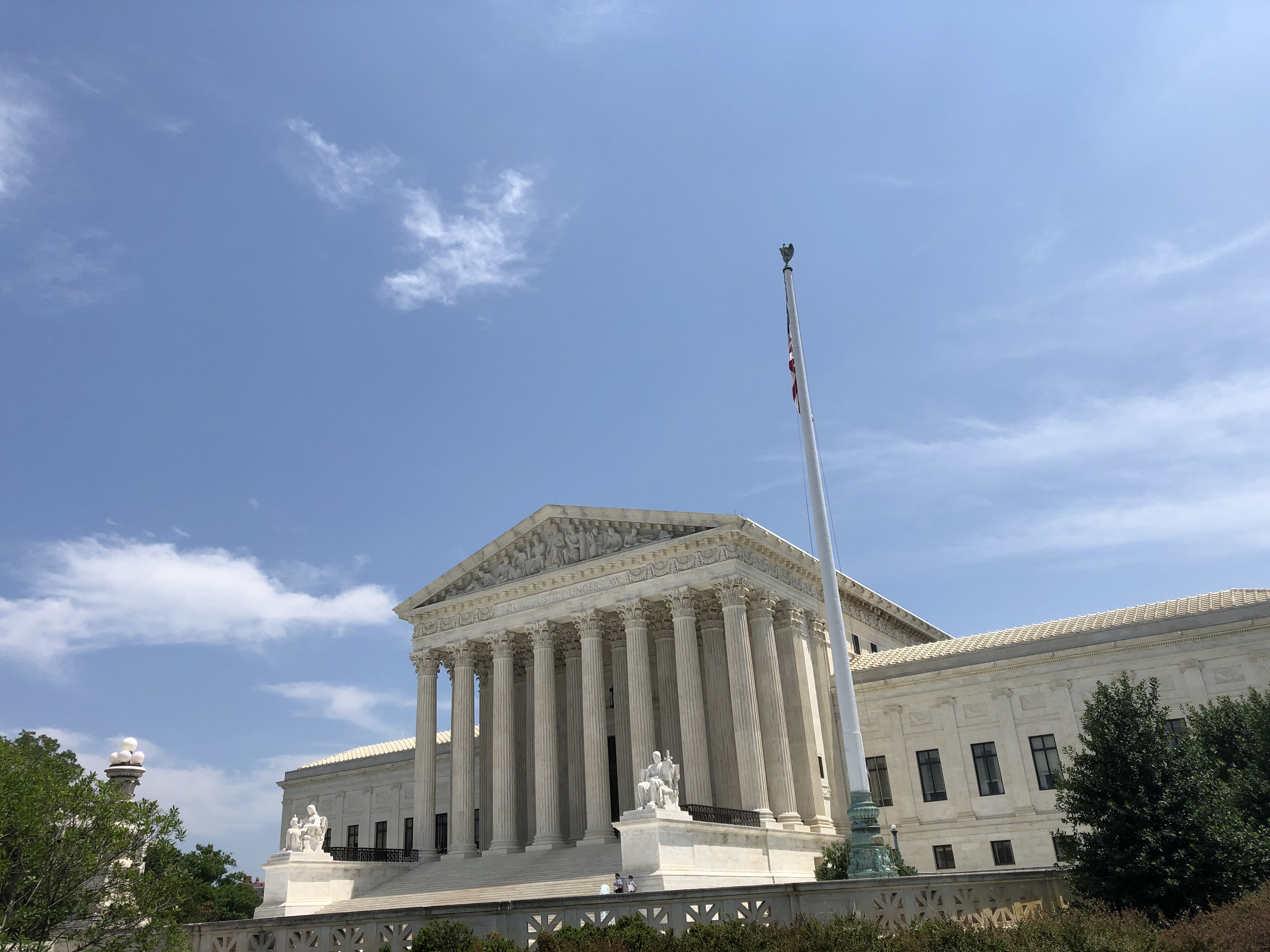
Broad ideological shorthand obscures that pattern. A conservative majority does not automatically mean uniform deference to the White House. Some cases turn on statutory wording, some on administrative procedure, some on who can sue and where, and some on whether the administration is willing to defend a position all the way to the end. Even disputes that fit neatly into a culture-war frame can arrive before the justices as narrow questions about jurisdiction, remedy or venue.
Seen through a procedural lens, the immigration judges case was a reminder that forum, timing and internal administrative rules can be as important as the larger constitutional fight. Across Trump’s broader Supreme Court docket, the same logic applies. A president can dominate the political conversation and still lose on route, timing or statutory constraint once a case enters the judicial system.
A late-April Reuters survey of the major Trump cases before the court captured that tension. The justices are not confronting a single referendum on Trump. They are confronting a cluster of disputes that test how far executive power can travel across immigration, agency action and other core parts of the administration’s agenda. That is why the coming rulings matter more than the mood music around them. They will say something concrete about how the Roberts court sees its role in a second Trump presidency.
Pressure and access
For White House officials, the court is the decisive institutional checkpoint, which helps explain the effort to cultivate every available channel around it. The New York Times reported that Vice President JD Vance made an unannounced visit to the court last week for a private dinner with Chief Justice John G. Roberts Jr. and former clerks. A dinner does not prove influence. Still, it shows that Trump’s team is pairing its public combativeness with a quieter effort to keep personal access and institutional reassurance alive.

Asked about Trump’s posture toward the justices, White House spokeswoman Abigail Jackson told the Times that Trump had “always valued President Trump’s ability to freely speak his mind and share his thoughts directly with them.”
That wording tries to normalize two different strategies at once. One is relational: keep lines open, use trusted intermediaries and let Vance play the role of emissary. The other is performative: let Trump lash out in public, signal to supporters that he will not treat the court with the usual deference, and hope that political pressure becomes part of the atmosphere in which the justices work. Only then can the administration present both approaches as consistent, because it assumes the court hears politics and institution as parts of the same conversation.
Skeptics would read the episode differently. Presidents routinely try to frame the stakes of pending cases, but the modern Supreme Court, and especially Roberts, has long been sensitive to the appearance that it is being pulled into day-to-day partisan combat. In Roberts’ court, a president who courts the court in private while berating it in public may generate headlines yet still fail to move a single vote. If anything, the tactic can reinforce the chief justice’s preference to show that the institution is not politically owned by anyone, including the president who helped shape its majority.
A conservative court, not a captive one
The deeper clash is intra-conservative as much as it is about separation of powers. Trump did not inherit this court from political opponents. He helped build it, chiefly through his three first-term nominees, Neil Gorsuch, Brett Kavanaugh and Amy Coney Barrett, and through a broader conservative legal network that sold voters on the long game of judicial power. Yet the network that created a durable conservative bench is not identical to the personal loyalty system Trump prefers in every other institution.
As The Hill’s analysis of the Federalist Society’s grip on judicial nominations put it, the pipeline behind Trump’s future judicial picks still runs through many of the same actors and ideas that shaped his first term. Trump’s anger at some of those figures has been explicit. Referring to conservative legal power broker Leonard Leo, Trump said he had “a big and very dangerous mouth!” according to The Hill.
More revealing is where Trump’s frustration lands when the court or the legal movement stops behaving like an extension of his political will. The grievance is not only with liberal critics or lower-court judges. It is also with parts of the conservative establishment that built a court designed to last beyond any one president. That helps explain why Vance’s private visit and Trump’s public complaints can coexist. One strategy tries to preserve alignment inside the conservative coalition. The other tries to punish any sign that the court still sees itself as separate from it.
Coverage of the tariff cases points the same way. Politico wrote about the administration’s effort to keep Trump’s trade agenda alive after an adverse ruling, while CNBC documented the market consequence once refunds began to flow. That is what institutional friction looks like in practice. The court does not need to issue a sweeping anti-Trump manifesto to constrain the White House. It only has to keep deciding specific cases in ways that force the administration to rewrite policy, narrow claims or find another statutory path.
So the clearest answer to the central question is limited. Trump’s blend of access and agitation may shape the political climate, and it may help explain why the White House is devoting so much attention to the justices. Stronger evidence so far suggests the court is still operating as a conservative institution with its own view of executive limits. As the term enters its decisive weeks, Trump is testing the court because he knows it matters. The justices, in turn, seem intent on showing that mattering is not the same as yielding.

Eli Donovan
Supreme Court and legal affairs correspondent covering the federal judiciary and constitutional law. Reports from Washington.