Rubio tells NATO allies Trump angry over Iran war stance
Rubio tells NATO allies Trump angry over Iran war stance as Washington pressures Europe over base access and support ahead of ministers' talks.
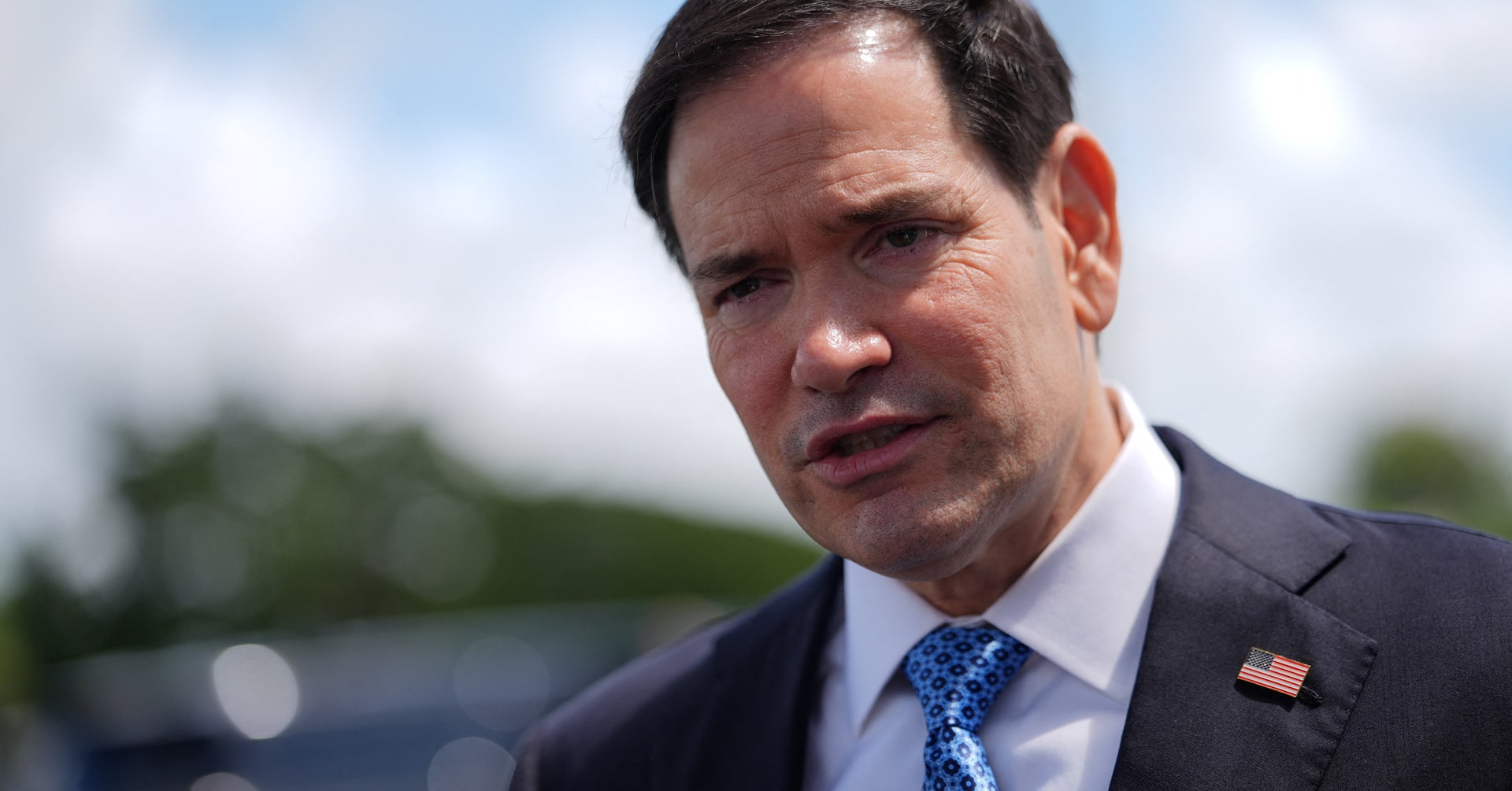
Secretary of State Marco Rubio plans to tell NATO ministers that President Donald Trump is “very disappointed” with allies that denied U.S. access to bases during the Iran war, according to Reuters. The warning opens a new dispute inside the alliance as Washington presses European governments to show clearer support.
The dispute reaches beyond one military operation. By raising it at a NATO meeting, the Trump administration is recasting allied conduct in the Iran conflict as a test inside the 32-member alliance. That moves the argument from the battlefield into NATO politics.
Rubio is expected to single out Spain and argue that governments that blocked U.S. forces from using their bases should expect tougher questions from Washington, Reuters reported.
“You have countries like Spain denying us the use of these bases - well then why are you in NATO? That’s a very fair question”
— Marco Rubio, via Reuters
Rubio said some allies had been more helpful, drawing a line between governments that backed the operation and those that held back. That distinction may limit the immediate diplomatic damage. It still leaves ministers to answer a harder question: does alliance solidarity extend to a specific U.S. military action?
“In fairness, other countries in NATO have been very helpful. But we need to discuss that.”
— Marco Rubio, via Reuters
The venue adds to the stakes. NATO meetings are usually staged to project unity even when members disagree in private.
Putting the base-access dispute on the ministers’ agenda forces European governments to answer in an alliance forum, not only through bilateral channels.
The fight is also landing at a delicate moment in Washington. House Republican leaders on Wednesday canceled a planned vote on a war-powers measure that would have forced a public test of support for Trump’s handling of the conflict, CNN reported. The move spared the White House an immediate rebuke, but it showed how quickly the Iran war has spread into arguments over presidential power and allied support.
Rubio’s message also arrives as European officials weigh reports of a broader U.S. force review that could pull 5,000 troops from the continent. For governments already measuring Trump’s long-term commitment to Europe, the base-access fight raises a related question about whether backing for Middle East operations is now tied to U.S. security guarantees on the continent.
What ministers will hear
For many European capitals, the immediate concern is straightforward: a refusal to help in one crisis could now be treated in Washington as a broader test of loyalty. That leaves governments trying to keep NATO security ties intact while distancing themselves from White House decisions they oppose.
Rubio’s task is to carry Trump’s frustration without deepening the split he is about to describe. Ministers will be listening to see if the warning stops with the Iran war or signals a longer test of allied reliability.

Yara Halabi
Foreign affairs correspondent covering the Middle East, the Gulf and US foreign policy. Reports from London.