Oil prices jump 3% as Iran hardens uranium stance
Oil prices jumped more than 3 per cent after Ali Khamenei ruled enriched uranium must stay in Iran, tying nuclear talks to Hormuz risk.
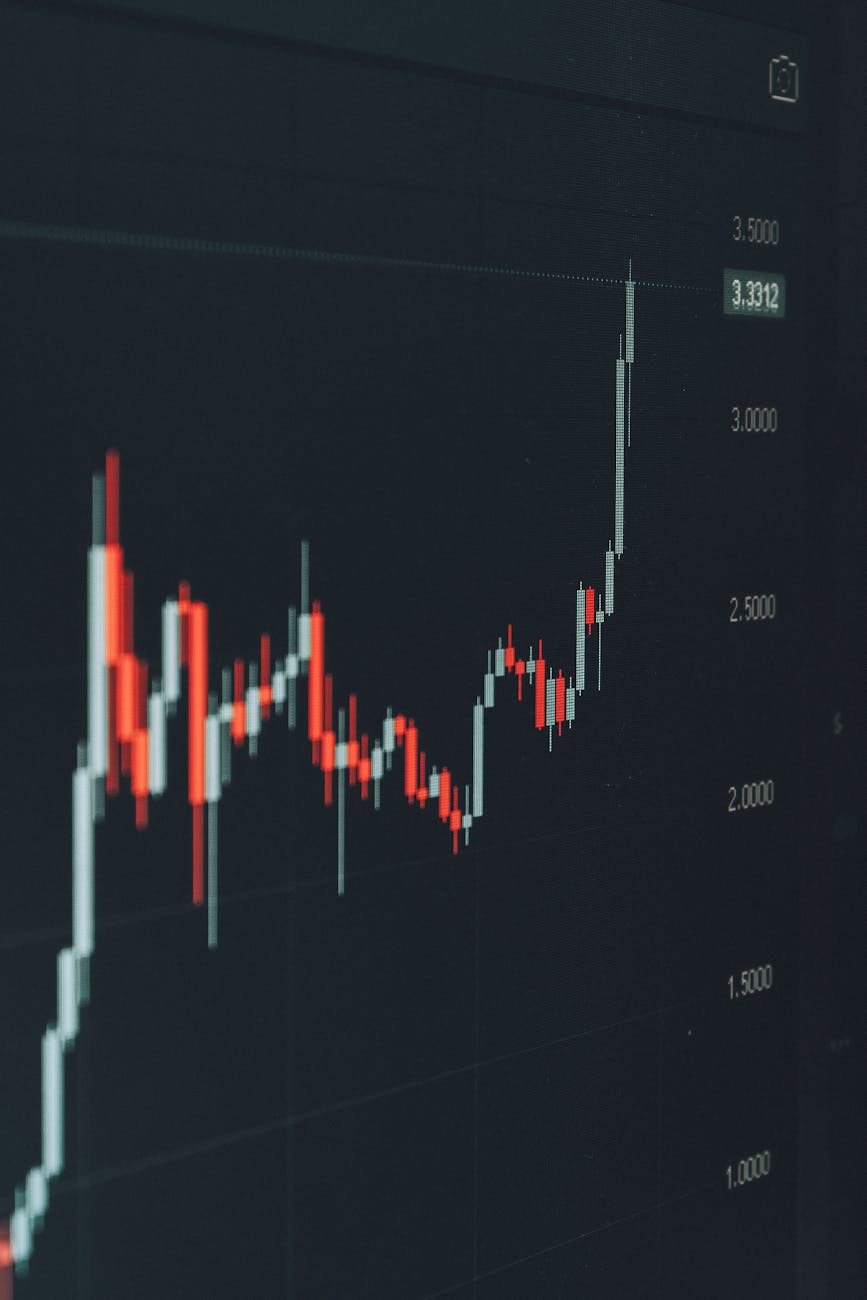
Oil jumped on Thursday because traders treated one line from Tehran as a fresh signal that the diplomatic path remains narrow. After Reuters reported that Iran’s supreme leader had insisted enriched uranium must stay inside the country, U.S. crude briefly traded near $101.96 and Brent near $108.34 as the market added back a geopolitical premium tied to the Strait of Hormuz.
The move mattered because the uranium dispute is not an abstract nuclear argument. It sits at the centre of the talks between Washington and Tehran over what Iran can keep, what it must surrender and how much risk the region must absorb while those terms remain unsettled. Bloomberg reported that the dispute over shipping enriched material abroad was colliding with a second fight over traffic through Hormuz, where President Donald Trump said Washington wanted passage reopened without tolls or interference.
Policy and market readers are looking at the same headline through different lenses. For traders, the question is whether the rally is mostly a risk premium or the start of a longer supply shock. For nonproliferation hawks, the issue is whether any formula that leaves material onshore can still be verified tightly enough to support sanctions relief. The two readings meet in the same place: if the diplomacy looks less credible, oil reacts first.
Consumers are the third audience already in the story. Fuel markets do not wait for a formal breakdown in talks before repricing. BBC reporting on petrol and diesel prices and The Hill’s survey of U.S. gasoline above $4 in all 50 states both point to the same pressure point: once crude spikes in a thin market, the next effect shows up at the pump, in jet-fuel costs and in inflation gauges that central banks are still trying to cool.
As Reuters reported, the Iranian position was stated bluntly:
“The Supreme Leader’s directive, and the consensus within the establishment, is that the stockpile of enriched uranium should not leave the country.”
— one of the two Iranian sources, Reuters
To traders, that sentence explains why a diplomatic detail moved crude in real time. In the market’s view, uranium staying in Iran is not only a nuclear issue. It is a test of whether the talks can produce any enforceable compromise before the shipping and insurance risks around Hormuz grow again.
Why one clause moved oil
Traders reacted so quickly because the uranium clause has become a proxy for the broader question of bargaining power. Tehran appears to want a monitored path that keeps strategic material onshore. Washington is pressing for removal and for tighter restrictions on what Iran can continue to enrich. Foreign Policy argued this week that a zero-enrichment demand is unlikely to produce a durable settlement, while Deutsche Welle’s analysis framed the same dispute around what happens to the stockpile if the war footing eases but mistrust remains.

Iran is not arguing over a token amount of material. The International Atomic Energy Agency’s pre-strike estimate put Iran’s stockpile of 60 per cent enriched uranium at 440.9 kg before the 2025 attacks. Material at that level can be diluted, capped or monitored under a deal. It also functions as bargaining power while no deal exists. Tehran’s demand to keep it inside the country preserves that bargaining position. Washington’s demand to move it out is designed to remove it.
Trump described the maritime side of the dispute in blunt commercial language in Bloomberg’s account of the talks:
“We want it open, we want it free, we don’t want tolls.”
— Donald Trump, Bloomberg
Traders heard something wider in that formulation. If the White House is still fighting over traffic rules through Hormuz at the same time it is fighting over the uranium stockpile, then the market cannot assume a clean diplomatic off-ramp is close. That is why the more than 3 per cent jump in crude looked larger than the single Reuters line might suggest. The price move was a referendum on the odds of a deal.
Recent history sits behind that reflex. BBC reported on May 17 that the U.S. demands already included keeping only one Iranian nuclear site open and transferring highly enriched uranium to a third country. Semafor later reported that Gulf allies had pressed Trump to pause planned strikes while “serious negotiations” continued. Thursday’s market reaction suggested investors now see the same negotiations as fragile enough that any new sticking point has to be priced immediately.
A market with little cushion
A second reason the move carried weight is that the oil market was already short on spare room. Fatih Birol told CNBC this week that the market could enter a “red zone” by July as inventories thin ahead of summer travel. Semafor’s earlier analysis of record reserve drawdowns pointed in the same direction. In that setting, political headlines hit harder because traders believe there is less buffer to absorb another supply interruption.

In that interview, Birol made the supply case directly:
“The single most important solution to the Iran war energy shock is a full and unconditional reopening of the strategically vital Strait of Hormuz.”
— Fatih Birol, CNBC
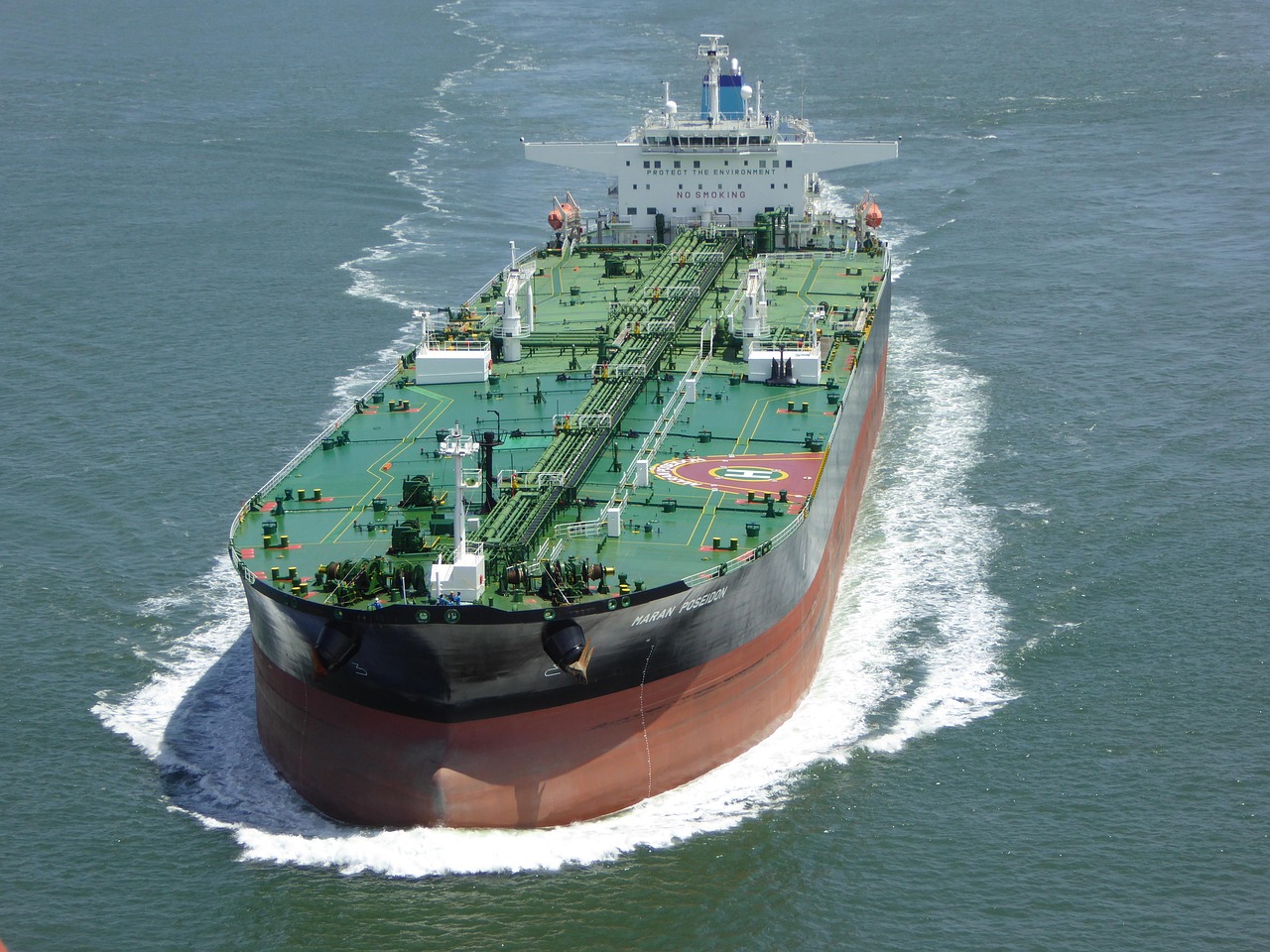
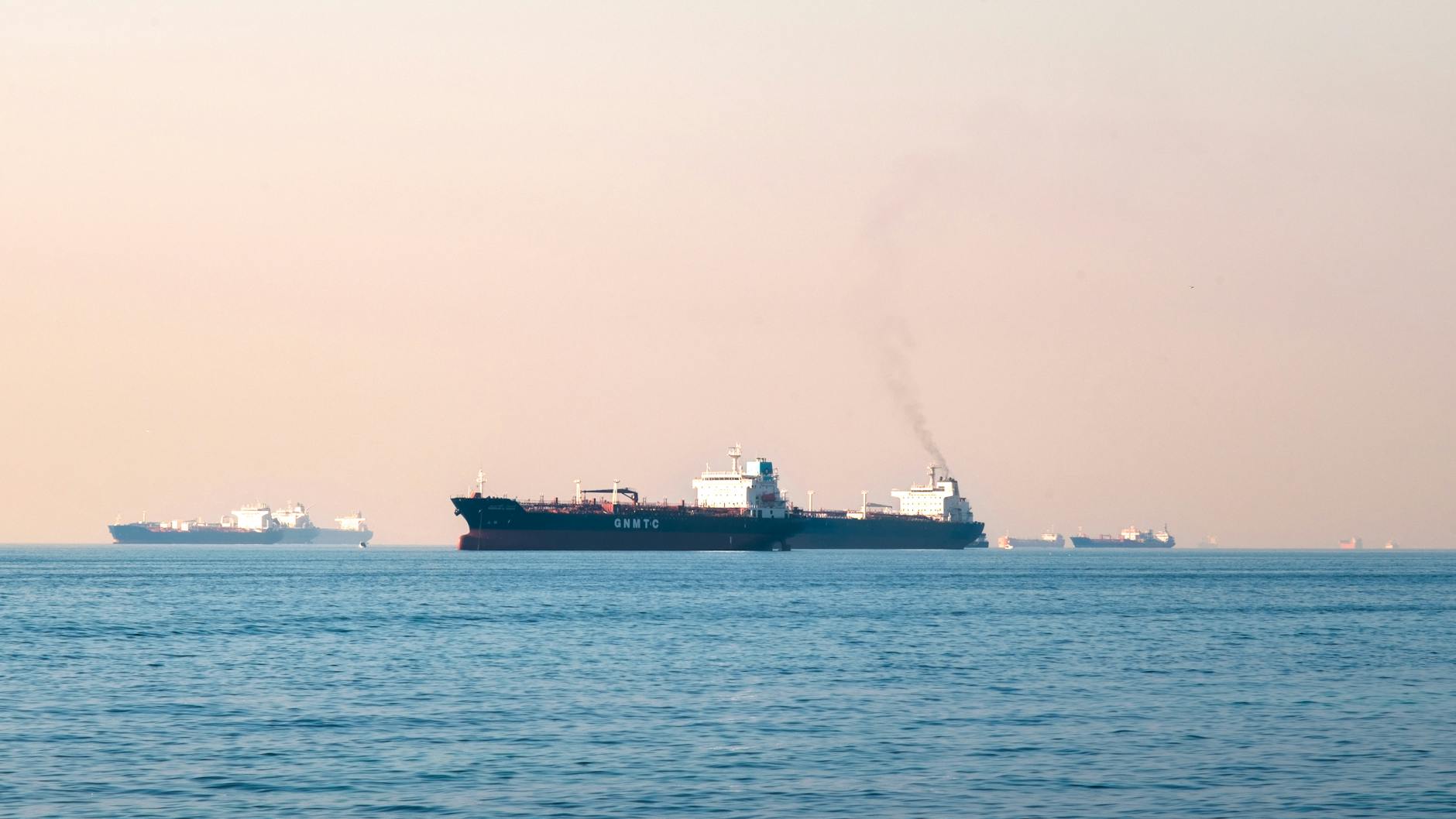
About 20 per cent of the world’s oil and LNG flows through Hormuz in peacetime. The market does not need a total closure to lift prices. Longer rerouting, higher war-risk insurance, reduced tanker willingness and uncertainty over future naval incidents can all support crude before the physical shortage becomes obvious. The Guardian reported this month on the UAE’s effort to expand bypass capacity, which is a reminder that the region itself is investing on the assumption that Hormuz cannot be treated as a frictionless lane.
Here the user-affected perspective becomes hard to ignore. BBC’s explainer on UK fuel prices says wholesale markets are still anchored on Hormuz status, while The Hill’s report on nationwide U.S. gasoline above $4 shows how quickly the political economy changes once pump prices stay high. Airlines, freight carriers and households do not care whether the initial crude move came from a missile strike or a negotiation impasse. They care about how fast that premium filters through.
Seen from household budgets, one of the consumer questions in the fact pattern already has a partial answer. Gasoline does not move one-for-one with Brent on the same day, but in a market where refined products are already tight, crude shocks transmit faster and more visibly. That is why the uranium dispute matters outside energy trading desks. It keeps alive the prospect that a diplomatic deadlock will become a broader inflation story just as summer demand strengthens.
What happens next
A durable fade in the rally would require more than an absence of new attacks. Markets would need evidence that the negotiations can resolve the stockpile issue and reduce the shipping premium at the same time. One route would be a verified formula for keeping some material inside Iran under tighter monitoring. Another would be Iran giving up enough on the stockpile question to reassure Washington and the Gulf states that Hormuz will not remain a bargaining chip. Until then, each headline is likely to be read through both the nuclear file and the tanker route.
Thursday’s jump still looked important even after prices eased off the highs. The market was not only responding to the possibility of fewer barrels. It was responding to the possibility that the diplomatic channel itself is still too narrow to carry the wider de-escalation story that traders had been pricing. Oil is trading the negotiation as much as the battlefield.
For readers of topofhournews, that is the real signal in this move. A single clause about where uranium sits has become the clearest live measure of whether the Iran talks can still cap regional risk. If Tehran and Washington stay apart on that point, crude will keep absorbing the doubt first, and consumers will feel it soon after.

Pria Kothari
Energy and commodities correspondent covering OPEC, oil markets and the Gulf. Reports from London.