Rubio's India trip makes Iran's oil shock a diplomatic test
Rubio's India energy talks show how the Iran oil shock is forcing US diplomacy, Russian waivers and Gulf supply risk into one negotiation.
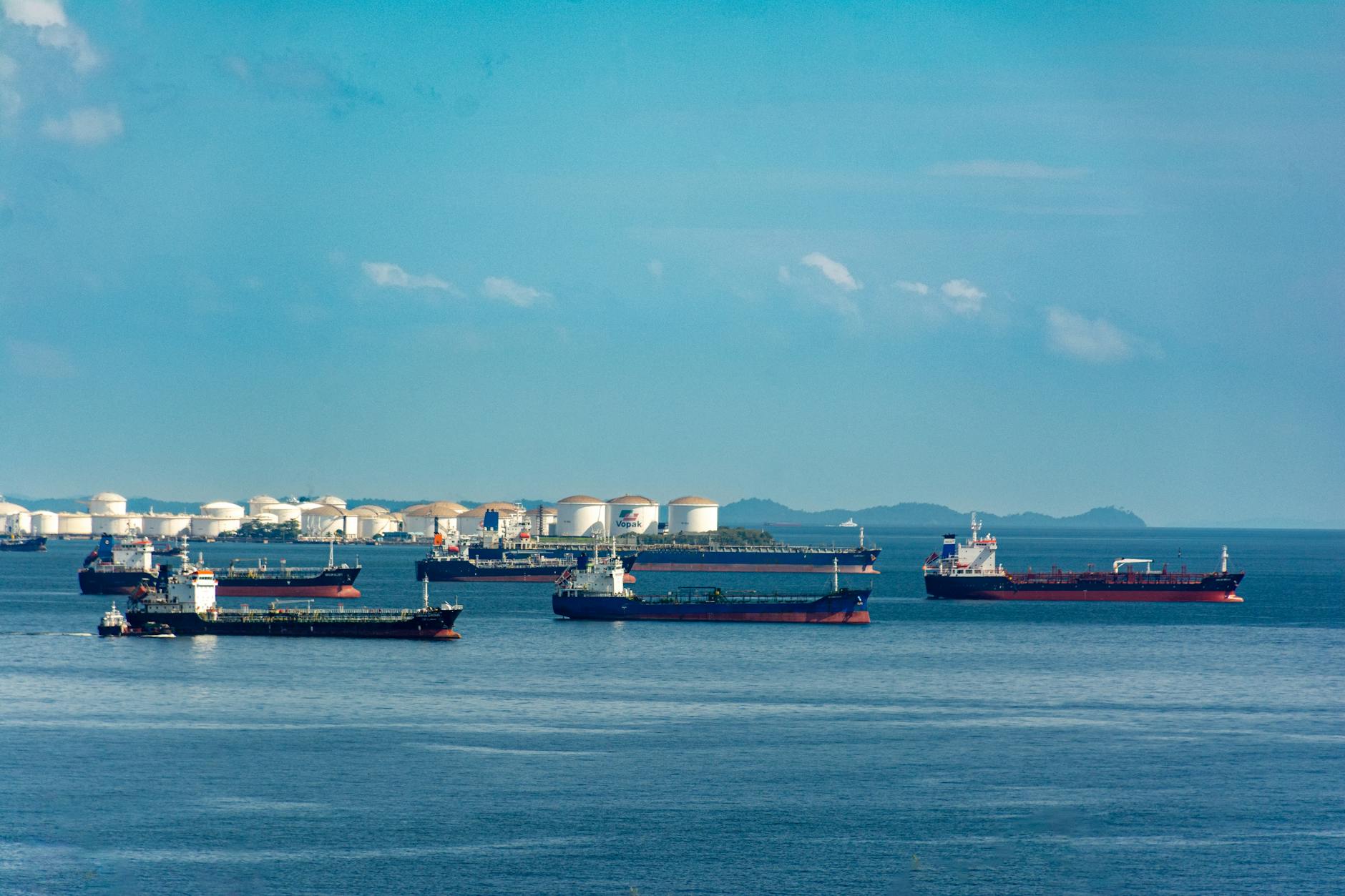
For India’s energy planners, another ceremonial visit was never the point. As the Iran war kept the Strait of Hormuz under strain and crude routes scrambled, Delhi needed evidence that Washington could help blunt a supply shock without forcing India into a strategic choice it could not afford. Secretary of State Marco Rubio arrived with that pitch: more American energy, political reassurance and a broader case that India could stay aligned with the US even as its oil map grew messier.
Beyond protocol, Marco Rubio’s stop in India matters because it folds energy security into a wider test of the relationship. The State Department’s travel notice cast the trip as part of a broader push on bilateral cooperation, and Reuters’ preview of the visit linked it directly to the Iran crisis and the pressure on Asian importers. In practical terms, the visit has become an energy-diplomacy exercise. Washington wants to show India that US barrels and LNG can cushion part of the Gulf disruption; Delhi wants supply flexibility, room on sanctions and a steadier trade relationship.
“We want to sell them [India] as much energy as they’ll buy.”
— Marco Rubio, quoted by BBC News
Viewed from Delhi, the same trip looks less like ceremony and more like stress management. Vineet Prakash’s reading of the trip in the BBC report was blunt: energy security, not optics, is the theme because the Iran shock is not going away soon. Indian refiners and officials are not choosing between Gulf oil and US oil in the abstract. They are deciding how to spread risk across Gulf crude, Russian cargoes, spot purchases and whatever extra US supply can be landed quickly enough and cheaply enough to matter.
“Energy security is going to be the key theme of this visit because the Iran situation is not going to be resolved anytime soon.”
— Vineet Prakash, quoted by BBC News
How much US supply can really help
On the first market question, how much of India’s shortfall American energy can really fill, the answer is modest but real. India gets about 90 per cent of its oil and gas from abroad, so any sustained disruption around Hormuz becomes a balance-of-payments problem as well as a refinery problem. Still, CNBC TV18’s analysis of the visit pointed to the basic commercial limit: US crude and LNG can diversify the basket, but distance, freight costs and refinery configurations make them only a partial substitute for nearby Gulf barrels, not a straight replacement.

For state-run refiners and fuel retailers, the problem is operational rather than ideological. It comes down to yields, shipping times and how much higher cost can be absorbed before it reaches pump prices. Bloomberg’s reporting on India’s measures to stem the oil shock described a government trying to contain the hit to the rupee and the import bill at once. That points to the deeper constraint: an American cargo can calm sentiment, but it cannot quickly rewire a vast refining system built around nearby supply.
Pressure is already spreading beyond the energy ministry. BBC Business reported that Modi has urged Indians to curb dollar-intensive spending on gold and foreign holidays as the war and oil shock strain the economy. Bloomberg later reported that even a record RBI dividend landed below market expectations as the conflict pushed up energy costs and public-finance pressure. Each expensive replacement barrel, then, shows up not just at the refinery gate but eventually in the currency, the budget and household fuel costs.
Even Rubio has been careful not to oversell what Washington can do. In the same BBC interview, he said the US wanted to sell India as much energy as it would buy and was already discussing doing more. The line is politically useful because it tells Delhi the US is willing. It also highlights what Washington has not offered: no volume target, no price commitment and no timetable that would let India treat the US as a one-stop alternative to the Gulf.
Why the waiver question matters
Policy is where that commercial limit starts to bite. If India cannot fully replace vulnerable Gulf flows with American supply, Russian barrels and sanctions flexibility become part of the same negotiation. The 30-day waiver window cited in recent reporting has given Delhi an argument it did not have before the Iran war deepened: forcing a cleaner break from discounted Russian oil while Hormuz remains unstable would raise both market and political costs.

Trade tension already sat in the background before any tanker was delayed. The BBC report put the 2025 US goods trade deficit with India at US$58.2 billion and said India’s exports to the US in the year ended March 2026 reached US$87.3 billion. It also pointed to India’s February commitment to buy US$500 billion in goods under an interim trade arrangement. Energy, then, is not a side conversation. It is one way to keep the wider economic relationship moving while both sides argue over tariffs, sanctions and strategic exceptions.
For Delhi, that creates leverage more than dependence. If Washington wants India to absorb more US supply, stay broadly aligned on Iran and keep the Quad relationship intact, India can ask for more room on waivers and a more predictable trade lane. That is not the same as unlimited negotiating power. It does make India’s requests harder to dismiss as simple hedge-taking.
CNBC TV18’s broader analysis of the visit framed the trip as a chance to reset strained ties across trade, nuclear energy and the Quad. That may be true, but the narrower reading is probably the harder one. Washington is not flying in to redesign India’s energy system. It is trying to keep a crucial Asian partner close during a supply shock, and India is using that urgency to protect its own room for manoeuvre.
Alignment matters more than cargo
Before oil entered the room, the bilateral agenda was already crowded. Reuters’ account of Rubio’s separate Iran talks showed a secretary of state still trying to signal progress on diplomacy while saying more work was needed. The State Department notice put India on the same trip as the NATO foreign ministers’ meeting in Sweden, another sign that this visit is as much about coalition management as commodity trade. Washington needs India aligned enough to be useful, not alienated enough to drift.
Delhi has reasons of its own to avoid a dramatic break. The same Iran shock that has lifted import anxiety has also exposed how much of Asia’s growth model still depends on stable maritime energy flows. Semafor’s reporting on projects meant to bypass Hormuz suggests regional producers are already trying to build around the chokepoint, but that is a medium-term fix. In the short term, India still has to buy fuel, steady its currency and avoid a domestic price shock. Multi-supplier pragmatism is therefore more attractive than any clean geopolitical pivot.
Taken together, Rubio’s offer matters less as a sales pitch than as a signal about how Washington now reads the India relationship. The US can sell cargoes and help calm markets at the margin. It cannot, at least not yet, erase the geography that keeps Gulf supply central to India’s energy security. The real test of the trip is whether it produces a looser sanctions posture, a steadier trade conversation and enough political trust for India to stay close while still buying from everywhere it needs to.
Should that happen, the Iran war will have done more than jolt oil prices. It will have pushed US diplomacy onto India’s energy doorstep and turned every tanker, waiver and trade concession into part of the same strategic bargain.

Pria Kothari
Energy and commodities correspondent covering OPEC, oil markets and the Gulf. Reports from London.