Senegal president fires PM Sonko and dissolves government
President Bassirou Diomaye Faye removed Ousmane Sonko as Senegal tried to restart IMF talks after hidden debt shook lender confidence.
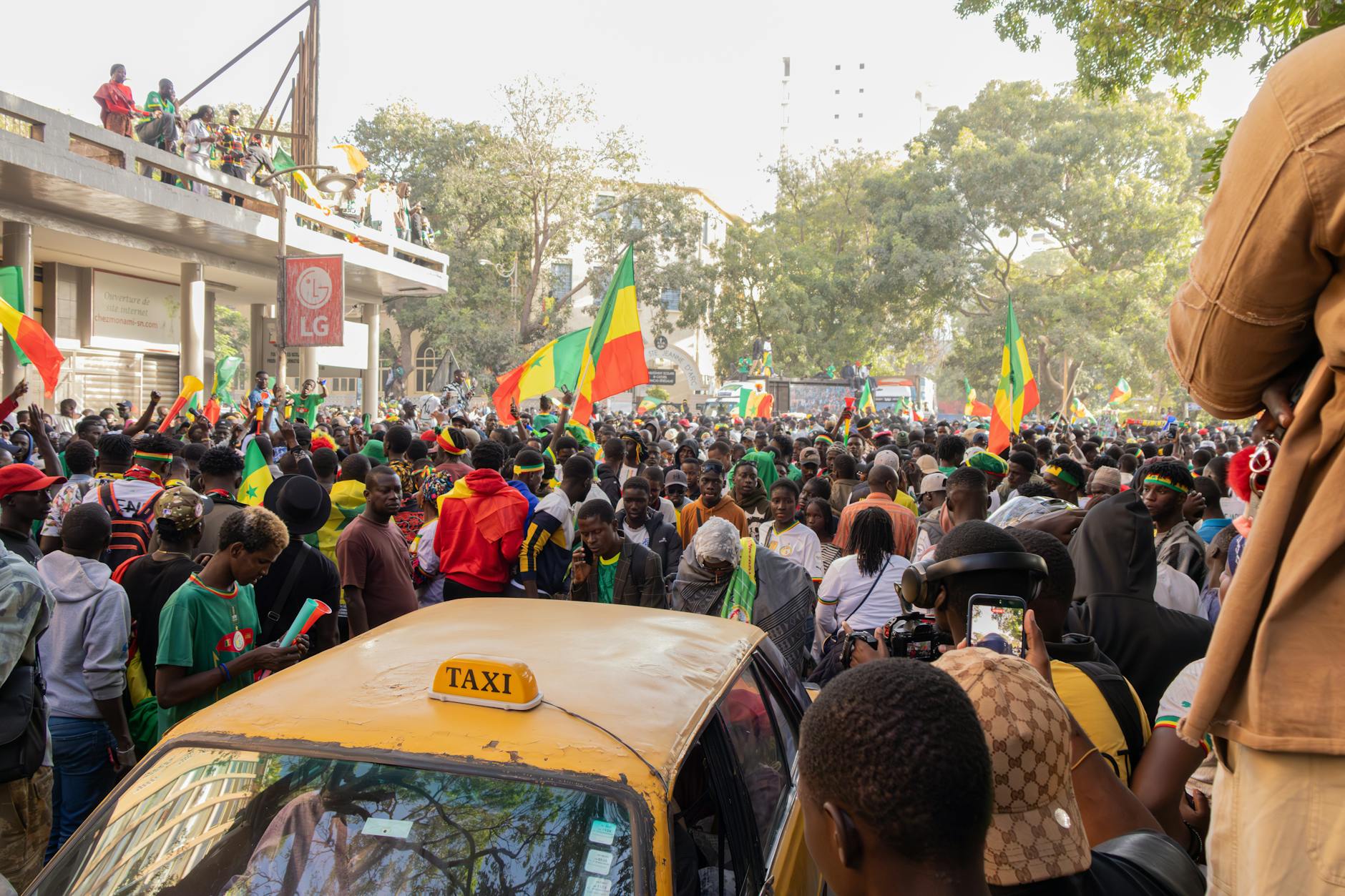
Senegal President Bassirou Diomaye Faye fired Prime Minister Ousmane Sonko and dissolved the government on Friday, shattering the alliance that brought both men to power and thrusting Senegal’s debt crisis deeper into the country’s politics.
The dismissal came as Dakar tried to reopen talks with the International Monetary Fund after hidden debt forced a halt to external financing. For creditors, the immediate question is simple: who now controls economic policy and who can negotiate for the state without contradiction from the top of government.
The break had been public for weeks. In March, Sonko said his party could leave the government if Faye moved away from its political project. Earlier this month, Faye warned Reuters that the ruling party was on a path that could lead to its downfall. The dispute was no longer confined to private talks.
Debt explains the urgency. Semafor, citing IMF estimates, said Senegal’s debt reached 132 per cent of gross domestic product at the end of 2024. Reuters and Semafor also said hidden borrowing is now estimated at around $13 billion. Those figures turned a political split into a test of whether Dakar can still present reliable numbers to lenders.
Reuters reported that the IMF suspended a $1.8 billion lending programme after the misreporting surfaced. Sonko attacked the proposed remedy in November, calling an IMF-backed debt overhaul “a disgrace”.
Faye’s office took a different line on May 12. It told Reuters the president was personally handling the talks: “This is an issue the President is personally committed to and to which he is dedicating all his energy.”
Finance Minister Cheikh Diba said Senegal planned to resume talks with the IMF on June 8 and reach agreement on key points by June 30. That timetable gives Faye little time to install a new cabinet and show lenders that one chain of command is back in place.
For lenders, the issue is not only the size of the debt. They also want one timetable, one set of numbers and one negotiating line from Dakar before the next phase of talks begins.
What happens next
Faye won 54 per cent in the rescheduled 2024 presidential election, but Sonko remained the movement’s strongest organiser and its most combative public voice. Removing him gives the president more room to choose ministers who back his line on debt talks and cabinet discipline. It also leaves open how much influence Sonko will keep if he remains outside government.
Senegal is watched closely because it has long been seen as a relatively stable democracy in a region hit by coups and fiscal strain. Investors, multilateral lenders and neighbouring governments will now judge how quickly Faye can name a team and return to talks. If he does, Dakar can try to reset relations with creditors before the end of June. If he does not, the dismissal will deepen doubts about both policy and control.

Yara Halabi
Foreign affairs correspondent covering the Middle East, the Gulf and US foreign policy. Reports from London.