Bolivia deploys troops to clear roadblocks near La Paz
Bolivia deployed about 3,500 soldiers and police to clear roadblocks outside La Paz, escalating a protest crisis into a test of state control.
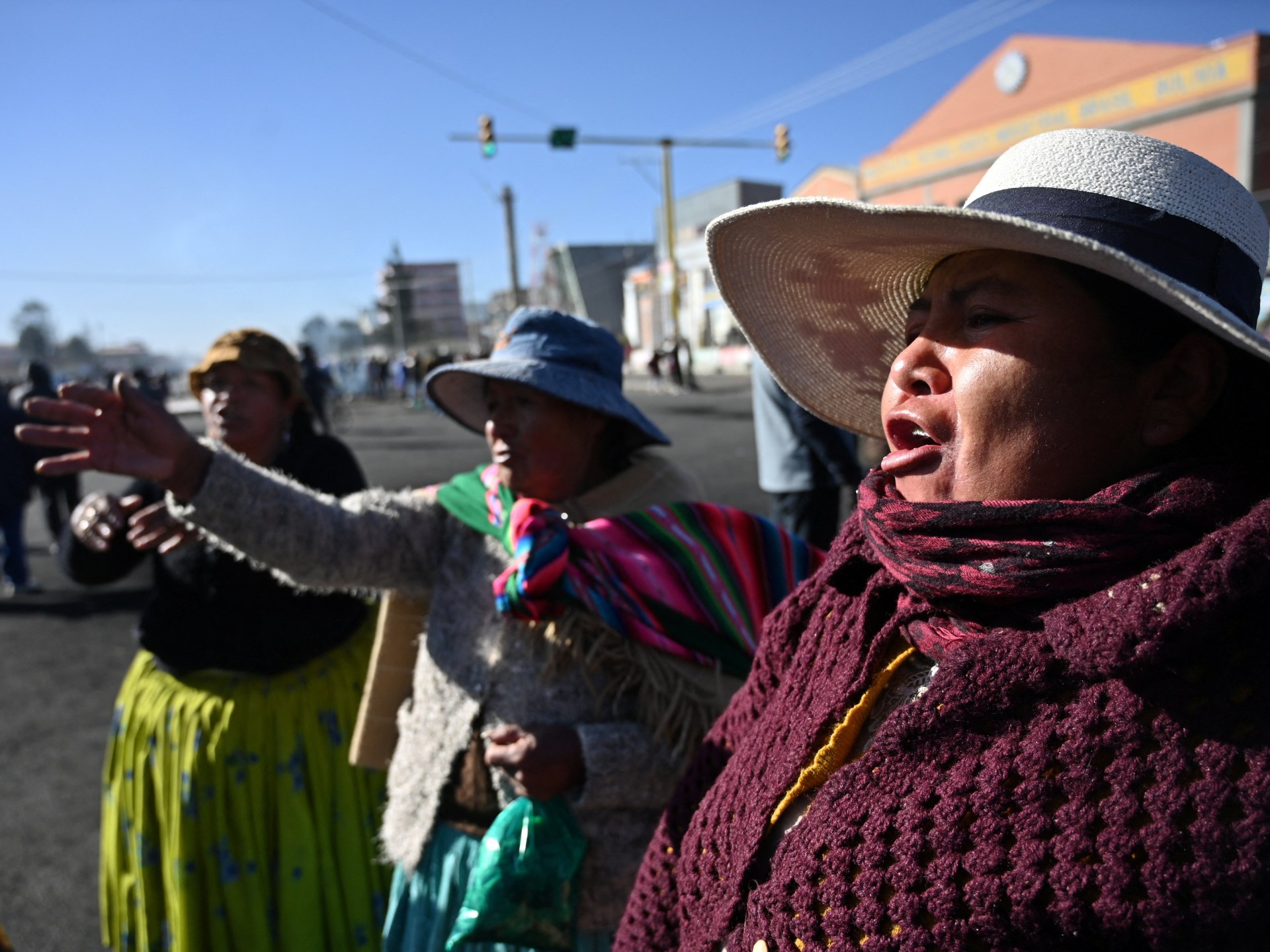
Bolivia sent about 3,500 soldiers and police to clear protest roadblocks outside La Paz before dawn on Saturday, an operation that Al Jazeera said left 57 people arrested and turned a weeks-long political standoff into a direct test of state control. The blockades had cut road access to the capital after days of anti-government protests, tightening pressure on President Rodrigo Paz’s administration as it contended with shortages and rising public fury.
The roads around La Paz carry food, fuel and medical supplies into the city — they are supply lines, not just commuter routes. By sending security forces to break the blockades rather than waiting for them to dissolve, Paz chose force against a problem his government had until now treated as a political dispute. Whether the operation reopens the routes will determine if the government restores everyday control or has widened the crisis it set out to contain.
Government spokesperson Jose Luis Galvez said the aim was a “humanitarian corridor” after the blockades halted the movement of people and goods. Three people died because they could not reach hospitals, officials told Al Jazeera, lending the government a public-health case alongside its security argument. Authorities estimated 22 roadblocks had gone up across Bolivia in recent weeks — evidence the confrontation stretched well beyond one flashpoint outside the capital.
Street pressure is unlikely to evaporate because a single sweep succeeds. Former president Evo Morales said protests would continue unless the government tackled fuel, food and inflation. “As long as the structural demands such as fuel, food, and inflation are not addressed, the uprising will not be halted,” Morales told Reuters. The remark pointed to the deeper difficulty for Paz: even if troops reopen the roads, the shortages and price rises that feed the unrest remain untouched.
The crisis had already produced open clashes before Saturday. Reuters reported on Wednesday that mining groups marched into La Paz demanding Paz’s resignation and fought with police — a sign the unrest had moved from roadside disruptions into the capital. AFP described officers battling protesters who were blocking roads elsewhere, confirming the government faces a national political emergency rather than an isolated local dispute.
What happens next
The immediate test is whether clearing the blockades buys the government time or triggers a wider backlash. If the roads reopen but fuel and food remain scarce, reopening the routes may do little to calm the anger behind the protests. More arrests, injuries or deaths could also pull in new groups, particularly if the crackdown is read as proof that Paz has set aside negotiation for coercion while the underlying grievances stand.
Deploying 3,500 security personnel near the seat of government is itself a message. It signals that Paz sees the blockades as a threat to state stability, not a policing matter. That may reassure supporters who want tougher action. But it also raises the stakes: if the show of force fails to bring normal movement back to La Paz, the operation risks becoming a rallying point for opponents who already want the president removed.
The next phase hinges on whether authorities can keep the main routes open and whether protest leaders answer with fresh blockades, larger marches or broader demands. The predawn deployment has made it harder to treat Bolivia’s political crisis as a temporary disruption. It is a live test of how much force Paz is prepared to deploy — and how much resistance the streets can mount — before the confrontation worsens.

Yara Halabi
Foreign affairs correspondent covering the Middle East, the Gulf and US foreign policy. Reports from London.