Bolivia protests test democracy ahead of supply talks
President Rodrigo Paz said Bolivia's protests and roadblocks are testing democracy as officials prepare humanitarian corridors and possible talks.
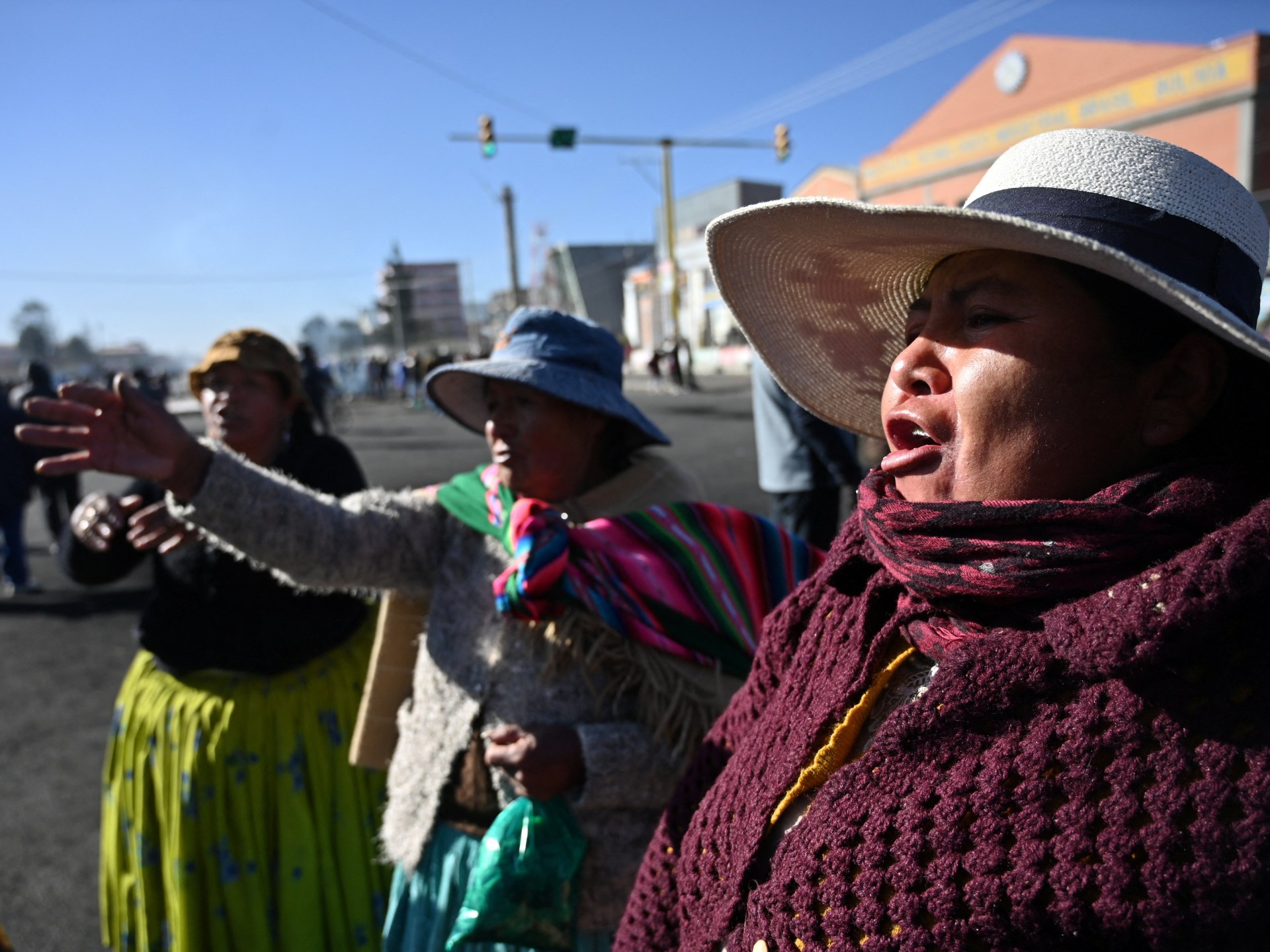
Bolivia’s anti-government protests and roadblocks are straining supplies and testing the country’s democratic transition ahead of possible talks, President Rodrigo Paz said on Saturday, as officials prepared emergency routes for food and fuel after nearly four weeks of unrest.
The crisis has become more than a street-order problem. In an interview with Bloomberg Television’s Wall Street Week, Paz said the blockades now touch governability, investor confidence and Bolivia’s effort to reopen to the world economy. He has been in office about six months and has said his election ended two decades of socialist rule.
For Paz, the confrontation has become a test of whether the new administration can keep the political system working while shortages deepen.
“There are many internal and external interests in making this democracy fail and generating regional disorder,” he said in the Bloomberg interview.
Authorities said they would open humanitarian corridors on Saturday to move supplies through the blockades, a sign of how quickly the protests have spilled into daily life. The plan was aimed at easing pressure on fuel deliveries, food shipments and normal transport links while police tried to keep essential routes open.
Roadblocks entering a fourth week have turned the unrest into an economic problem as well as a political one.
Each lost day leaves officials balancing crowd control against the need to keep staples moving. That is why the corridors carry political weight as well as logistical urgency.
The unrest has unfolded against the backdrop of Paz’s promise to break with the era associated with former president Evo Morales. Six months into his presidency, he is trying to show that a change in leadership can coexist with institutional order even as clashes between police and protesters harden the public mood.
Paz has also tried to signal sacrifice. He said he had cut his salary by 50 per cent to about 24,000 bolivianos a month, casting the move as proof that his government would share the burden of the crisis.
What comes next
The immediate question is whether talks can turn the humanitarian corridors into a political off-ramp. Paz’s government is trying to stop the blockades from becoming a broader challenge to state authority, while protesters are using roadblocks to force concessions at a moment when shortages and political fatigue are feeding public anger.
Any negotiation is likely to be judged first on whether supplies start moving quickly enough to calm the streets. That will be the first test of whether the government can convert an emergency measure into a broader easing of tensions.
Paz has framed the unrest as part of a wider effort to generate regional disorder, language that raises the stakes before formal talks begin.
He said the dispute now reached beyond one round of demonstrations: “This is a problem over whether democracy in Bolivia is viable or not.”
If the corridors fail and talks stall, Bolivia will face another week of damaged supply lines and a deeper test of Paz’s ability to govern.

Yara Halabi
Foreign affairs correspondent covering the Middle East, the Gulf and US foreign policy. Reports from London.