Trump returns from China to renewed inflation pressure
Trump returned to Beijing to a hotter inflation reading, leaving a thin summit outcome to compete with higher prices and tariff doubts at home.
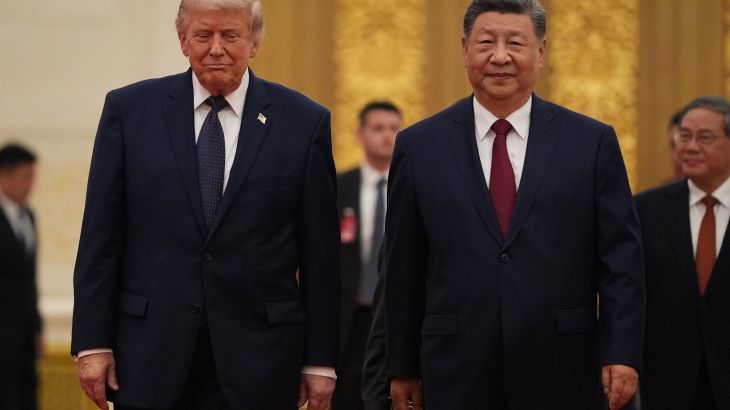
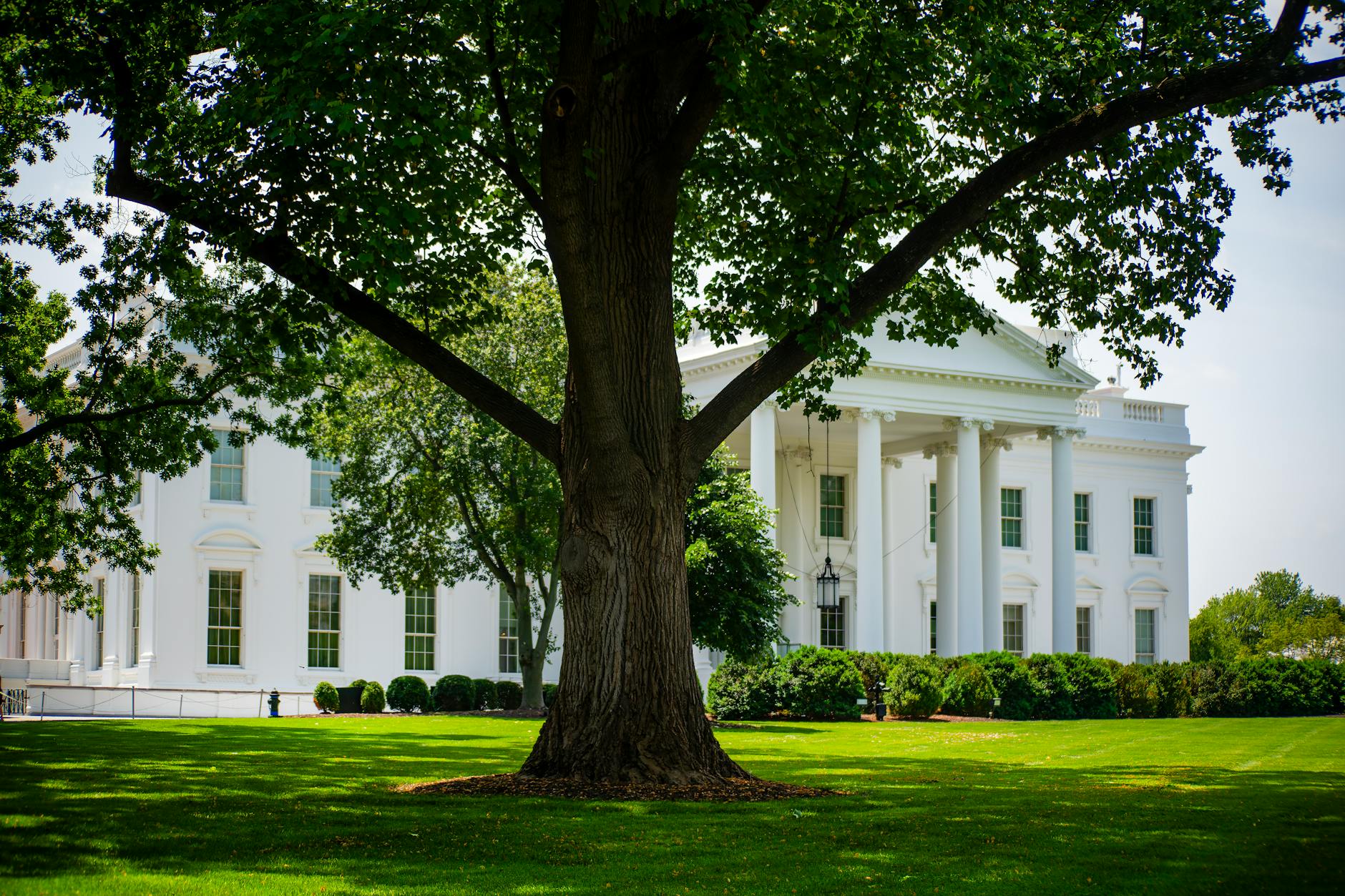
President Donald Trump returned to Washington from Beijing on Saturday with a sharper domestic problem than the one he left: U.S. consumer prices rose 3.8 per cent in April, according to PBS News / AP, with little sign the trip will quickly ease the strain households feel at home.
That single number is the immediate measure of the visit. The White House came back with photographs, ceremonial warmth and talk of a steadier relationship with China. What it did not bring home was a broad tariff rollback, a clear anti-inflation package, or evidence that higher costs will soon reverse. The meetings projected stability while leaving the larger stalemate intact, as Reuters noted in its post-summit analysis.
Trump called the talks “fantastic trade deals, great for both countries”. Xi Jinping described them as “historic and landmark”. Yet BBC reported that few concrete agreements were publicly confirmed beyond Trump’s claim that China would buy 200 Boeing jets and could eventually take another 750 planes. Those are headline-friendly numbers, not broad household relief across the U.S. economy.
The inflation backdrop makes that gap harder to ignore. April consumer inflation accelerated to 3.8 per cent, PBS News / AP said, while the Cleveland Fed’s May estimate stood at 4.2 per cent. Rising petrol costs tied to the Iran war were a major driver, Bloomberg reported. The president is trying to claim economic momentum from a China trip at the same moment energy prices are doing political damage at home.
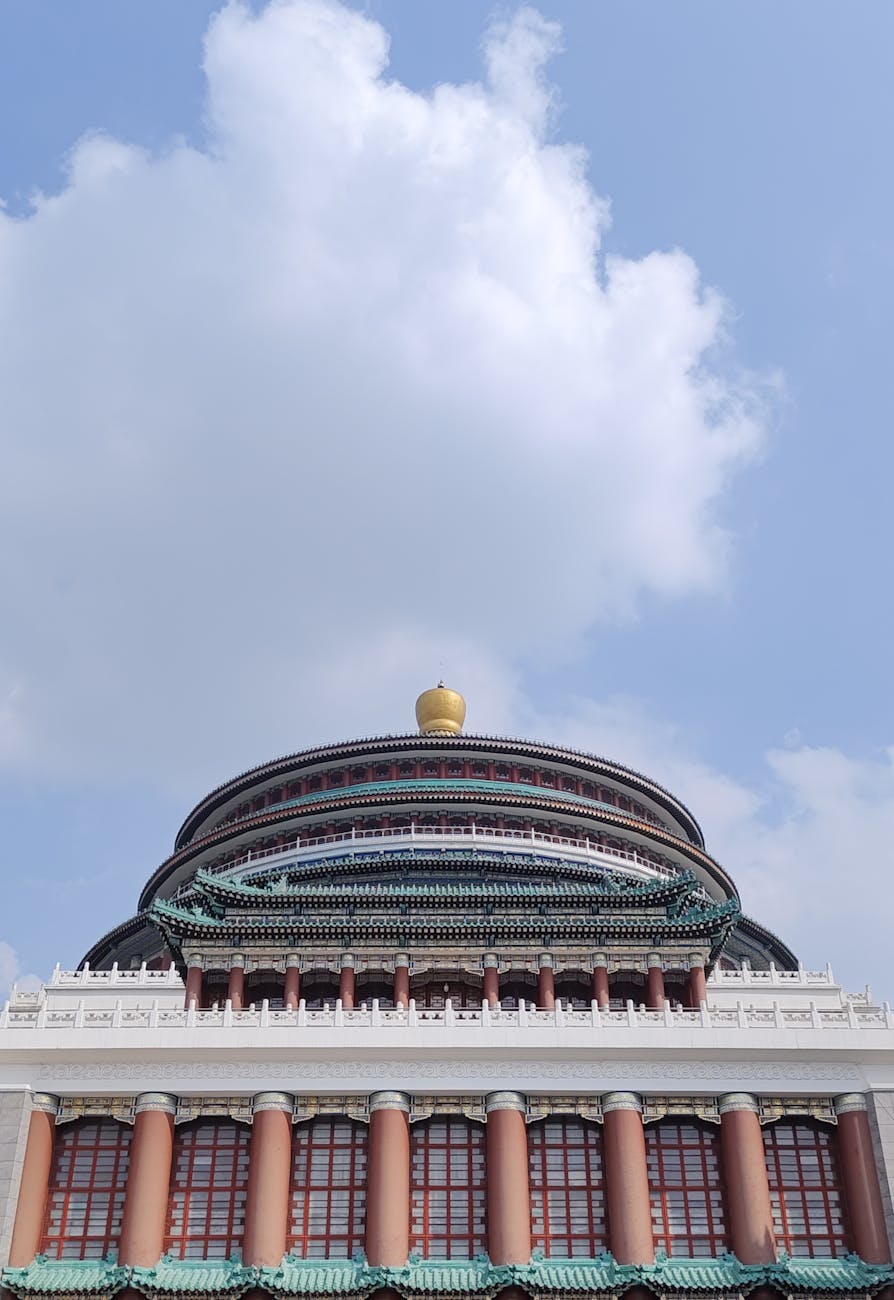
From the start, the Beijing meetings were always likely to be judged less by the choreography in the Great Hall than by whether they changed the cost outlook for U.S. voters. On that test, the administration still has more argument than proof. A visit that lowers the temperature can calm markets, reduce the risk of a fresh tariff escalation and create space for negotiators. But consumers do not buy diplomacy as an abstraction. They experience inflation in monthly bills, petrol receipts and store shelves.
All week Trump presented the trip as proof he could manage both rivalry and commerce with China. The first hard data point waiting at home was not a tariff cut or a consumer-price breakthrough. It was an inflation reading that moved in the opposite direction. The sequencing turns the summit into a test of follow-through rather than a stand-alone win.
Thin trade relief
The clearest economic idea to emerge from the talks was the possibility of a managed trade mechanism. Officials were weighing a Board of Trade and a basket of purchases worth roughly $30 billion to $50 billion in exchange for limited tariff reductions, Reuters reported in a pre-summit dispatch carried by Finance & Commerce. U.S. Trade Representative Jamieson Greer was presented as a central player in that design.
A managed purchase basket is not the same as a broad disinflation strategy. Aircraft orders or farm goods can improve the optics of a relationship. They do not change the near-term picture for households dealing with fuel costs, tariff-sensitive goods and a trade policy that has never settled into a cheaper equilibrium. A narrow commercial win can look substantial in a summit readout while barely registering in the inflation debate in Washington.
A Board of Trade could still matter if it created a predictable channel for specific purchases and lowered the chance of another tariff shock. Business planning would benefit, and a White House looking to show that summit diplomacy produces measurable next steps would have something to cite. But the mechanism is slower and narrower than the one voters use when they decide whether the cost of living is easing. A calmer trading relationship may help the backdrop without rewriting the next CPI release.
Craig Singleton said the summit “projected stability but it left the stalemate intact.” The line fits the economic readout as much as the diplomatic one. Trump may have reduced the risk of a fresh rupture with Xi in the short term. He did not show that the administration has found a quick route from Beijing pageantry to lower costs for American families.
The missing piece is breadth. If tariffs remain largely in place and the hardest disputes stay for later rounds, any gains from the visit are more likely to arrive as sector-by-sector accommodations than as a broad shift in the U.S. cost base. That matters politically: the White House is operating on a shorter clock. Voters will hear about a Board of Trade, but they will judge it against what they pay before the summer is out.
The administration has limited room to lean on the symbolism of resumed business ties. Investors may welcome a pause in confrontation, but families deciding whether conditions feel better will not experience a prospective purchase basket on the same timetable as a published CPI report. That mismatch is where the Beijing trip looks exposed.
The problem at home
Trump can still argue that avoiding a worse outcome counts as progress. A renewed tariff spiral with China would have added more uncertainty to supply chains and upward pressure on prices. Holding the line has value. But the politics of inflation are not neutral. An administration does not get much credit for keeping a bad trend from worsening when the published number is already 3.8 per cent and a closely watched regional Fed estimate points to 4.2 per cent in the following month.
That leaves the White House with a narrow communications problem and a larger policy one. Proving Beijing produced more than theatre is the communications challenge. The policy problem is that some of the inflationary pressure sits outside the summit entirely. Bloomberg’s reporting on petrol prices tied the April acceleration in part to the Iran war, an external shock that no amount of diplomatic ceremony with Xi can neutralise. A trade thaw can help at the margins while leaving the main story unresolved.
The Boeing claim should be treated carefully. If China follows through on large aircraft purchases, Trump will have a concrete commercial talking point and U.S. manufacturers will have a real win. But aircraft orders are long-cycle industrial deals that do not lower weekly petrol bills or remove the tariff burden on a wider range of goods. They are easier to announce than to translate into broad consumer relief.
Over the next few weeks, the administration will need something more concrete than summit mood music: a defined purchase list, an observable tariff concession or proof that the proposed Board of Trade exists beyond the talking points. Without it, the visit risks being remembered as a pause sold as progress while inflation remained the more durable headline at home.
For now, the Beijing trip looks less like an economic turning point than an attempt to buy room. It may slow the deterioration in U.S.-China ties and give Greer a narrower lane for follow-on talks. The home front, though, will test the trip against a simpler standard. If inflation stays hot, the images from the Great Hall will fade quickly, and the administration will be left explaining why a summit sold as a stabilising moment did not do more to change the numbers Americans see at home.

Marcus Holloway
Markets editor covering UK gilts, sterling and the Bank of England. Previously a fixed-income strategist in the City.