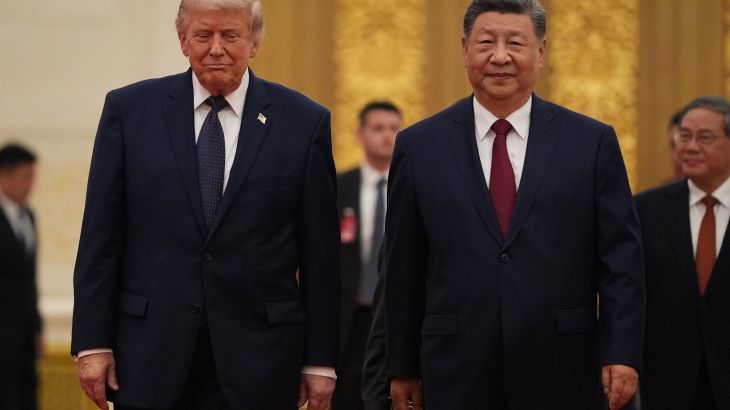
White House says China to buy $17bn of US farm goods
The White House said China will buy at least $17 billion of US farm goods a year through 2028, though Beijing has not publicly endorsed the figure.
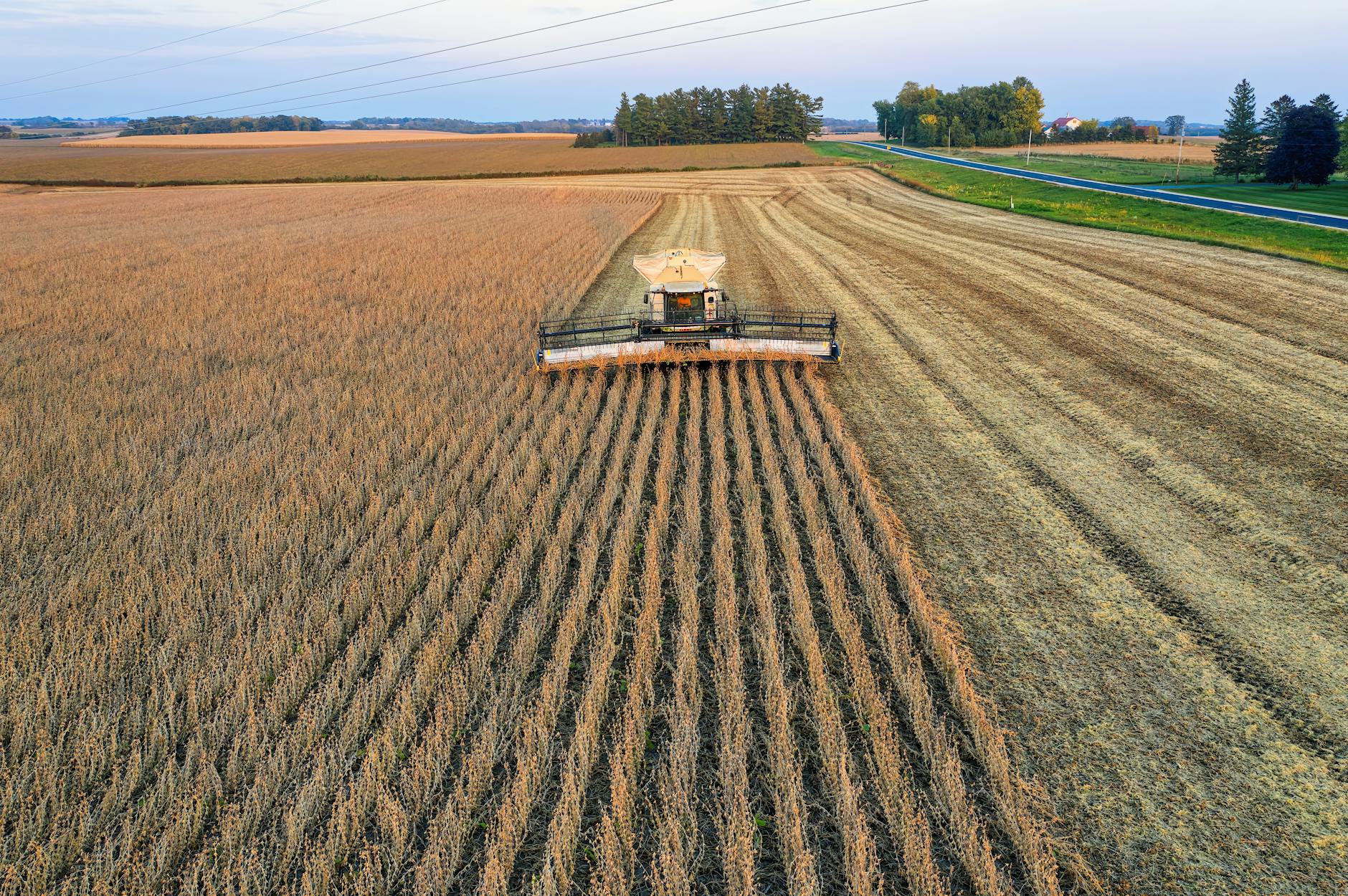
The White House said in a fact sheet that China has agreed to buy at least $17 billion of US agricultural products a year through 2028. It is the first quantified trade result from Donald Trump’s summit with Xi Jinping. The administration cast the pledge as a direct win for US farmers, but Beijing has not publicly matched that annual figure in its own account of the talks.
For Trump, the claim supplies a domestic talking point after a summit whose trade outcomes had produced little beyond broad statements of goodwill. It is also the first number likely to be checked against future shipping data.
Alongside the farm commitment, the White House’s account lists other commercial steps: a soybean commitment of 25 million metric tons a year from an October 2025 US-China agreement, Chinese approval for an initial purchase of 200 Boeing aircraft, and the renewal of registrations for more than 400 US beef facilities. The package is meant to show the summit yielded more than goodwill.
Trump had previewed the farm element before the White House released the new number. “The farmers are going to be very happy. They’re going to be buying millions of dollars,” he said, according to Reuters. His remark signalled confidence but did not spell out the annual target or explain how the commitment would be measured across commodities and crop years.
Beijing described the outcome more cautiously. In a statement quoted by Politico, China’s commerce ministry said the two sides had “agreed to promote two-way trade, including in agricultural products, through arrangements such as mutual tariff reductions on a range of products”. The language pointed to broader trade easing, but it stopped short of publicly endorsing the $17 billion annual figure — a silence The South China Morning Post noted by framing the number as a US claim rather than a Chinese declaration.
Why follow-through matters
Reuters reported that US farm exports to China fell 65.7 per cent in 2025 to $8.4 billion. On the White House’s own numbers, the new annual target would be more than double that total. Even a partial recovery would matter for American growers, grain handlers and the Midwestern farm belt that has long relied on Chinese demand as a major outlet — and learned to treat it as a recurring source of risk. Exporters, barge operators and farm groups would also watch closely for evidence that trade diplomacy is changing real orders, not just the relationship’s tone.
That makes follow-through the central question.
Behind the headline, the proposal revives a familiar model: a large round number first, verification later. The unanswered questions are practical. What products will count toward the target? When will orders appear? Will tariff relief last long enough to support sustained trade? Commercial demand, shipping schedules and Beijing’s willingness to direct state buyers can all determine whether headline targets become booked sales. Neither Washington’s fact sheet nor Beijing’s public wording answered those questions in detail, according to the Politico and SCMP accounts.
Trump can use the figure to argue that summit diplomacy delivers for farmers. For Xi, wider agricultural buying could steady a tense relationship without requiring Beijing to echo every White House headline.
For now, the $17 billion claim is the summit’s clearest trade metric and its first test of follow-through. If purchases rise meaningfully, Trump will be able to point to a visible economic result. Should they fall short, the figure may join the list of US-China trade promises that sounded concrete before the shipping data arrived.

Ramona Castellanos
US politics correspondent covering Congress, primaries and the Trump administration. Reports from Washington.