Trump invites Xi to US for September state visit
Trump said Xi Jinping would visit the White House on Sept. 24, extending summit diplomacy even as disputes over Taiwan, technology and Iran remain unresolved.
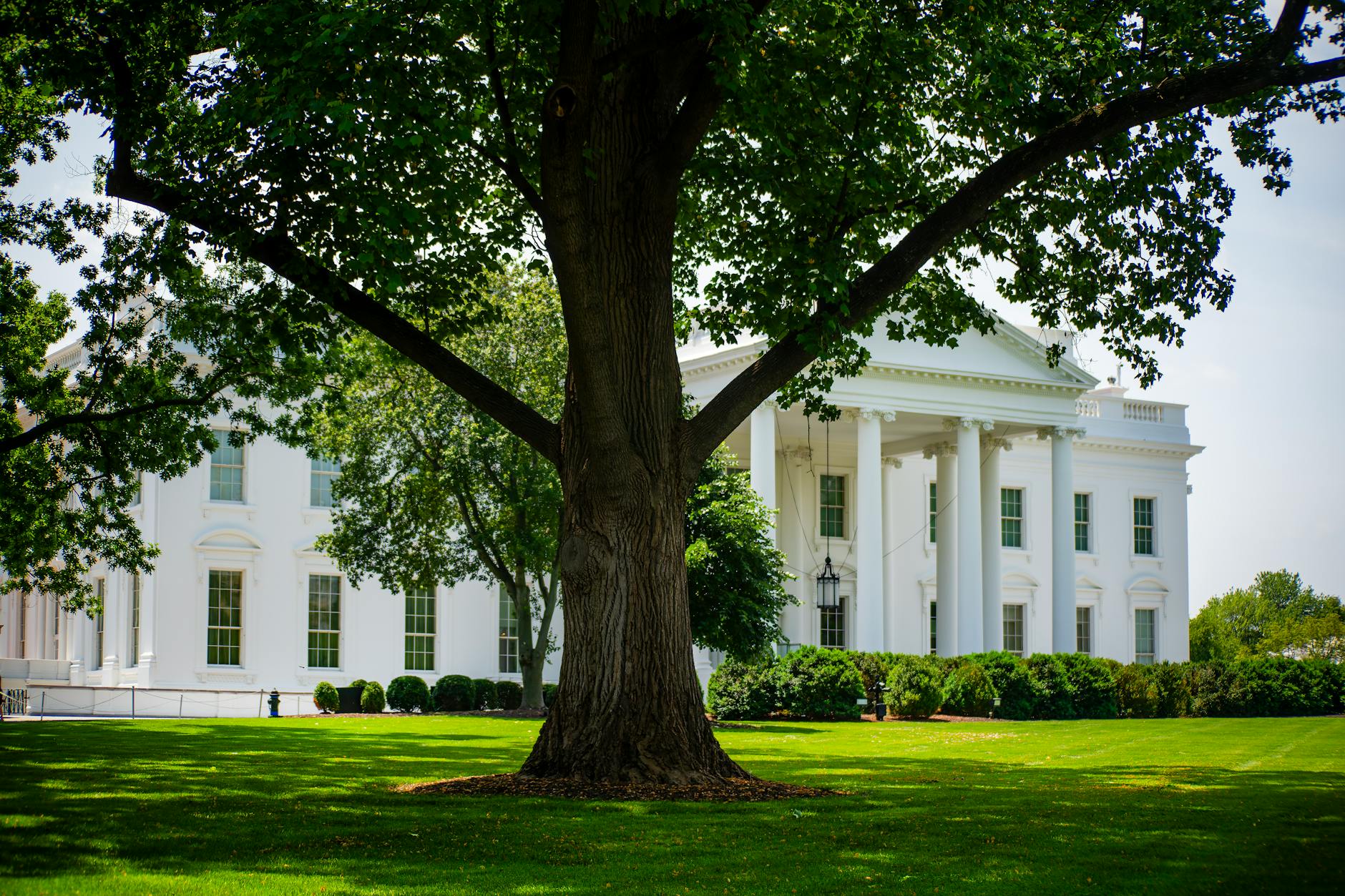
President Donald Trump said Xi Jinping would visit the White House on Sept. 24, setting up the Chinese leader’s first state visit to the United States in more than a decade. The invitation, reported by Reuters and the South China Morning Post, followed a Beijing summit that produced little in the way of major agreements.
The proposal signals that both capitals intend to sustain leader-level diplomacy even after this week’s talks left core disputes untouched. That calculus matters for a bilateral relationship still defined by fights over Taiwan, technology controls, Iran and trade. It also extends a pattern in which direct Trump-Xi contact has resumed faster than either side has moved toward substantive compromise.
Trump cast the visit as part of a longer calendar. Xi could come to Washington in September and the two presidents might meet three more times this year, SCMP reported. “I’d like him to come,” Trump said. He later added: “I’m gonna try to be there.” Trump framed the invitation as a continuation of the Beijing summit, not a breakthrough, and neither news organization reported any wide-ranging accord emerging from the talks.
The distance between atmospherics and outcomes showed in what the summit left unresolved. NBC News reported that Trump departed China describing “very good” talks with Xi while leaving the hardest questions in the relationship open. Trump said China would buy 200 Boeing aircraft, according to NBC, and added that he would decide on a $14 billion Taiwan arms package, a long-delayed sale Beijing has repeatedly condemned. Larger fights over export controls, security policy and Taiwan stayed unresolved.
Trump’s public remarks also left unclear how much of the autumn agenda the two governments had settled. Neither the Reuters report on the White House invitation nor SCMP’s account of Trump’s comments described a package of agreements ready for signing. The September date reads more like a pledge to keep talking than proof the two sides have closed the disputes that dominated the summit.
What remains unresolved
Those disputes span almost every friction point in the relationship. Taiwan is the most acute security flashpoint. Technology controls and rare-earth supply chains sit at the centre of the economic contest. Iran was also among the issues identified in post-summit assessments. A state visit will unfold inside that context, not apart from it.
Craig Singleton, senior director of the China program at the Foundation for Defense of Democracies, told NBC that “Technology, Taiwan, Iran, rare earths, and supply-chain dependence remain unresolved.” His framing captured the limit of the Beijing meeting: ceremonial progress keeps diplomatic channels open, but it does not narrow the policy gaps that generate the sharpest friction between the two powers.
The planned trip carries symbolic weight. SCMP noted it would be Xi’s first state visit to the United States in more than a decade, a measure of how far leader-level engagement had dropped before both sides returned to summit diplomacy this year. A state visit brings protocol, pageantry and extended face time, but the September date also gives officials from both governments months to decide whether they can attach even modest deliverables to the occasion.
For now, the signal from Washington is narrower than a reset. Trump is keeping the line open after a summit that yielded optics, a few commercial claims and talk of additional meetings, but no settlement on the disputes that matter most to both governments.
If the visit goes ahead as Trump outlined, it will carry that process into the autumn. Both sides would then face another test of whether regular leader contact can endure unresolved conflict.

Yara Halabi
Foreign affairs correspondent covering the Middle East, the Gulf and US foreign policy. Reports from London.