Trump to speak with Taiwan president in diplomatic break
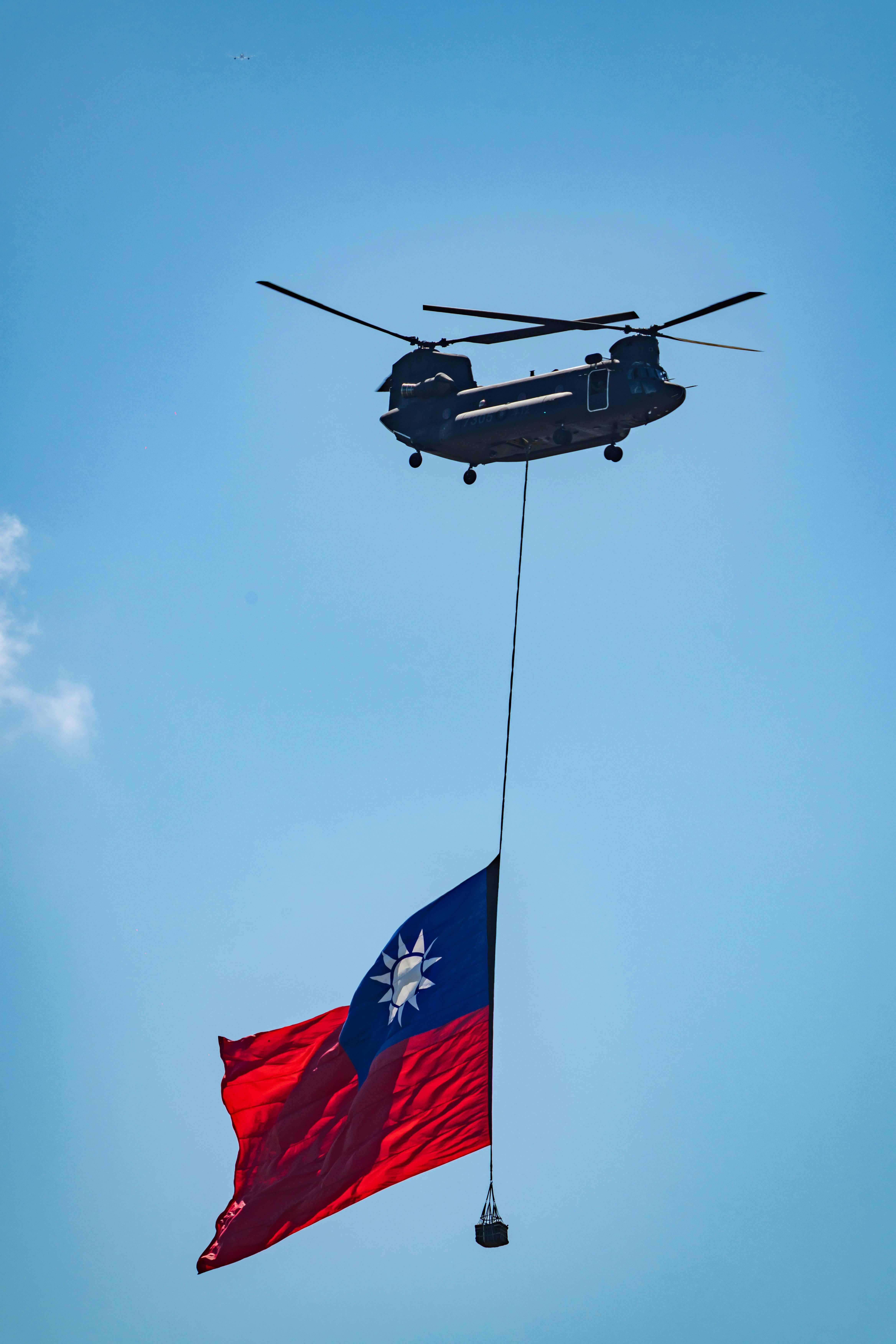
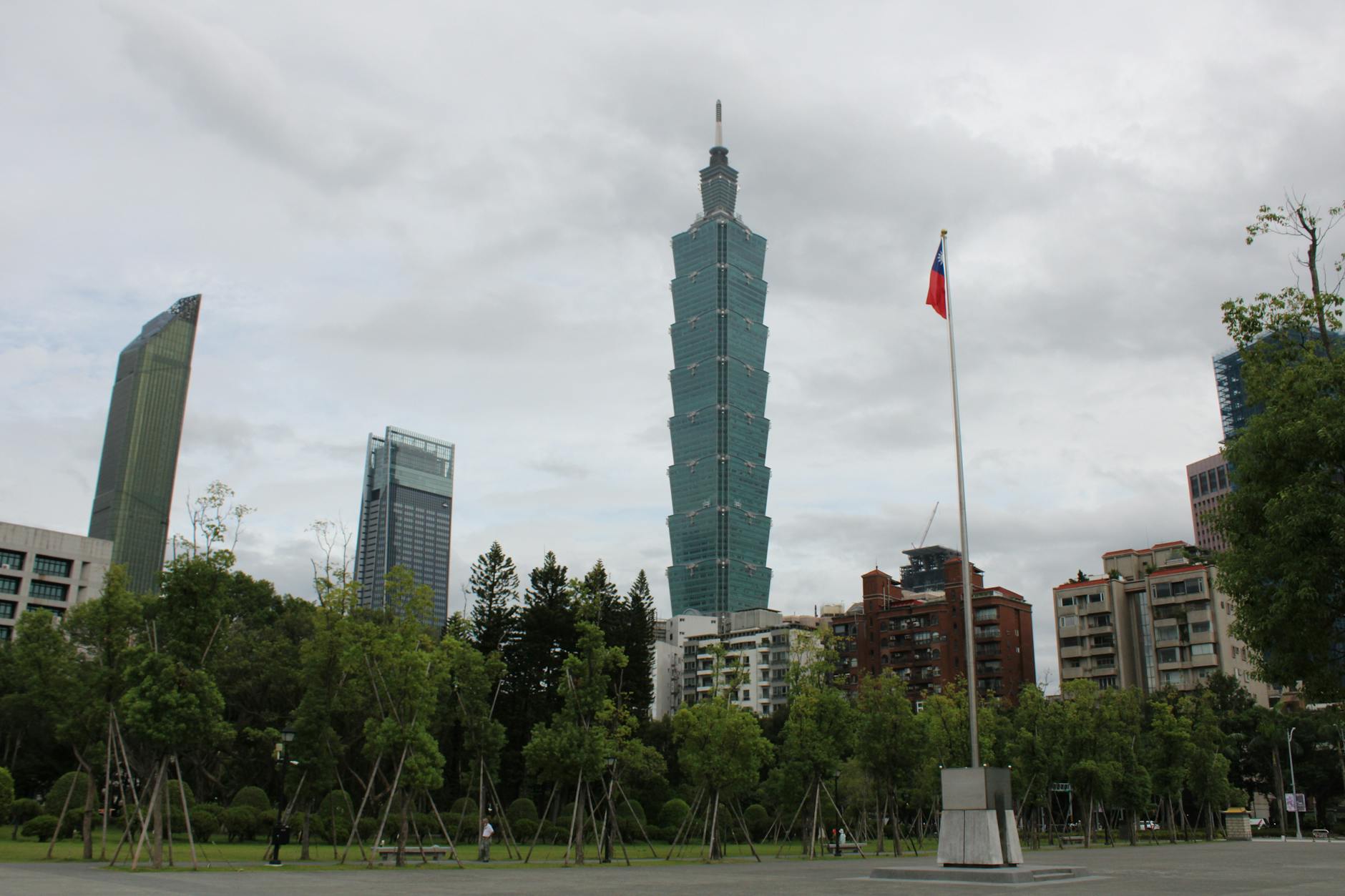
President Trump plans to speak directly with Taiwan's President Lai Ching-te, a break with 46 years of US diplomatic practice since Washington recognised Beijing in 1979.
WASHINGTON — President Donald Trump said on Tuesday he would speak directly with Taiwan’s President Lai Ching-te, a step no sitting American president has taken since the United States severed formal diplomatic relations with Taipei in 1979. The disclosure comes days after Trump held a two-hour summit with Chinese President Xi Jinping in Beijing.
Trump told reporters aboard Air Force One as he returned from the Middle East that he planned the call as the administration weighs a $14 billion arms package for the self-governing island of 23 million people that China claims as its territory. An $11 billion package approved in December was the previous record.
“I’ll speak to him. I speak to everybody,” Trump told reporters travelling with him. “We’ll work on that, the Taiwan problem.”
Lai’s office said he would take the call. In a statement, Lai said Taiwan’s people had the right to determine their own future. “No country has the right to annex Taiwan,” he said. “Democracy and freedom should also not be seen as provocation.”
Speaking at an event in Taipei earlier on Tuesday, Lai added: “Taiwan’s future cannot be decided by external forces, nor can it be held hostage by fear, division, or short-term interests.” Lai also outlined a $3.1 billion plan to upgrade small and medium-sized businesses on the island.
Beijing responded within hours. Chinese Foreign Ministry spokesperson Guo Jiakun told a regular press briefing that “attempts to seek independence by soliciting foreign support or through military means are ultimately nothing but wishful thinking.”
Chen Binhua, spokesperson for China’s Taiwan Affairs Office, reiterated that Taiwan was “an inalienable part of Chinese territory” and warned Washington against sending “wrong signals” to forces Beijing describes as separatist.
A break with precedent
No American president has held a publicly acknowledged phone call with a Taiwanese leader since Jimmy Carter switched diplomatic recognition from Taipei to Beijing on 1 January 1979, accepting the One China policy that has governed US-China relations for nearly five decades. Under that framework, the United States maintains unofficial relations with Taiwan through the American Institute in Taipei while continuing to sell the island defensive weapons under the Taiwan Relations Act.
Trump himself tested the boundary once before. In December 2016, as president-elect, he took a congratulatory call from then-Taiwan President Tsai Ing-wen, a move that drew a formal protest from Beijing. Once in office, Trump reverted to the traditional stance and did not schedule further leader-level calls, though his administration authorised multiple arms sales to Taiwan.
Biden continued to avoid direct presidential contact with Taipei throughout his term, even as he sent congressional delegations to the island and approved several arms packages. Barack Obama and George W. Bush also refrained from direct calls with Taiwanese leaders during their presidencies.
The arms package
The administration is weighing a $14 billion arms package for Taiwan that US officials described to Reuters as likely to cover advanced missile systems, anti-ship capabilities and drone technology. The Pentagon has not released official details. The December package of $11 billion included tanks, fighter jet components and naval systems.
A Pentagon under-secretary for policy had been scheduled to visit Beijing this week to brief Chinese counterparts on the administration’s Indo-Pacific posture. A US defence official told Politico that visit was now in doubt.
The Xi summit aftermath
Trump’s disclosure came five days after he met Xi in Beijing for closed-door talks that covered trade, artificial intelligence, rare earths and Taiwan. Chinese state media reported afterward that Xi told Trump if Taiwan was “handled well,” US-China relations would “enjoy overall stability.”
The summit produced few concrete deliverables and left the Taiwan question unresolved in the joint readout. The White House declined to comment on whether Trump discussed the proposed Lai call with Xi during the Beijing meeting.
What happens next
No date has been set for the Trump-Lai call. A White House official said the administration was working through diplomatic channels to arrange the conversation and anticipated it would take place within days.
Beijing lodged a formal diplomatic protest and briefly suspended military-to-military communications with Washington after the 2016 Trump-Tsai call. Chinese state media on Wednesday carried editorials warning that direct leader-level contact would mark a “serious escalation” in US interference in China’s internal affairs.

Yara Halabi
Foreign affairs correspondent covering the Middle East, the Gulf and US foreign policy. Reports from London.