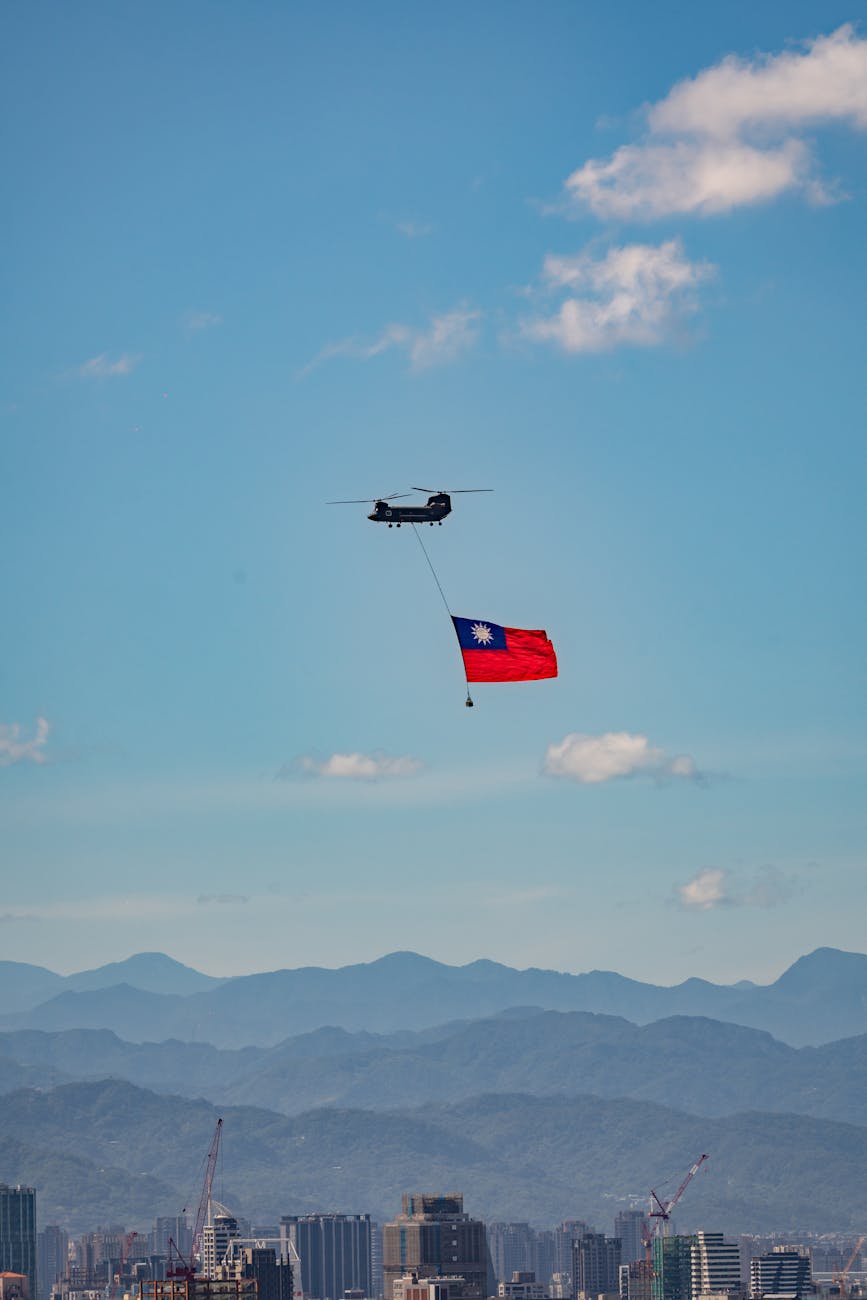
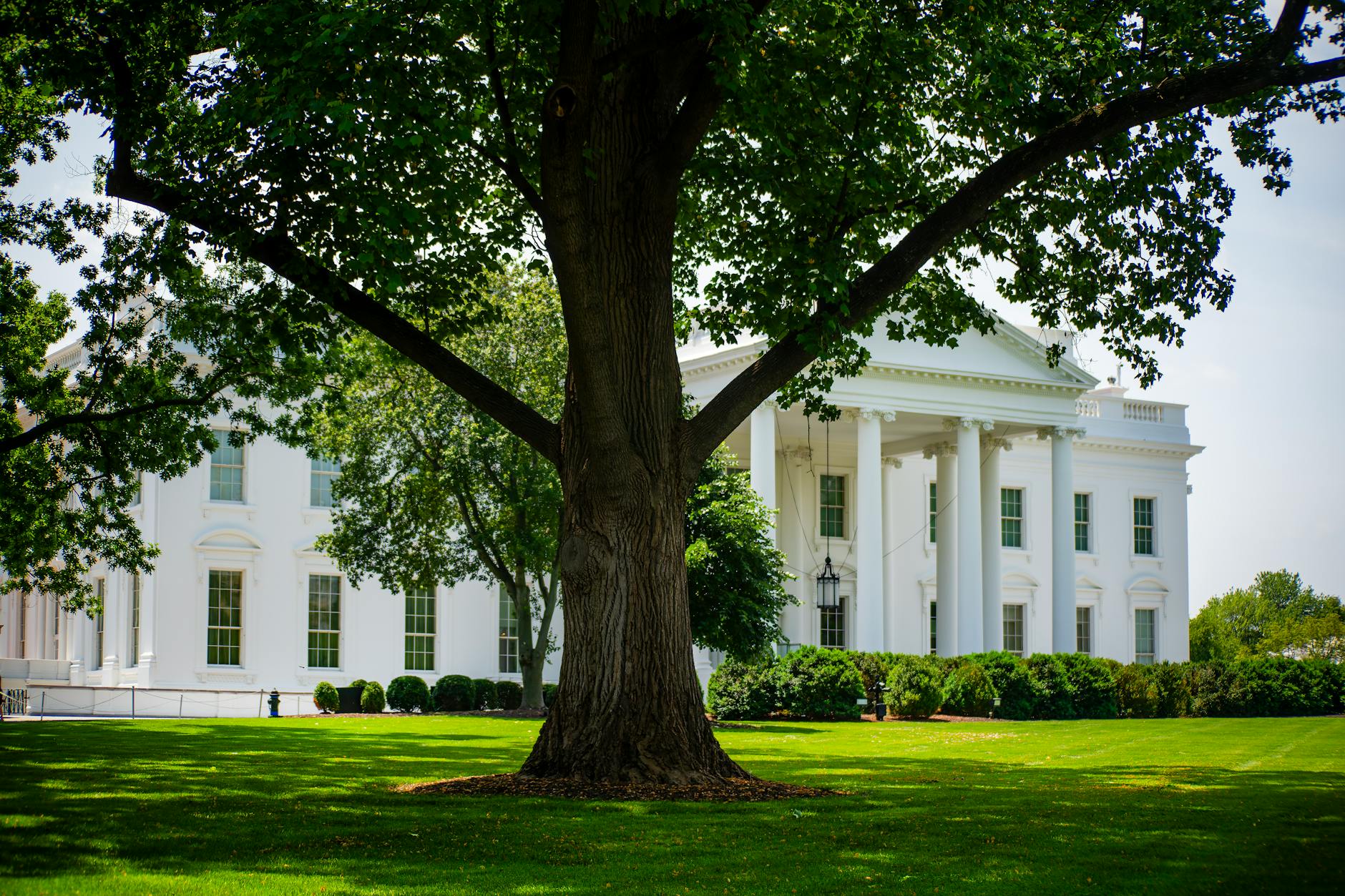
Taiwan reasserts sovereignty after Trump casts doubt on US backing
Taipei said it remained sovereign and independent after Trump suggested support for Taiwan could be negotiated with Beijing.
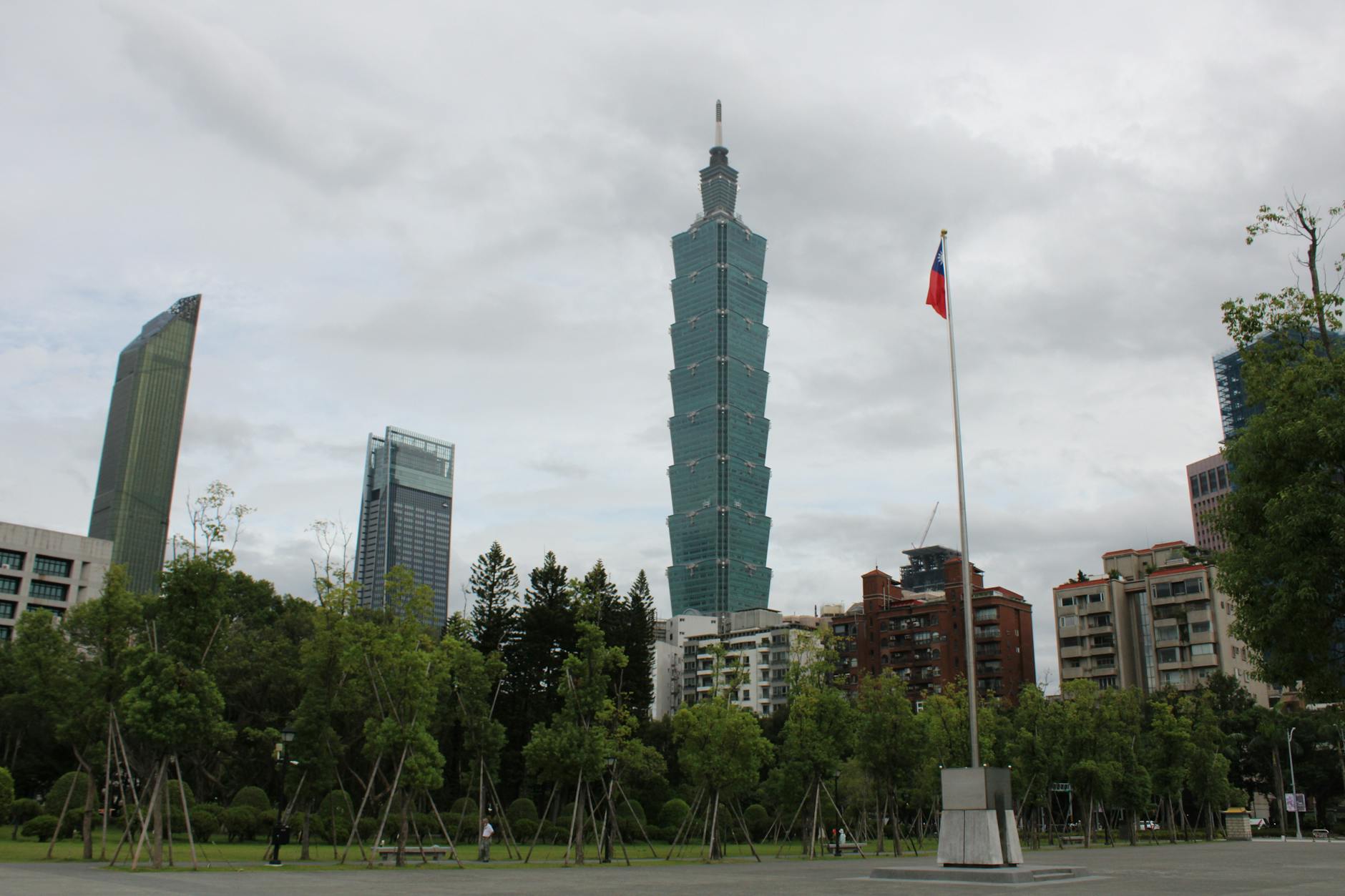
Taiwan said on Friday that it remained a sovereign and independent country after President Donald Trump suggested US support for the island could be part of negotiations with Beijing. The statement pushed summit rhetoric from Trump’s talks with Chinese President Xi Jinping into one of Asia’s most sensitive flashpoints.
Taipei’s response turned a broad summit readout into an immediate test of deterrence messaging. Allied capitals scrutinised Trump’s wording for signals about how far Washington’s commitments now extend while officials in Taipei worked to steady the cross-strait status quo.
In a statement cited by Al Jazeera, Taiwan said it planned to maintain the cross-strait status quo and handle differences peacefully. Karen Kuo, spokesperson for Taiwan’s presidential office, was more explicit in comments carried by PBS NewsHour and the Associated Press, saying: “The Republic of China is a sovereign, independent, democratic country; this is self-evident.”
Trump’s own language sharpened the alarm. Asked about arms support for Taiwan after the Xi meeting, Trump said in the PBS/AP report that the issue was “a very good negotiating chip for us, frankly.” The remark cut into the strategic ambiguity that has framed US policy for decades. Washington arms Taiwan and opposes any forced change to the status quo, but it stops short of formal recognition.
Public accounts of the weapons pipeline deepened the unease. The PBS/AP account said Trump was responding to questions about a $14 billion arms package held up for months. Al Jazeera’s report referred instead to a separate $11 billion package already approved by Congress. In both versions, military support was discussed publicly as part of wider negotiations with Beijing.
Why Taipei moved quickly
Taiwan is caught between US security guarantees and Chinese territorial claims, and it produces about 90 per cent of the world’s most advanced chips, according to the PBS/AP report. That concentration makes the island central to global supply chains but also leaves technology firms and governments acutely exposed to any shift in its security. A suggestion that Taiwan’s safety could be traded inside a summit framework risks unsettling cross-strait politics and the network of Asian allies that read US language for signs of resolve.
Beijing claims Taiwan as its own territory and has long objected to US arms sales and official contact with the island. Taipei paired Kuo’s sovereignty statement with its insistence that the current status quo should hold, drawing a public line without raising the temperature immediately after the Trump-Xi talks.
Formal summit statements can stay vague. Off-the-cuff comments still reset assumptions because capitals react to what was said plainly, not just to careful communiques. Taipei’s message was direct: its political status is not available for outside barter, even if Washington and Beijing are trying to ease tensions.
What happens next depends on whether the Trump administration clarifies how it intends to handle arms deliveries, military deterrence and diplomatic messaging on Taiwan. Allied governments in the region will be watching that clarification as closely as Taipei. Until the White House offers one, Taiwan’s response stands as the clearest sign yet that it sees real risk in having support for the island treated as a bargaining chip.

Yara Halabi
Foreign affairs correspondent covering the Middle East, the Gulf and US foreign policy. Reports from London.