Xi warns Trump Taiwan rift could lead to conflict at Beijing summit
China's Xi Jinping delivered his most direct warning yet to a U.S. president on Taiwan during a Beijing summit with Donald Trump, saying disagreements over the self-ruled island could lead to 'clashes and even conflicts.'
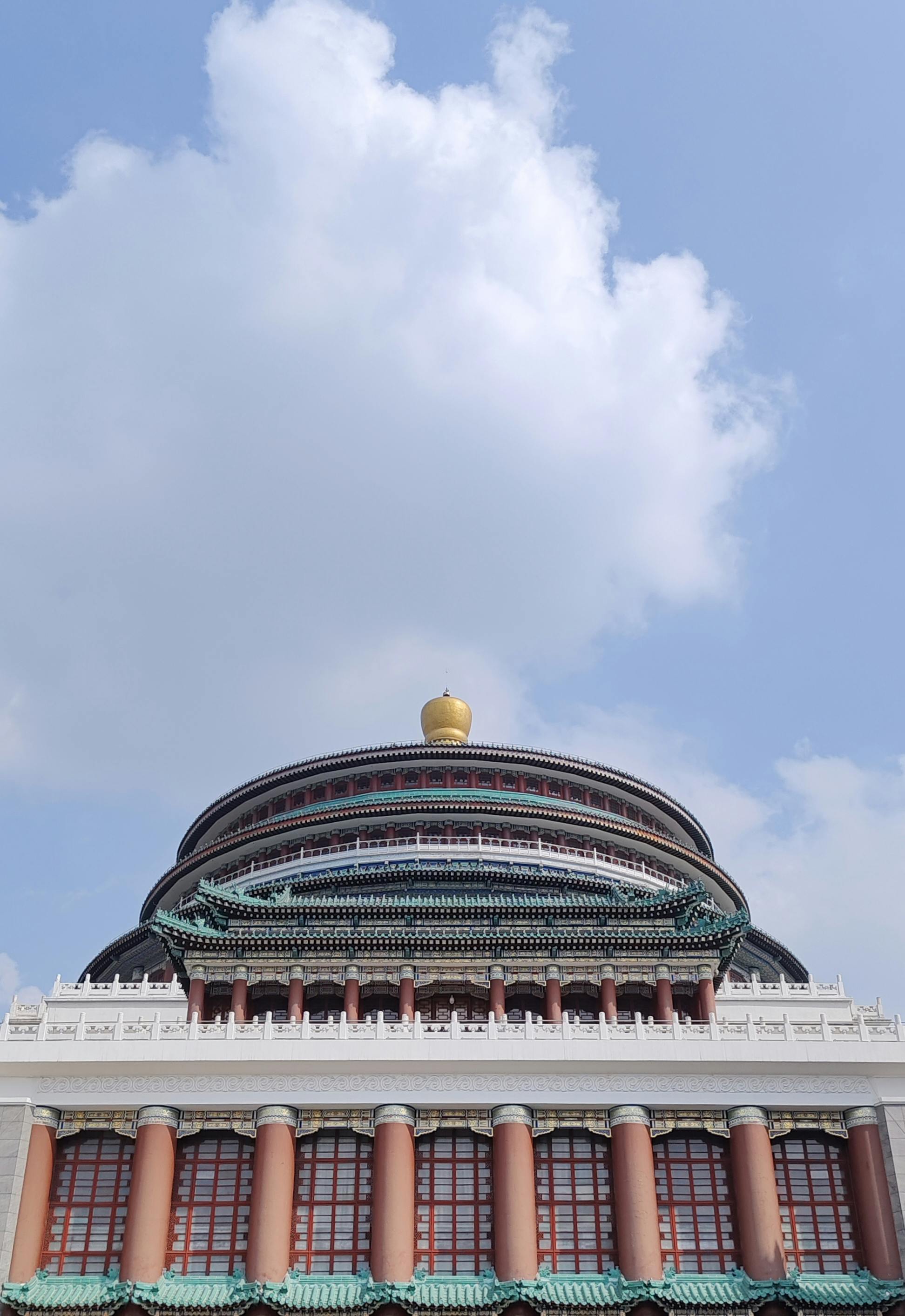
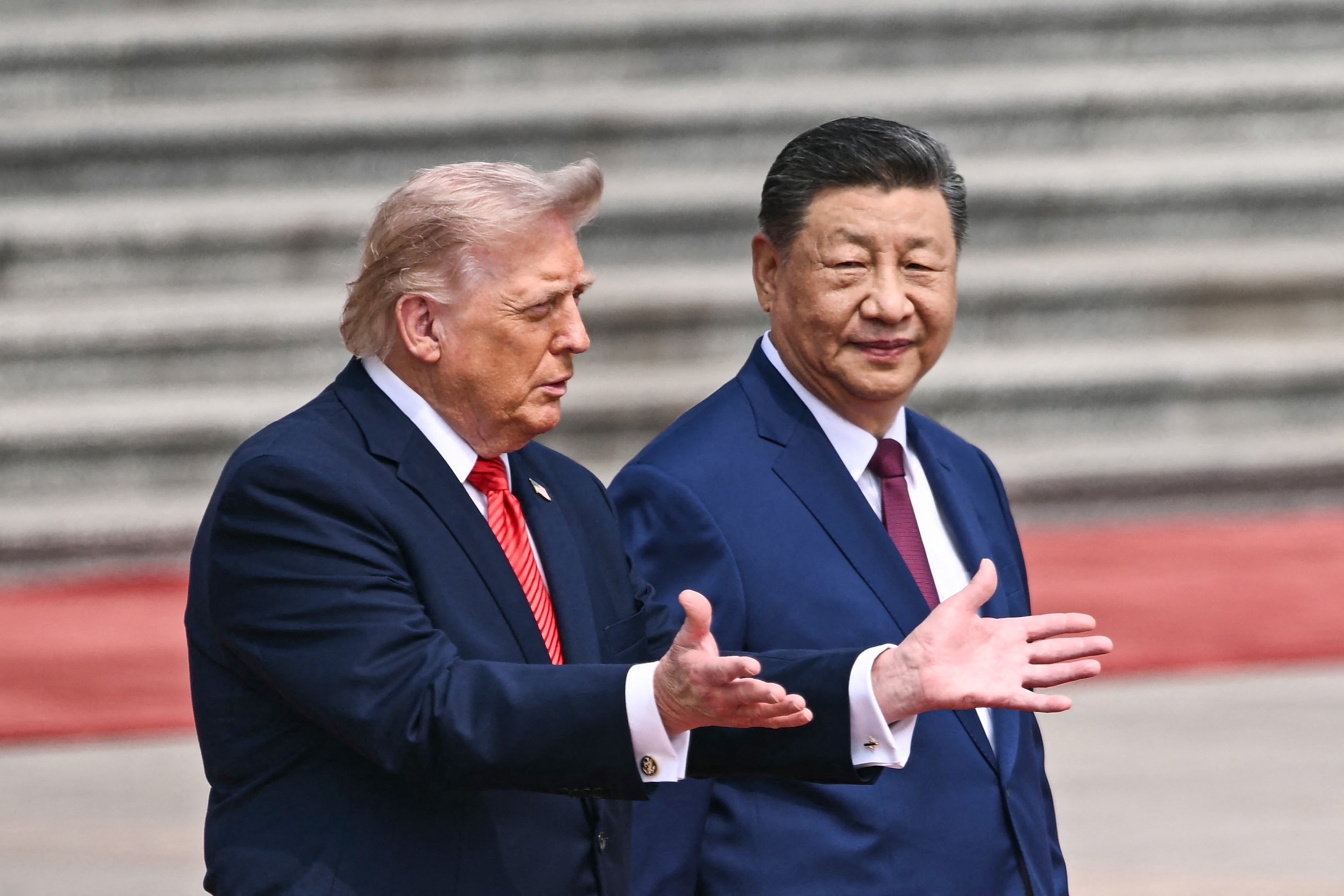
Chinese President Xi Jinping warned U.S. President Donald Trump that disagreements over Taiwan could lead to “clashes and even conflicts” during a summit at the Great Hall of the People in Beijing on May 14. The warning was the bluntest language on the self-ruled island from a Chinese leader to an American president in years.
Behind closed doors, the two leaders met for roughly two hours, their first face-to-face encounter since Trump returned to the White House in January 2025. Trade, Iran, and the status of Taiwan, which Beijing considers a breakaway province, dominated the agenda.
“The Taiwan question is the most important issue in China-U.S. relations,” Xi said, according to foreign ministry spokesperson Mao Ning, who briefed reporters after the meeting. “If it is handled properly, the bilateral relationship will enjoy overall stability. Otherwise, the two countries will have clashes and even conflicts.”
Trump, in public remarks, called the conversation “very productive” and struck a personal tone. “You’re a great leader. Sometimes people don’t like me saying it, but I say it anyway, because it’s true. It’s an honor to be your friend,” he told Xi.
Trump also announced that Xi would visit Washington on September 24, 2026, and that China had indicated it would purchase 200 Boeing jets. Taken together, the announcements suggested both sides were willing to manage the relationship beyond their sharpest disagreements.
Months of heightened friction preceded the warning on Taiwan. The Trump administration approved an $11 billion arms package for Taipei earlier this year, a move the Chinese foreign ministry called a “gross interference in China’s internal affairs.” Beijing claims Taiwan as part of its territory under the One-China principle, a position the United States has acknowledged diplomatically since 1979 while maintaining an unofficial defence relationship with Taipei and supplying it with advanced weaponry.
China has staged repeated large-scale military exercises around the island since 2023, including simulations of a naval blockade and amphibious landings. Its defence ministry has described the drills as a “stern warning” to what it calls “separatist forces.” Unification has become a signature goal of Xi’s presidency, and his government has refused to rule out the use of force.
The Trump administration has sent mixed signals on Taiwan. Officials have reaffirmed the longstanding U.S. position of “strategic ambiguity” while approving arms sales at a pace that outstrips that of recent administrations. Trump himself has praised Xi in personal terms while continuing the arms pipeline his predecessor built.
Neither side’s readout mentioned any new framework for managing the Taiwan dispute. The issue looks to remain in a holding pattern despite the rhetorical escalation.
“Potential powder keg”
“Xi wants to make it very clear to Trump and to the public record that he thinks the Taiwan issue is the potential powder keg between the two superpowers,” said Adam Ni, editor of the China Neican newsletter.
Ni said the directness of Xi’s language was significant. Chinese leaders rarely discuss Taiwan in confrontational terms during face-to-face summits with American presidents, preferring to restate the standard One-China formulation through diplomatic channels. The choice of words, “clashes and even conflicts,” marked an escalation from Xi’s usual script.
Xi appeared to be drawing a red line early, other analysts noted, seeking to establish a clear public record before what is likely to be a contested chapter in U.S.-China relations. Trump has pursued engagement and pressure simultaneously, mixing summitry with tariff threats and arms sales.
Trade and Iran
Iran’s nuclear programme was also discussed by the two leaders, according to a readout from the Chinese foreign ministry. Beijing has sought to position itself as a mediator between Washington and Tehran, hosting talks between the parties in recent months, though progress has been limited.
Trade remained a central item, according to CBS News. Trump has kept tariffs on roughly $370 billion of Chinese goods in place and has signalled further measures tied to Beijing’s subsidies for electric vehicles and semiconductors. Xi has pushed for the removal of export controls on advanced chip technology, restrictions tightened under successive U.S. administrations. The Boeing jet commitment appeared designed to give the meeting a concrete deliverable.
U.S. Secretary of State Marco Rubio attended the talks as part of the American delegation, the White House said.
What comes next
The September reciprocal visit sets up a second high-stakes encounter within four months. Whether the intervening period brings progress on Taiwan or a hardening of positions will test the personal rapport both leaders claimed to have built in Beijing.
For now, the summit delivered the public pledges of cooperation both sides wanted, and a warning neither could afford to ignore.

Yara Halabi
Foreign affairs correspondent covering the Middle East, the Gulf and US foreign policy. Reports from London.