Trump, Xi meet in Beijing as Iran war tests diplomacy
Trump and Xi reached a joint pledge on Iran's nuclear programme and Hormuz shipping in a high-stakes Beijing summit that also saw Xi deliver a blunt warning on Taiwan.
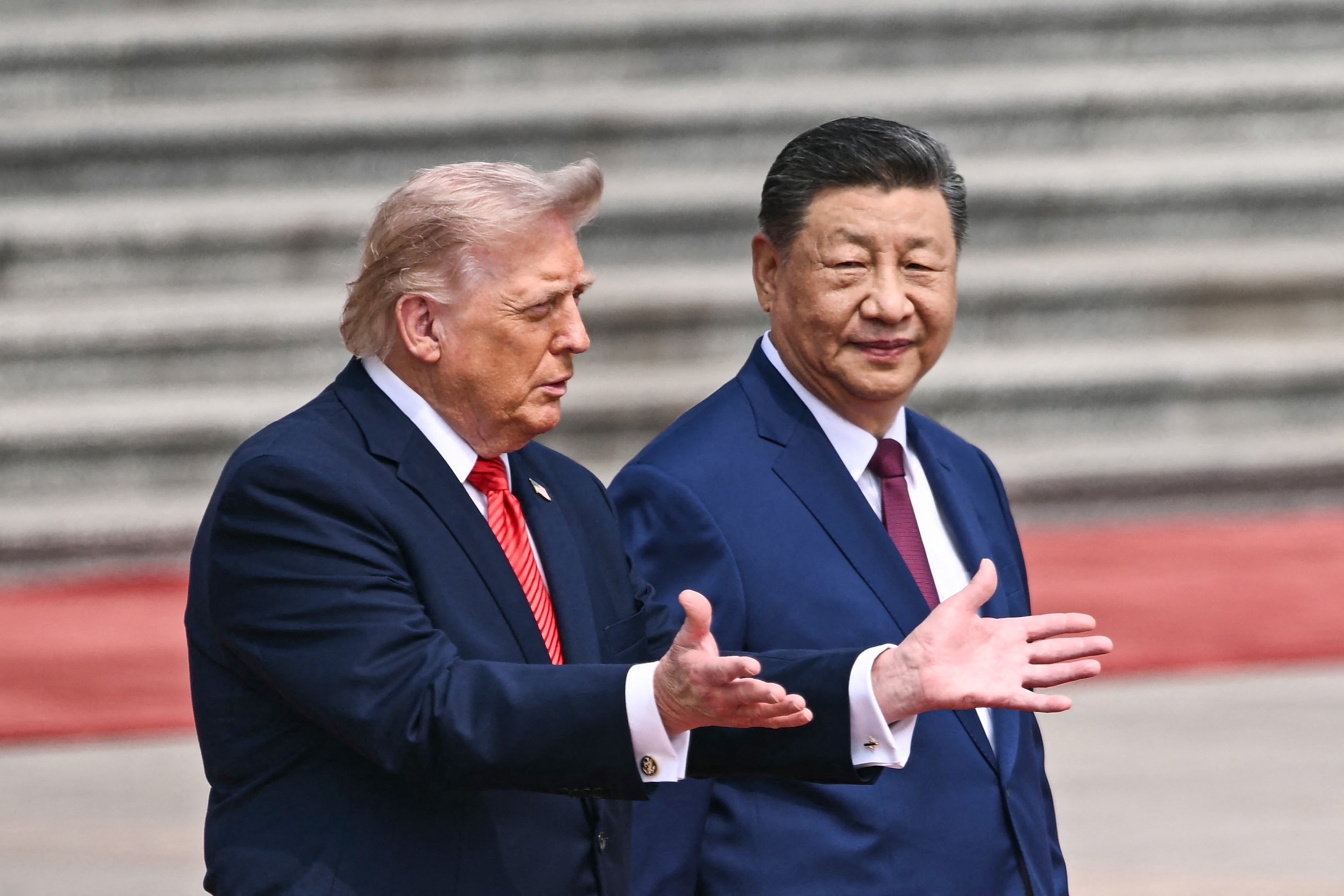
BEIJING — President Donald Trump and Chinese President Xi Jinping met for more than two hours behind closed doors at Beijing’s Great Hall of the People on Thursday, agreeing that Iran can never obtain a nuclear weapon and that the Strait of Hormuz must remain open and free of militarisation.
It was the first face-to-face between the two leaders since Trump returned to office in January. The agenda ran to Taiwan, trade, technology restrictions and the 11-week conflict that has throttled global energy flows since US and Israeli forces began military operations against Iran on 28 February.
“The two sides agreed that the Strait of Hormuz must remain open to support the free flow of energy,” a White House official said in a readout of the talks. “President Xi also made clear China’s opposition to the militarisation of the strait and any effort to charge a toll for its use.”
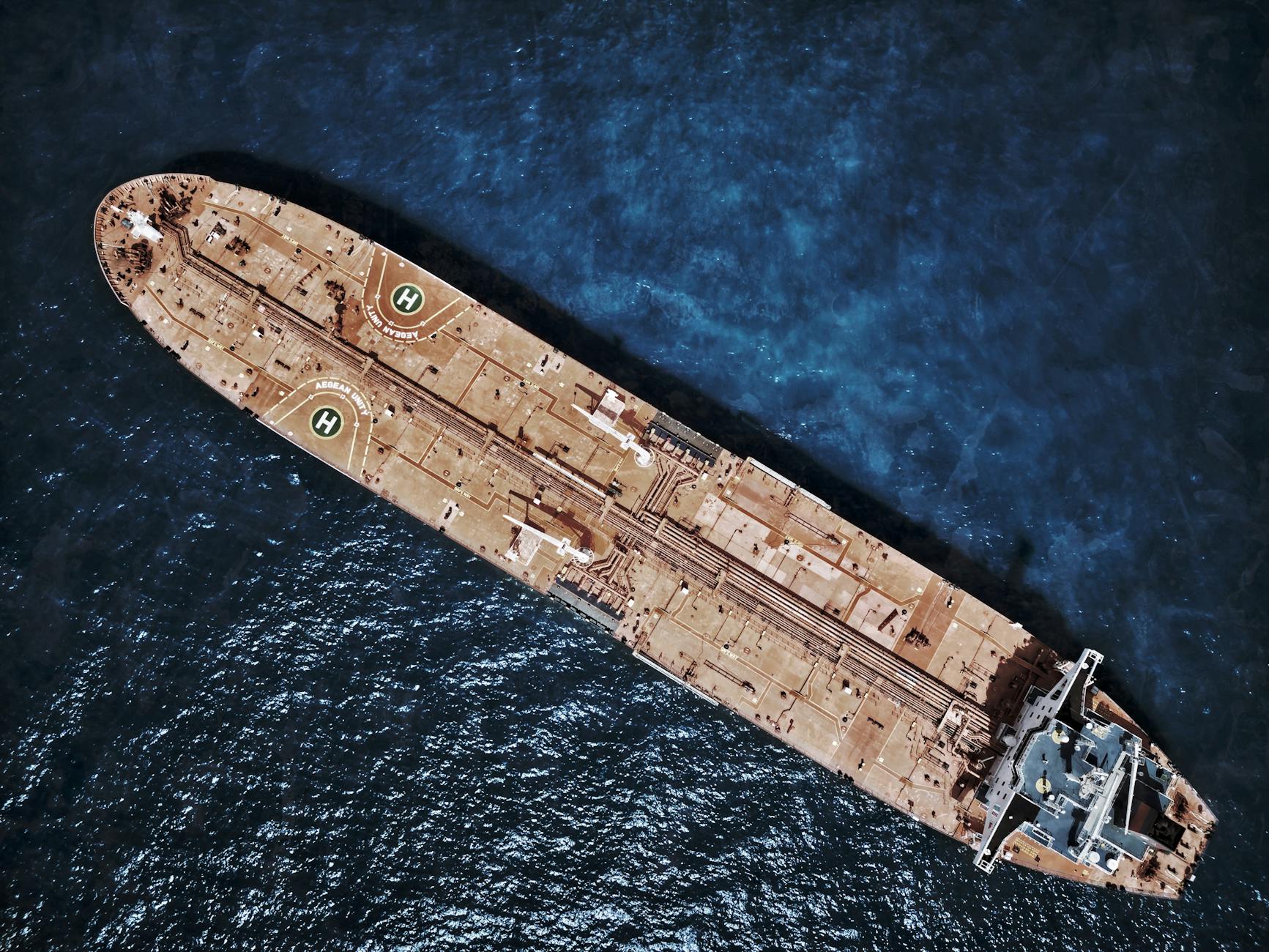
Roughly 20 per cent of the world’s crude oil passed through the narrow Gulf waterway each day before the war. About half of China’s crude imports transit the strait, and Beijing buys roughly 90 per cent of Iranian oil exports, according to analysts and shipping data.
On Taiwan, Xi delivered his bluntest warning yet to the Trump administration, calling the self-governing island claimed by Beijing “the most important issue in China-U.S. relations.”
“If it is handled properly, the bilateral relationship will enjoy overall stability,” Xi said, according to a Chinese government readout. “Otherwise, the two countries will have clashes and even conflicts.”
Xi also raised the Thucydides Trap, the theory that rising powers and established powers tend toward war, after months of tariff escalation and mutual recriminations over Iran.
Inside the meeting
Trump arrived in Beijing on Wednesday with a delegation of American executives, including Tesla and SpaceX chief Elon Musk, Apple’s Tim Cook, Nvidia founder Jensen Huang, Boeing chief Kelly Ortberg and BlackRock chairman Larry Fink. Bilateral trade between the two countries exceeds $500bn a year.
The closed-door meeting ran 2 hours and 15 minutes. The White House called the visit an effort to stabilise ties strained by successive US tariffs on Chinese goods, sanctions on Chinese technology firms and Beijing’s continued purchases of Iranian crude.
Before the cameras, Xi told Trump the two countries “should be partners, not rivals” and “should help each other succeed and prosper together,” according to a White House summary.
The Iran question
Secretary of State Marco Rubio said Washington had pressed China to take a more active role in resolving the Iran conflict. Neither side disclosed specific commitments or a timeline.
Beijing has called for restraint from all parties while continuing to buy Iranian crude. Republican hawks in Congress say that posture undermines US military pressure on Tehran. China’s foreign ministry rejects that framing, calling its energy imports lawful and arguing that diplomacy offers the only durable path out of the war.
The White House official who briefed reporters declined to say whether Trump had extracted any Chinese pledge to reduce those oil purchases.
Benchmark crude has traded above $90 a barrel since March. War-risk insurance premiums on tankers transiting the Gulf have climbed, raising shipping costs for every economy reliant on Middle Eastern crude and complicating Trump’s domestic economic agenda.
Trump has tied any easing of tariffs on Chinese imports to Beijing’s cooperation on Iran. Xi has pressed for US restraint on military support for Taiwan and relief from export controls that limit China’s access to advanced semiconductors. Neither side claimed a breakthrough on those disputes.
What happens next
Xi hosted a state banquet for Trump at the Great Hall on Thursday evening, an event Reuters described as an attempt to set the table for a diplomatic reset between the world’s two largest economies.
Talks were expected to continue informally before Trump’s scheduled departure on Friday. Aides on both sides were tasked with drafting a joint statement covering trade, technology transfer rules and the Iran war.
The summit produced no public agreement on the three issues that have defined the relationship since Trump’s return: Taiwan’s status, the technology rivalry over advanced chips and China’s role as Iran’s largest energy customer.

Yara Halabi
Foreign affairs correspondent covering the Middle East, the Gulf and US foreign policy. Reports from London.