Russia strikes Ukraine, killing 22 in missile-drone barrage
Russia strikes Ukraine with 656 drones and 73 missiles, killing at least 22 people as Kyiv asks Washington for Patriot interceptors.
Russia struck Kyiv and other Ukrainian cities overnight with one of its heaviest missile-and-drone attacks in weeks, killing at least 22 people and sharpening Ukraine’s appeal for more Western air-defence help.
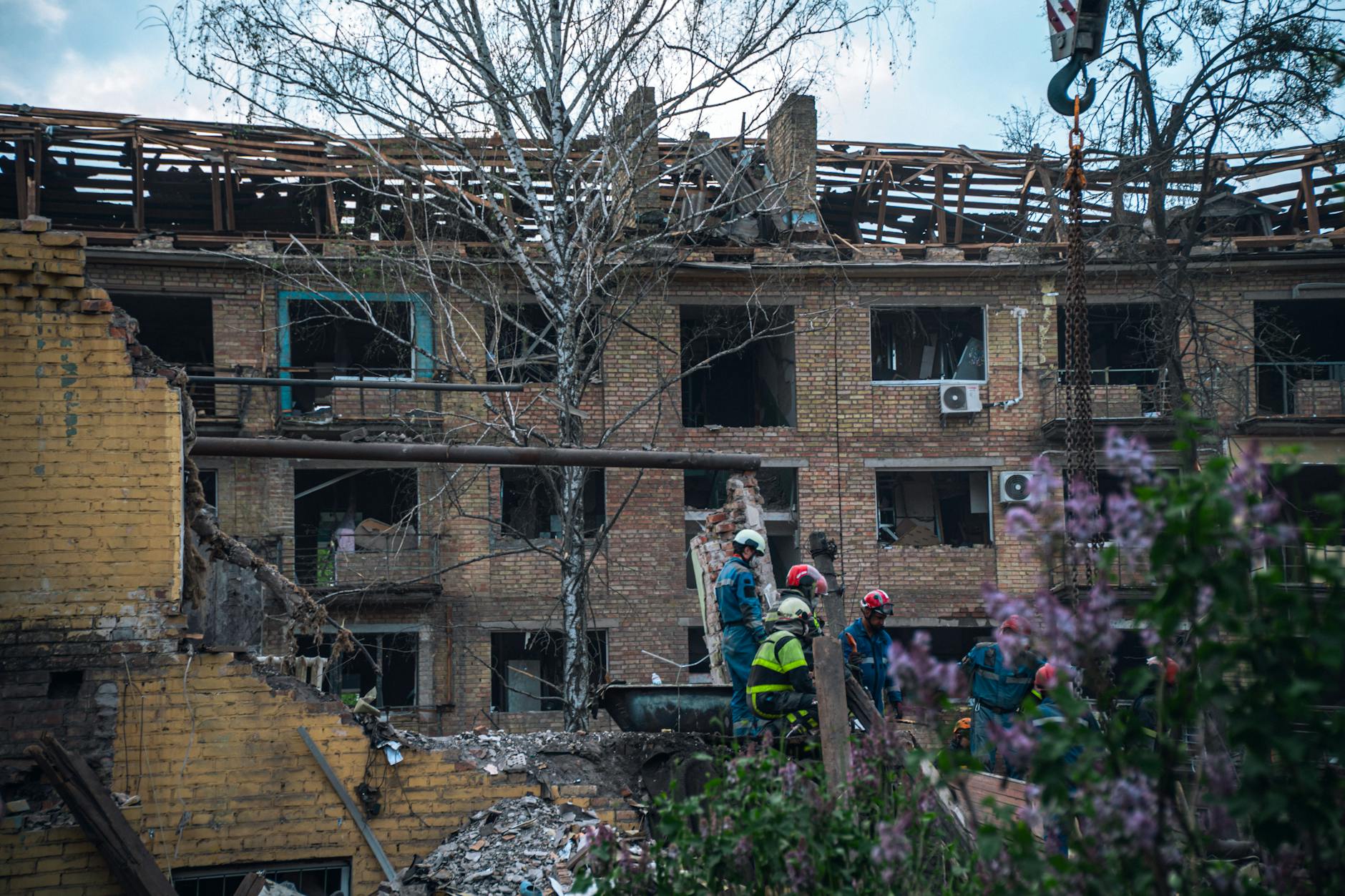
The assault followed several days of Russian warnings and hit residential districts in Kyiv and other regions. At least 138 people were wounded, according to Ukrainian officials cited by AP News. The toll put fresh pressure on interceptor stocks that officials say cannot absorb repeated mass attacks.
Ukraine said Russia launched 656 strike drones and 73 missiles. The size of the barrage sent thousands of civilians into shelters and left rescue crews searching damaged apartment blocks after daylight. About 41,000 people took cover in Kyiv’s metro during the attack, the BBC reported. For the capital, the arithmetic is stark: every interceptor fired overnight is one fewer available for the next salvo.
President Volodymyr Zelensky said the strikes showed why Ukraine’s Western-supplied air defences need rapid reinforcement, especially the US-made Patriot systems used against ballistic missiles.
“We urgently need help from the United States in supplying missiles for Patriot systems,” Zelensky said.
The appeal, reported by BBC News, was aimed most directly at Washington, where debates over weapons flows have continued as Russia increases the volume and frequency of long-range strikes. Ukrainian officials say Patriot batteries are among the few reliable defences against the fastest missiles in Russia’s arsenal, but interceptor supplies are limited.
Moscow signals more attacks
The Kremlin gave no sign that it planned to scale back. Dmitry Peskov, President Vladimir Putin’s spokesman, said Russian forces would keep striking what Moscow describes as military targets, language Kyiv and its allies say obscures repeated damage to apartment buildings and civilian infrastructure.
“This practice will continue,” Peskov said.
The New York Times said the attack came after an agonizing week of threats from Moscow. The Washington Post’s account described the barrage as part of a wider Russian effort to increase pressure after battlefield gains slowed.
The strike wave fit a pattern seen through late spring. Russia has combined large numbers of cheaper drones with missiles designed to exhaust Ukrainian interceptors before the most dangerous weapons reach their targets. The method can make even successful air defences expensive for Kyiv.
Each Patriot interceptor is costly and limited in supply. Ukrainian officials have warned that larger salvos can force difficult choices over which cities, energy sites and military facilities receive protection. For civilians, it means nights spent with sirens, blast waves and hours underground.
The immediate death toll made the attack one of the deadliest recent barrages on Ukraine’s cities. Rescue workers were still searching damaged buildings after the strikes, and officials cautioned that casualty figures could change as crews moved through rubble. Images from Kyiv showed families leaving damaged residential areas while emergency teams worked around shattered facades.
Ukraine’s next test is whether allies can move interceptors quickly enough to blunt further attacks. Zelensky has put air defence at the top of nearly every recent appeal to Western governments, and Tuesday’s barrage gave the request new urgency. Russia, through Peskov, signalled that it sees no reason to pause.

Anya Voronova
Eastern Europe correspondent covering the war in Ukraine, Russia and the Caucasus. Reports from Warsaw.