Trump, Xi agree Strait of Hormuz must remain open
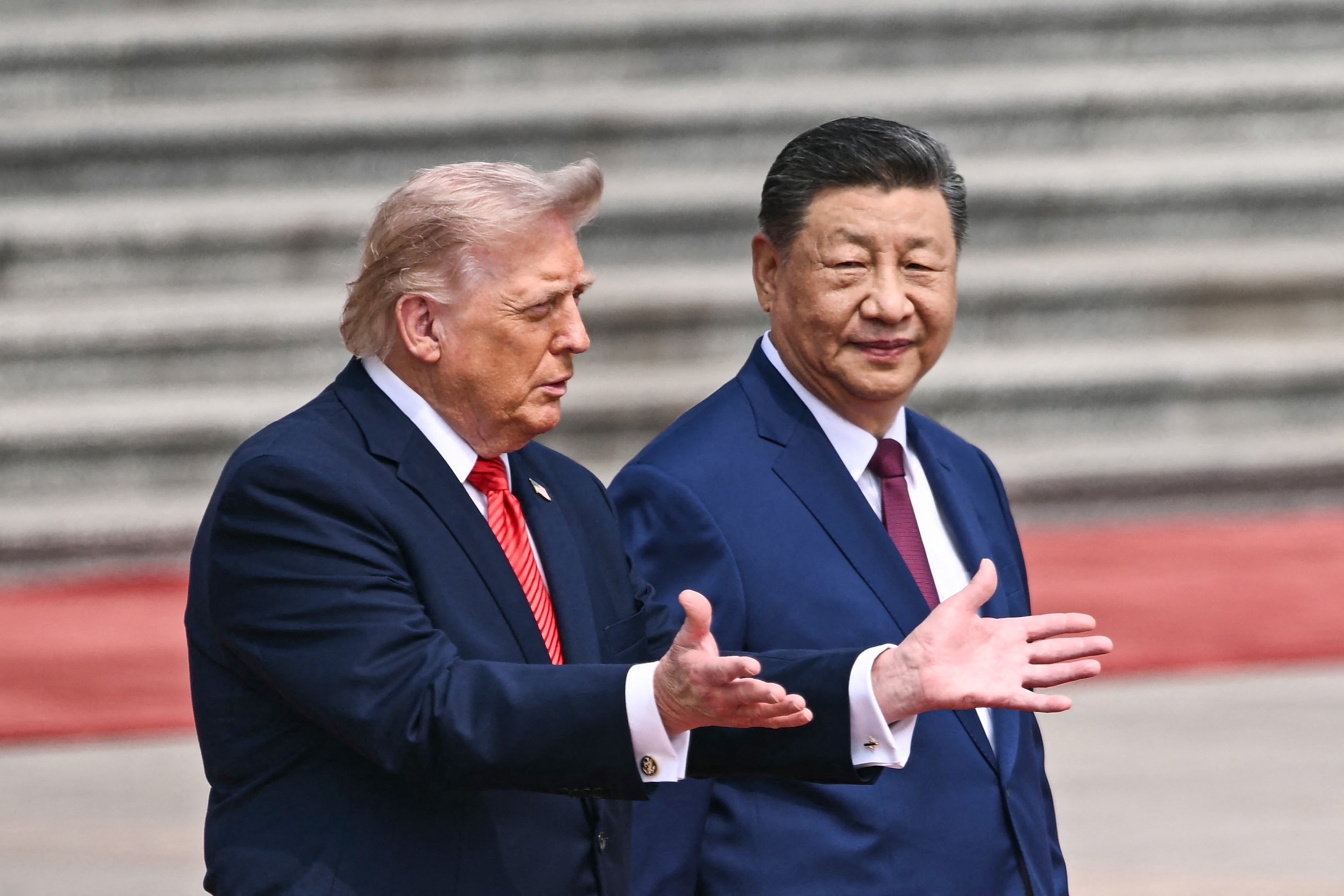
US President Donald Trump and Chinese President Xi Jinping agreed during a summit in Beijing that the Strait of Hormuz must remain open to energy transit and that Iran can never obtain a nuclear weapon, the White House said on Thursday.
US President Donald Trump and Chinese President Xi Jinping agreed during a summit in Beijing that the Strait of Hormuz must remain open to energy transit and that Iran can never obtain a nuclear weapon, the White House said on Thursday.
The readout, released after the two leaders met on the sidelines of a diplomatic gathering in the Chinese capital, is the most explicit joint statement by Washington and Beijing on the security of the strategic waterway since fighting between US and Iranian forces escalated this spring.
“The two sides agreed that the Strait of Hormuz must remain open to support the free flow of energy,” the White House said. “President Xi also made clear China’s opposition to the militarisation of the strait and any effort to charge a toll for its use.”
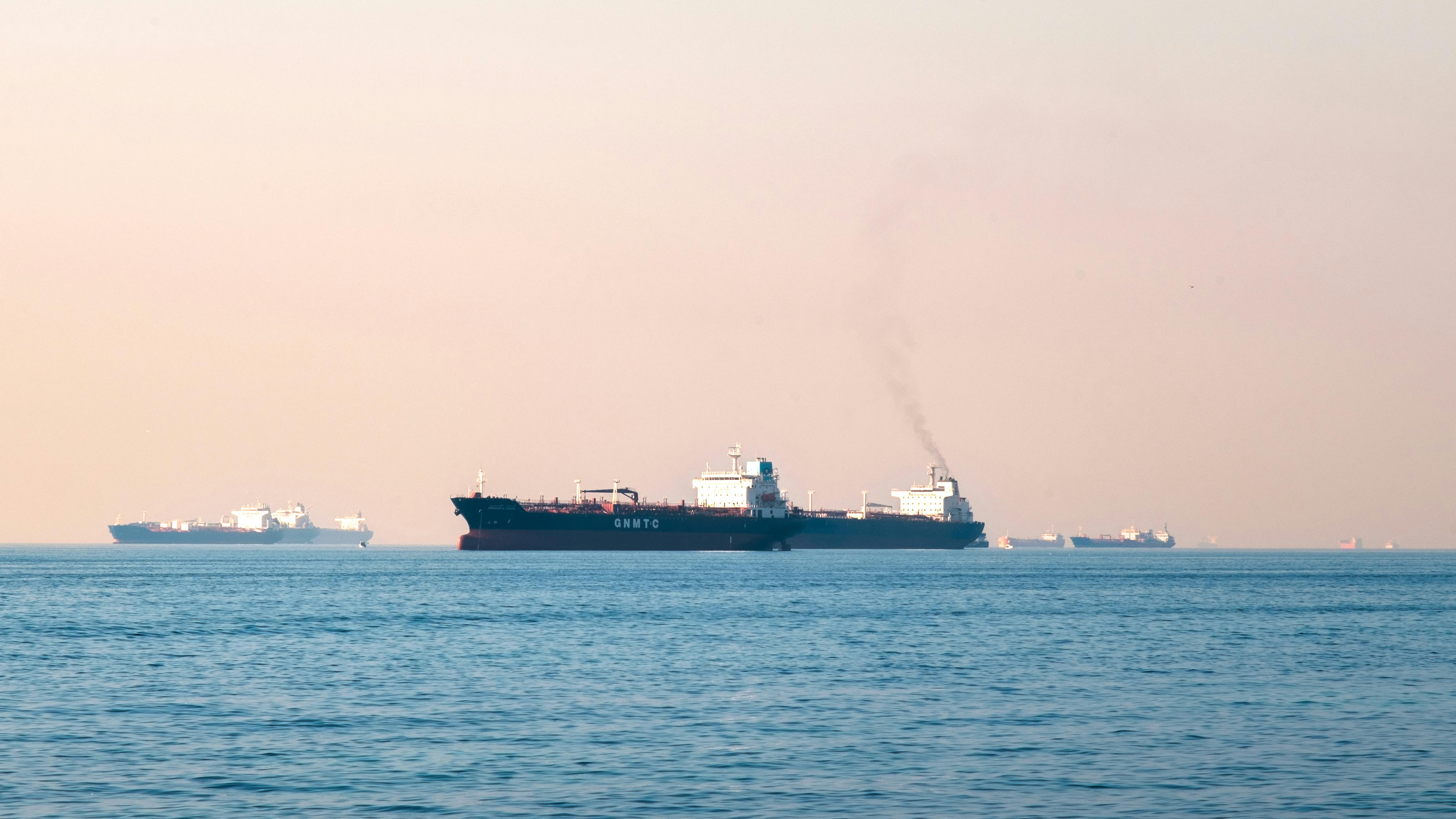
Secretary of State Marco Rubio, briefing reporters after the talks, described the joint position as a “significant alignment” between the world’s two largest economies. Before the war, the strait carried roughly 20 per cent of the world’s crude oil, according to CNBC.
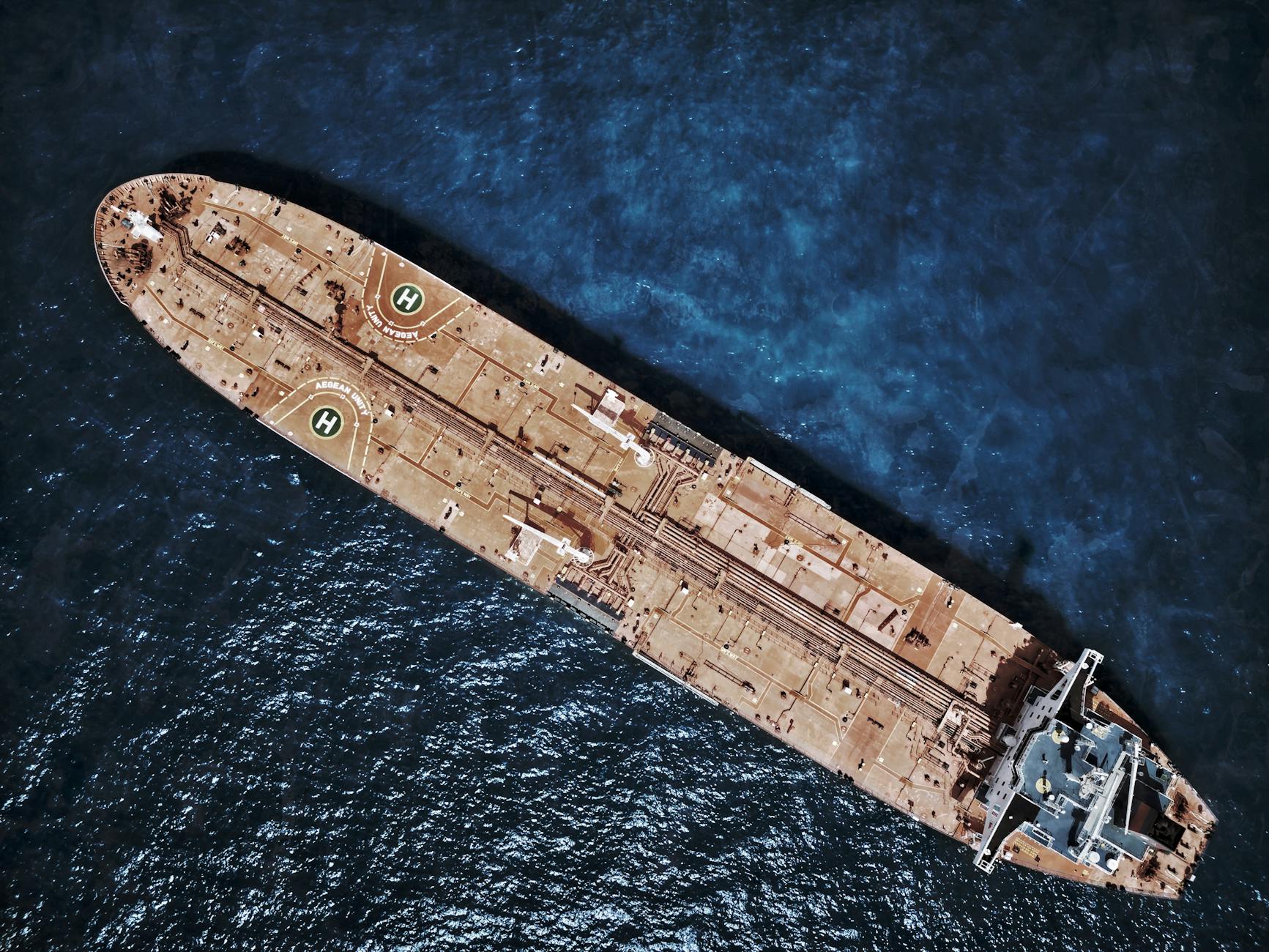
China has a direct stake in the waterway’s security. More than half of its oil imports came from the Middle East in 2024, with roughly 10 per cent sourced from Iran alone. Several Chinese-flagged vessels have transited the strait in recent weeks as the US Navy enforces a blockade on Iranian ports — an operation that has seen CENTCOM redirect 70 commercial vessels and disable four, Al Jazeera reported.
The White House statement, carried by multiple wire services including Yonhap, also said Trump and Xi “agreed that Iran can never have a nuclear weapon.”
The sit-down in Beijing, which a White House official said lasted roughly 90 minutes, came after weeks of mounting tension in the Gulf. The US has maintained a naval enforcement operation near the strait since late April, turning back vessels bound for Iranian ports and, in several cases, disabling ships that refused to comply. Tehran has accused Washington of violating international law and warned that any attempt to impose tolls or restrict passage would be met with retaliation.
China’s willingness to publicly oppose both militarisation and tolling puts Beijing closer to the US position than at any point since the crisis began. A Treasury official told CNBC that China would “work behind the scenes” to help reopen the strait to full commercial traffic.
Trump told reporters after the meeting that Xi had offered to help broker peace with Iran, Time magazine reported. The two leaders also discussed a Chinese commitment to purchase 200 Boeing 737 aircraft, though the White House readout focused primarily on the security and energy dimensions of the talks.
The nuclear pledge marks a rare point of agreement between Washington and Beijing on Iran. China has historically opposed sanctions on Tehran and has been one of its largest crude buyers, but Xi’s willingness to put that commitment in writing alongside Trump suggests a significant diplomatic shift.
It remains unclear whether the joint statement will translate into concrete cooperation at sea or at the United Nations Security Council, where China holds a veto. A State Department spokesperson declined to say whether the two sides had discussed specific patrol arrangements or a potential ceasefire framework.

Yara Halabi
Foreign affairs correspondent covering the Middle East, the Gulf and US foreign policy. Reports from London.