Trump to Meet Xi as Iran Ceasefire Falters, Hormuz Remains Blocked
President Trump heads to Beijing for a three-day summit with Xi Jinping as the Iran ceasefire teeters and the Strait of Hormuz stays blocked, pushing oil above $104.
WASHINGTON — President Donald Trump heads to Beijing on Tuesday for a three-day state visit with Chinese counterpart Xi Jinping, as the 10-week-old Iran-U.S. war threatens to widen and a fragile ceasefire teeters on what Trump himself called “massive life support.”
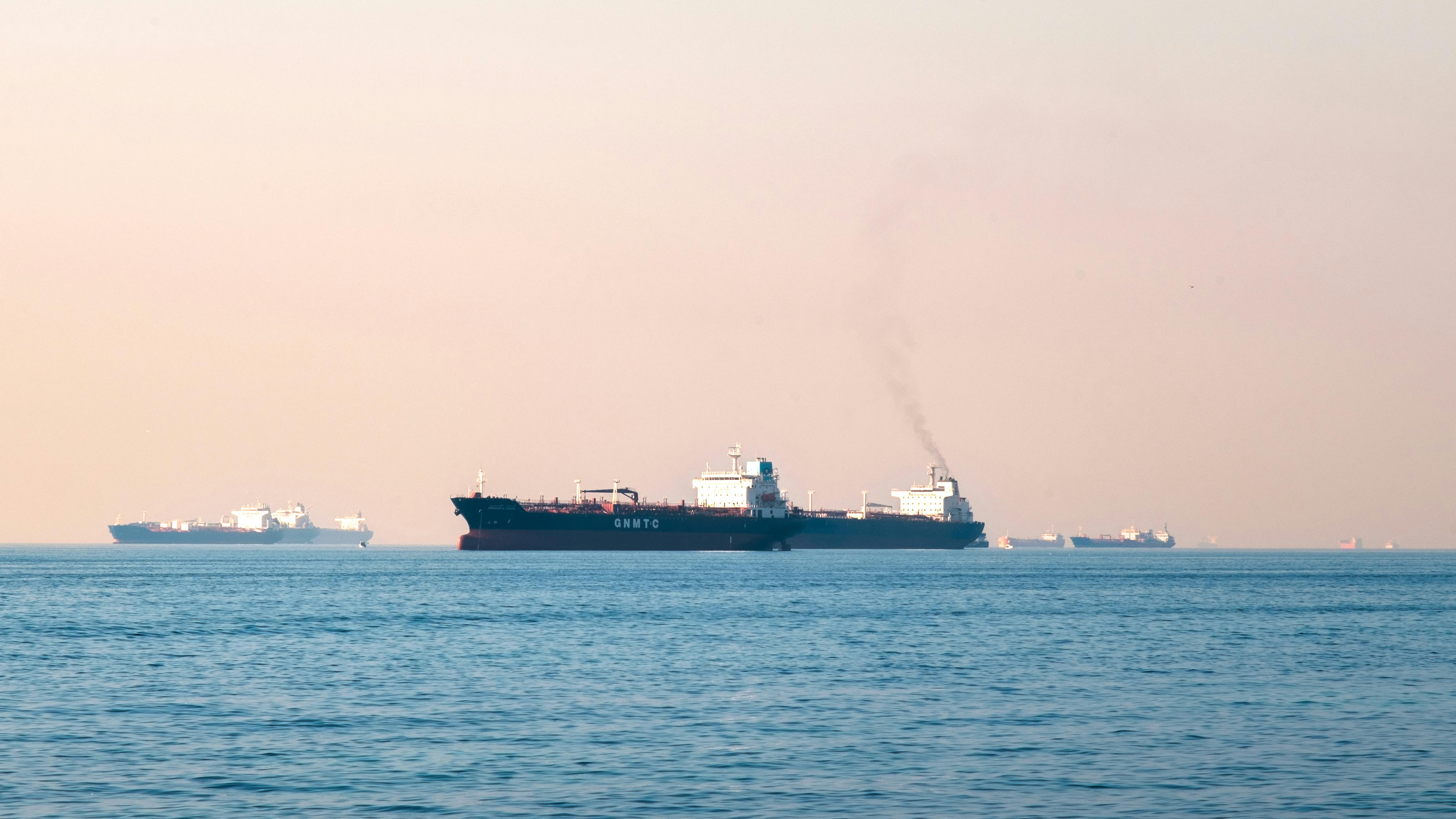
The trip, set for May 13 to 15, comes hours after Iran rejected a U.S.-backed peace proposal and as the Strait of Hormuz — the narrow waterway through which roughly 20 percent of global oil and liquefied natural gas passes — remains largely blocked by Iranian naval forces. And the blockade has now held for more than two months.
“I would say the cease-fire is on massive life support,” Trump told reporters Monday evening. “It’s unbelievably weak, I would call it the weakest right now, after reading a piece of garbage.”
Brent crude settled at $104.03 a barrel on May 11, up 2.7 percent, as energy markets priced in the near-certainty that the strait would stay closed through at least another week of negotiations.
But the shutdown has already forced tankers to reroute around the Cape of Good Hope, pushing insurance premiums for Gulf-bound vessels to four times pre-war levels. Diesel and jet-fuel prices have hit highs that central banks had not factored into their latest inflation models. Refineries from Rotterdam to Singapore are bidding against each other for non-Gulf crude, tightening margins across the downstream supply chain. A sustained closure through the summer, several analysts warned, would push the global crude market into a structural deficit.
Tehran’s terms — and Netanyahu’s red lines
Iran’s Foreign Ministry spokesperson Esmail Baghaei described Tehran’s own proposal — which included safe passage through Hormuz and security guarantees for Lebanon — as “a generous and responsible offer.” Yet the terms were rejected by Washington before they reached formal negotiation.
Israeli Prime Minister Benjamin Netanyahu, whose military has carried out strikes on Iranian nuclear sites during the conflict, said Tehran’s offer did not address the core security concern. “There is still nuclear material, enriched uranium, that has to be taken out of Iran,” Netanyahu said. “There are still enrichment sites that have to be dismantled.”
The divide is stark. Iran wants the blockade lifted as a precondition; the U.S. and Israel want Iran’s nuclear infrastructure verifiably dismantled first. Neither side has signaled any willingness to move first, and the sequencing dispute has deadlocked every backchannel conversation since late March.
Beijing’s moment
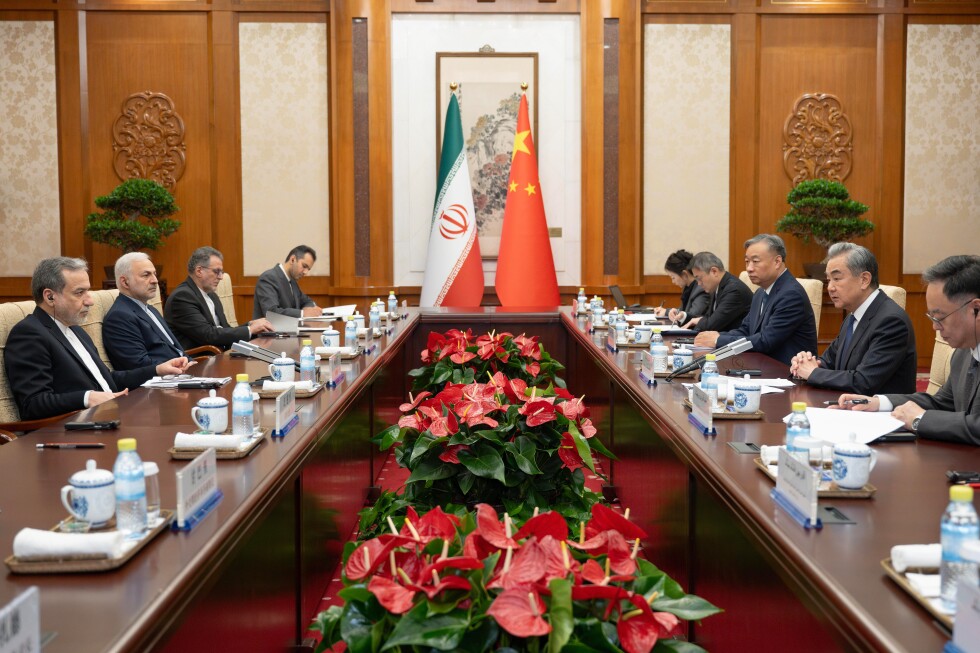
The Trump-Xi meeting injects the world’s largest crude importer into a negotiating framework that has so far failed to produce a durable pause. Beijing has walked a careful line since the war began in late February, calling publicly for restraint while continuing to purchase Iranian crude at a discount through intermediaries. State media on the Chinese side have framed the visit as a chance for Xi to position himself as the conflict’s key mediator.
A senior administration official, speaking on condition of anonymity because the negotiations are ongoing, said Trump would press Xi to use China’s economic leverage over Tehran. Iran relies on Chinese purchases for roughly 90 percent of its crude exports. Sanctions enforcement by Beijing would cut deeper than any measure the West could impose unilaterally.
Whether Trump will meet separately with Iranian officials during the Beijing trip has not been disclosed by the White House. Two European diplomats familiar with the planning said no such meeting was on the agenda as of Monday night.
For his part, Xi is expected to press Trump on tariffs and Taiwan — issues Chinese negotiators have raised in every pre-summit working-group session — while offering to host follow-on technical talks between U.S. and Iranian officials. The BBC reported that Beijing sees the summit as a chance to “test the fragile truce” between Washington and Tehran after weeks of indirect messaging produced no breakthrough.
The domestic clock
For Trump, the stakes extend well beyond the Gulf. Rising fuel prices six months before U.S. midterm elections have historically eroded approval ratings. Already, two Republican senators from oil-producing states have broken with the administration’s Iran strategy, warning that a protracted Hormuz closure could trigger a domestic supply squeeze by midsummer.
America’s Strategic Petroleum Reserve stands at roughly half its pre-war level after two releases since March, limiting the administration’s ability to cushion a price spike at the pump. Regular gasoline crossed a national average of $4.10 a gallon last week, according to AAA data. Analysts at Goldman Sachs warned in a client note Monday that a summer driving season with Hormuz still closed could push the average above $5.
What emerges from Beijing this week will likely determine whether the ceasefire survives at all.
No fallback plan is in active preparation, according to two European officials. If the Xi channel fails, the next diplomatic off-ramp is not obvious — and neither is the moment when one might appear.

Yara Halabi
Foreign affairs correspondent covering the Middle East, the Gulf and US foreign policy. Reports from London.