China presses Iran to reopen Hormuz, hold fire before Trump-Xi summit
Chinese Foreign Minister Wang Yi hosted Iran's top diplomat in Beijing eight days before Trump's summit with Xi, signaling Beijing's bid to mediate a conflict that has throttled oil flows through the Strait of Hormuz and raised the stakes for every major power in the Gulf.
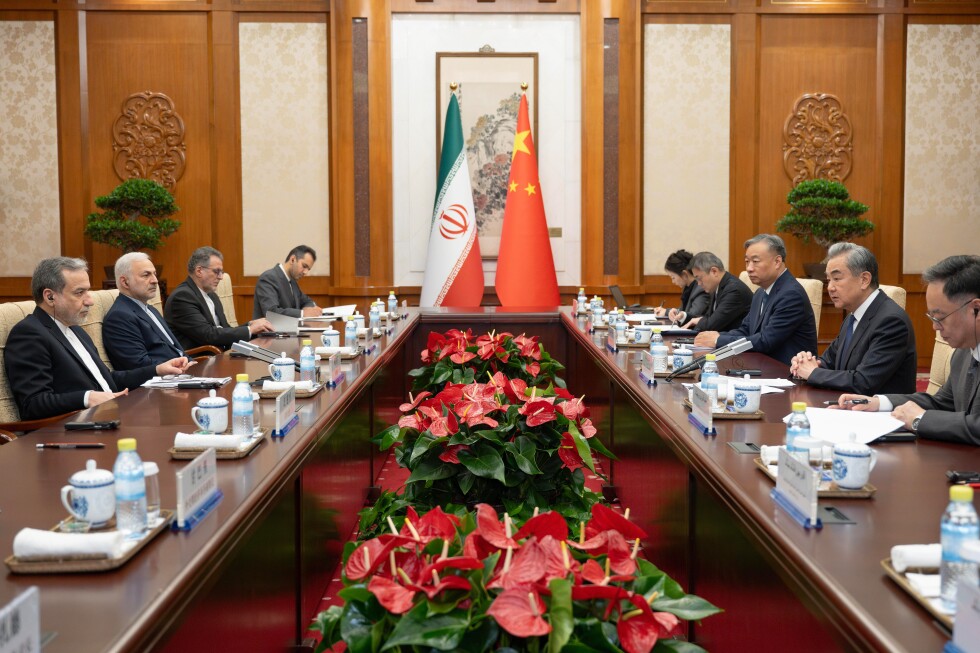
BEIJING — Chinese Foreign Minister Wang Yi hosted his Iranian counterpart Abbas Araghchi in Beijing on May 6, the first cabinet-level meeting between the two allies since the U.S.-led military campaign against Iran began on February 28. Staged eight days before President Donald Trump is scheduled to sit down with President Xi Jinping on May 14, the visit positions Beijing as a key diplomatic channel in a conflict that has throttled global oil flows and scrambled the economic calculus of every major power with a stake in the Persian Gulf.
Beijing’s readout left little room for ambiguity. “The current regional situation is at a critical juncture of transition from war to peace,” the Foreign Ministry said, according to a translation reported by NBC News. “China believes that a complete cessation of hostilities is imperative, restarting the conflict is unacceptable and persisting in negotiations is particularly important.”
That message — cease fire, do not reignite, stay at the table — landed squarely on Tehran, and the pressure behind it is material. Beijing buys more than 80 percent of Iran’s shipped crude. Its network of independent refiners, concentrated in Shandong province, imported an average of 1.38 million barrels of Iranian oil per day across 2025, a flow that has been severely disrupted since the U.S. and its allies began striking Iranian naval and missile infrastructure. Chinese crude imports fell 20 percent in April compared to the same month a year ago, the weakest reading in almost four years, according to customs data cited by The Straits Times.
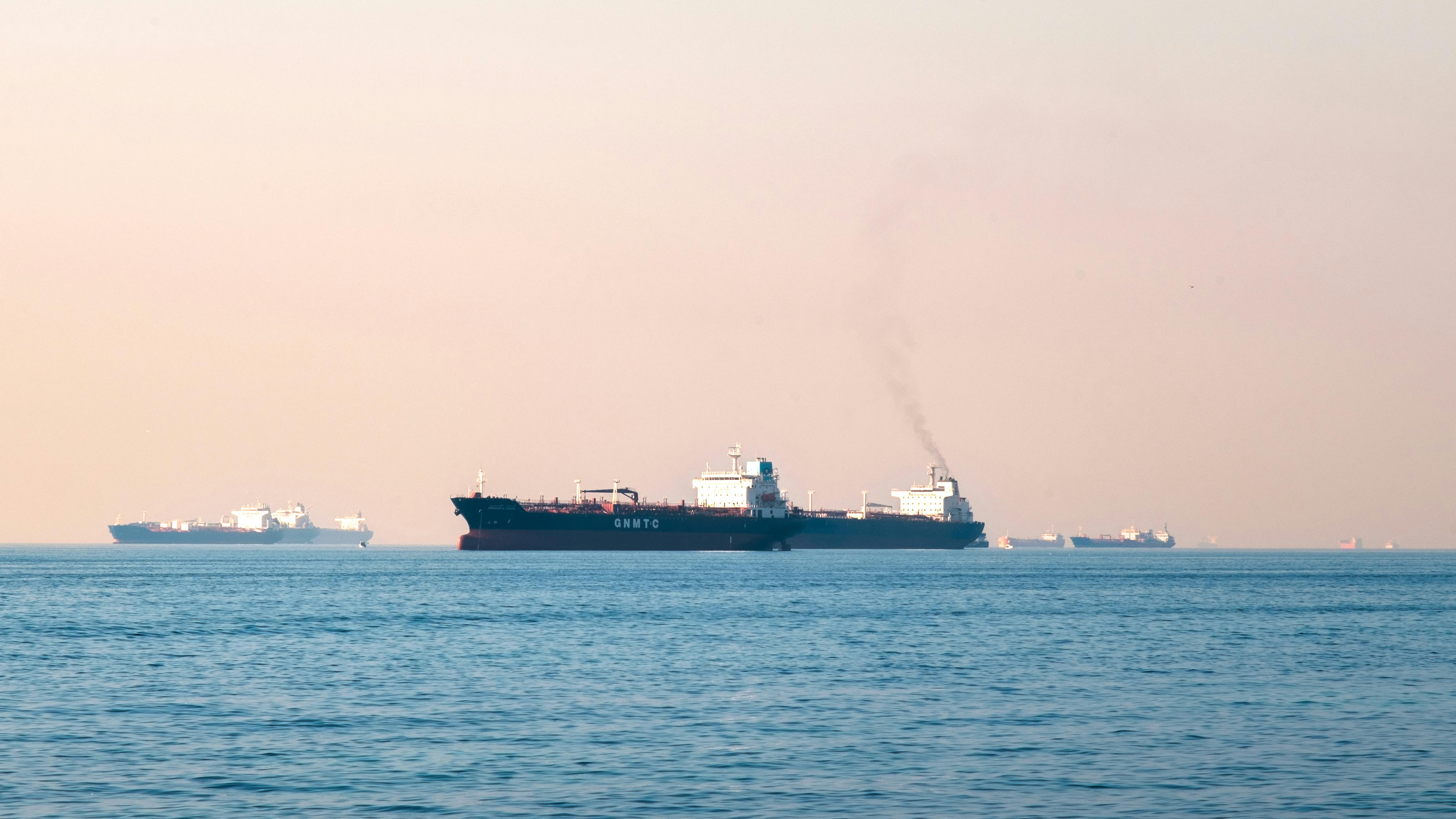
Before the war, roughly one-fifth of the world’s seaborne oil and liquefied natural gas transited the Strait of Hormuz. That narrow chokepoint between Iran and the Arabian Peninsula has been a theater of intermittent Iranian threats to close the waterway. Those threats are no longer hypothetical. Attacks on tanker traffic have raised insurance premiums to prohibitive levels for some routes, and the economic cost to Beijing — which lacks a strategic petroleum reserve deep enough to cushion a prolonged disruption — is compounding by the week.
The diplomacy, in other words, is not ceremonial. It is a hard-nosed exercise in supply-chain management dressed in the language of peace.
“This meeting is deeply strategic,” Amir Handjani, a board member at the Quincy Institute for Responsible Statecraft, told CNBC. “Tehran and Beijing are aligning their interests before Trump’s summit with Xi, and the timing is deliberate.”
Araghchi offered a dual-track message of his own. “Iran, just as it demonstrated strength in defending itself and remains fully prepared to confront any aggression, is also serious and steadfast in the field of diplomacy,” he said following the meeting, according to NBC News. The formulation — strength plus diplomacy — is Tehran’s standard negotiating posture, but the context has changed. Iran’s air defenses, naval capacity, and missile infrastructure have been degraded by two months of sustained strikes. Its economy is absorbing the shock of disrupted oil exports at the very moment inflation and currency pressures were already biting.
China is the one partner that can offer Iran both economic relief and diplomatic protection. By continuing to absorb Iranian crude, Beijing provides hard currency Tehran cannot access elsewhere. At the United Nations Security Council, where China holds a permanent veto, it can shield Iran from resolutions that would tighten the sanctions regime further.
But Beijing’s position cuts both ways. Trump administration officials have made clear that China’s role in the Iran conflict will sit at the top of the summit agenda on May 14 and 15. U.S. officials regard Chinese oil purchases as the financial artery that has allowed Tehran to sustain its military posture. Officials are expected to press Xi to curtail those imports or face the prospect of secondary sanctions on Chinese banks and trading houses that facilitate them.
For Xi, the arithmetic is uncomfortable. Cheap Iranian crude helps feed an economy already navigating a property-sector downturn and the drag of U.S. tariffs. Yet he also needs a functional trade relationship with Washington, and Trump has shown no reluctance to fuse unrelated disputes into a single negotiating package. The summit will test whether Xi can extract a Hormuz reopening commitment from Tehran while persuading Washington that Beijing’s diplomatic channel is more valuable than punitive measures that would shut it down. The meeting in Beijing suggests he intends to try both.
It produced no public breakthrough on the Strait of Hormuz question, no announced cease-fire framework, and no joint statement on the path forward. But the fact that it happened at all — with official photographs, detailed readouts, and a date chosen for maximum proximity to Trump’s arrival — is itself the signal. Beijing wants the world to see it managing the crisis, not merely spectating. Whether that posture yields results will become clearer when Trump touches down in Beijing.

Yara Halabi
Foreign affairs correspondent covering the Middle East, the Gulf and US foreign policy. Reports from London.