Trump Says Iran Ceasefire on 'Massive Life Support'
President Donald Trump said Tuesday the month-long ceasefire with Iran is surviving on "massive life support," comparing the truce to a patient whose doctor has delivered a near-certain terminal prognosis, after Tehran submitted a 14-point counter-proposal Trump rejected as "totally unacceptable."
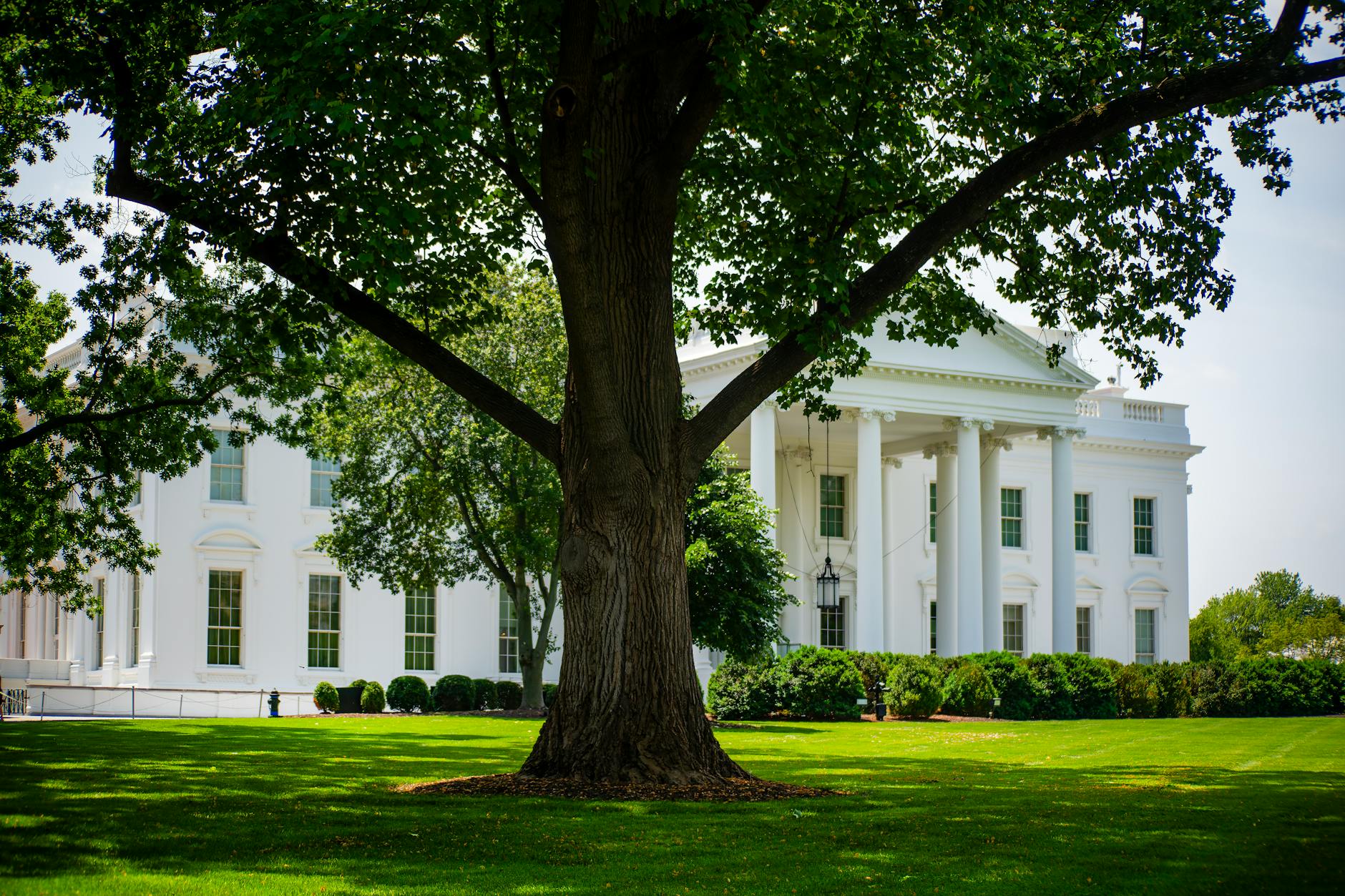
WASHINGTON — President Donald Trump said Tuesday the month-long ceasefire with Iran is surviving on “massive life support,” comparing the truce to a patient whose doctor has delivered a near-certain terminal prognosis. “I would say the ceasefire is on massive life support — when the doctor walks in and says, ‘Sir, your loved one has approximately a 1 percent chance of living,’” Trump told reporters at the White House.
The remarks followed Iran’s submission of a 14-point counter-proposal, which Trump rejected in characteristically blunt terms — posting on social media that the document was “TOTALLY UNACCEPTABLE” — and offered no path back to negotiations.
The exchange deepens an impasse that has held for roughly four weeks. A truce brokered in April had briefly raised expectations that diplomatic channels might avert a wider confrontation in the Gulf after months of escalating exchanges between US naval forces and Iranian proxy militias. That hope is fading. Iranian Parliamentary Speaker Mohammad Ghalibaf, a former Revolutionary Guards commander and a figure close to Supreme Leader Ali Khamenei, signalled that Tehran remained open to talks but would not accept conditions that compromised what the regime considers its sovereign rights.
Neither government has released the text of Iran’s proposal. But Trump’s dismissal suggests the two sides remain far apart on the central question: whether Tehran must dismantle its enrichment facilities as part of any lasting agreement. Diplomats from Oman and Qatar, who have been shuttling between the parties for weeks, have so far offered no public assessment of whether the 14-point document represents a hardening of Iran’s position or a genuine opening.
Israeli Prime Minister Benjamin Netanyahu addressed the standoff on Tuesday. “There’s still enrichment sites that have to be dismantled,” Netanyahu said, making clear that Israel regards a temporary cessation of hostilities as insufficient without a structural rollback of Iran’s nuclear infrastructure.
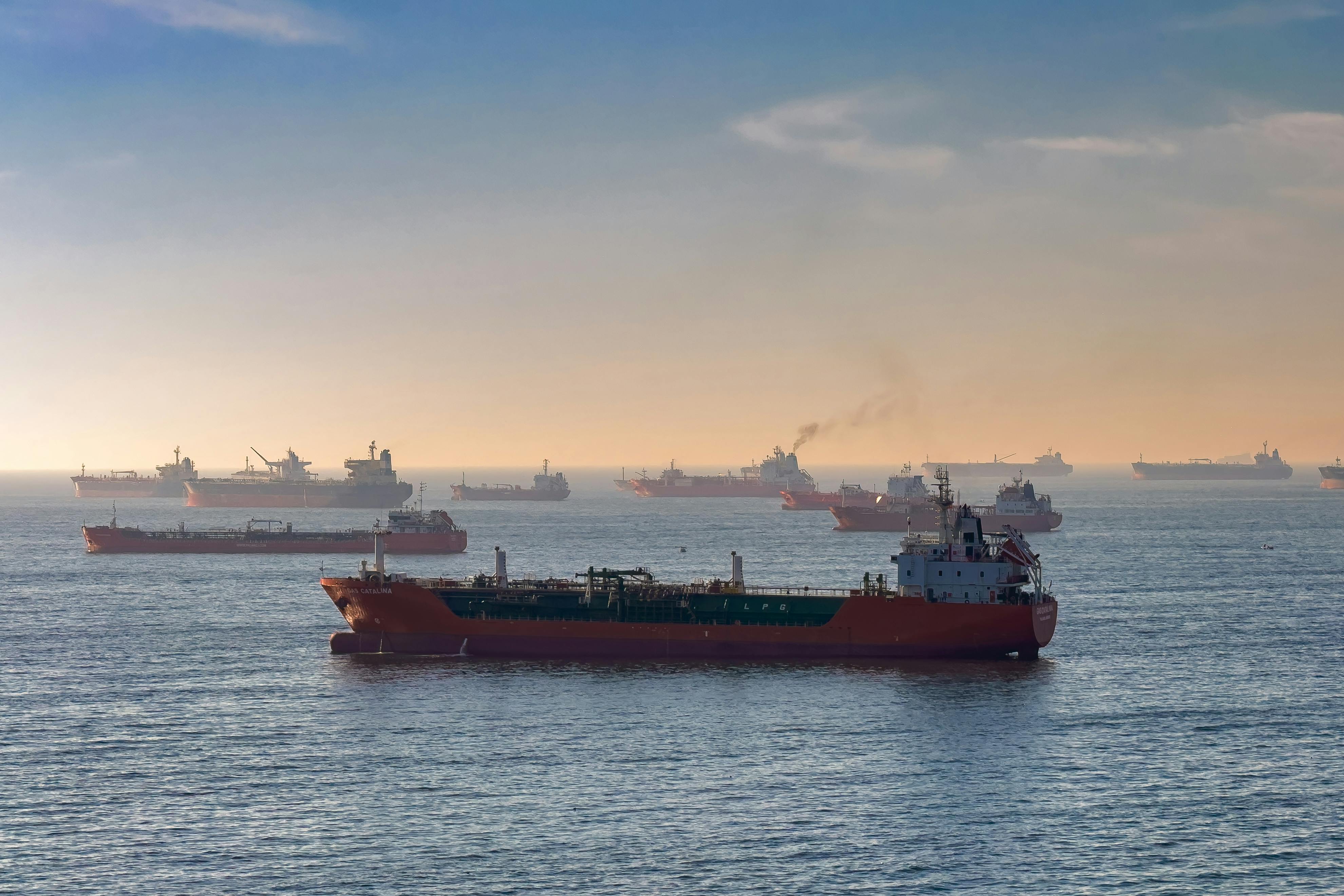
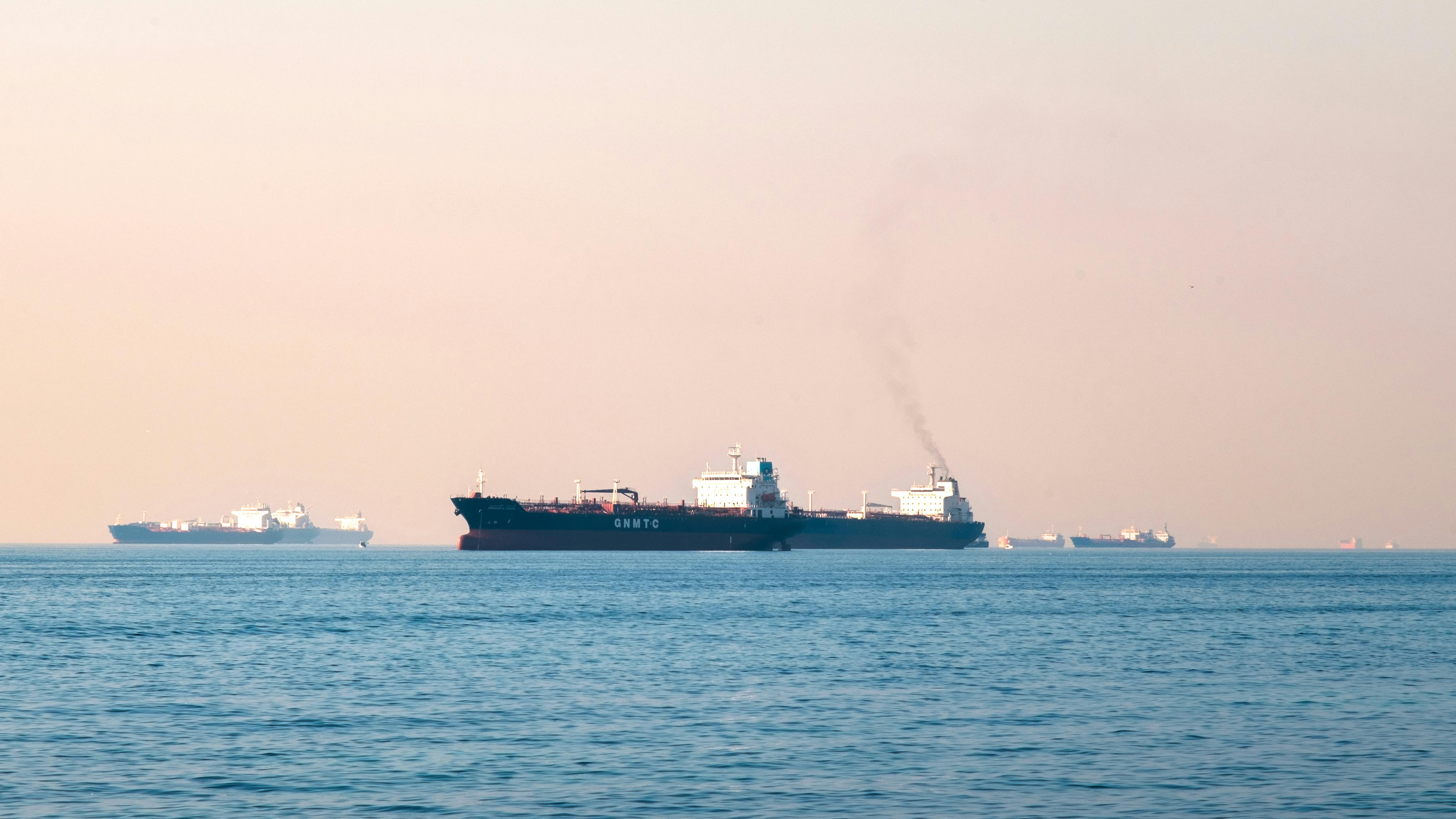
The diplomatic stall carries immediate economic stakes. Roughly 20 percent of the world’s oil and liquefied natural gas passes through the Strait of Hormuz, the narrow chokepoint between Iran and Oman that Tehran has repeatedly threatened to close if attacked. A closure would send energy prices spiralling and disrupt supply chains that stretch from Asian refineries to European gas storage at a moment when central banks from Frankfurt to Tokyo are still wrestling inflation back toward target.
Trump’s public assessment that the talks have a 1 percent chance of success signals that Washington’s patience is wearing thin and that a decision point is approaching.

Yara Halabi
Foreign affairs correspondent covering the Middle East, the Gulf and US foreign policy. Reports from London.