Putin's Beijing trip tests Xi after Trump's China visit
Putin's May 19-20 trip to Beijing days after Trump's China visit forces Xi to balance ties with Washington and Moscow as the Ukraine war raises pressure.
Vladimir Putin arrives in Beijing on Monday for a two-day summit with Xi Jinping, days after Donald Trump left the Chinese capital carrying a slate of trade pledges.
Trump’s visit yielded Chinese commitments to buy $17 billion in American agricultural goods a year through 2028 and an order for 200 Boeing aircraft, according to the White House readout. Putin now lands needing assurance that Beijing’s reopened channel with Washington has not weakened its partnership with Moscow, CNBC reported.
Kremlin spokesman Dmitry Peskov told reporters Moscow had “very serious expectations” for the trip. Putin, speaking before his departure, said the two sides were close to “a serious, very substantial step forward in the gas and oil sector”. Russia has cut its growth forecast for this year to 0.4 per cent from 1.3 per cent. The downgrade makes dependable Chinese demand for energy more urgent.
For Moscow, the summit carries material stakes. European buyers have reduced purchases of Russian oil and gas. China is one of the few remaining markets large enough to absorb the volumes Russia needs to sell. That gives Xi leverage before the formal talks begin.
Trump’s visit supplied Beijing with a public argument that engagement with Washington can still produce results. It also raised the political cost of appearing too eager to embrace Moscow in the same week. Any new energy pledge with Russia will be read in the White House as a signal of how far Xi is willing to go after reopening contact.
That pressure sharpened after the Financial Times reported that Xi told Trump during the visit that Putin might “regret” the invasion of Ukraine. The remark stopped short of a break with Moscow but did suggest Xi wants room to demonstrate to Washington that Beijing is not bound to every Russian position on the war.
Over the weekend, scrutiny intensified.
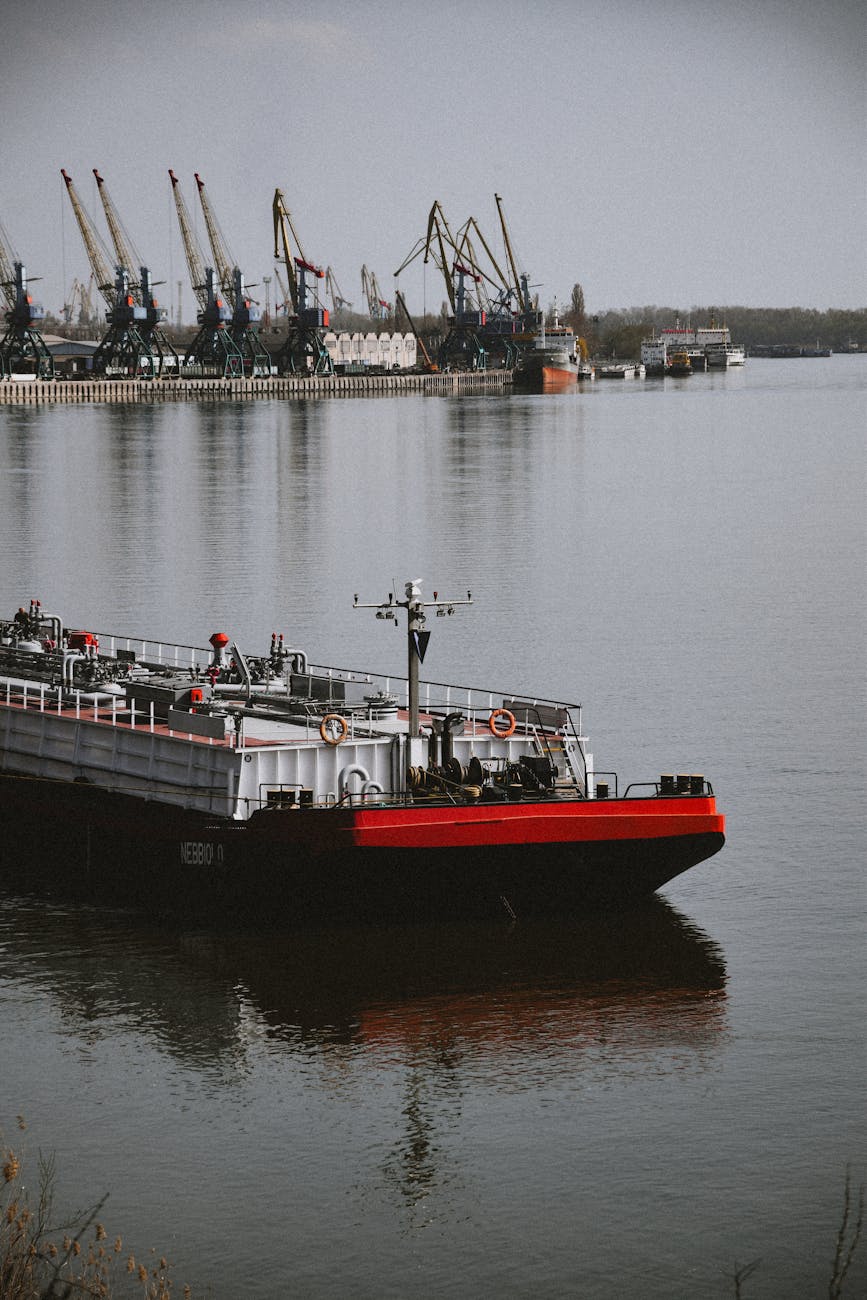
Al Jazeera reported that Ukrainian President Volodymyr Zelenskyy said Russia launched 524 drones and 22 missiles at Ukraine overnight. One of the unmanned aerial vehicles struck a vessel owned by China near the port of Odesa. Zelenskyy said the strike showed the war was reaching foreign commercial shipping as Putin prepared to meet Xi.
A Chinese-linked ship damaged near Ukraine turns a distant war into a direct commercial problem for Beijing. China has tried to shield its companies and sea lanes from the fighting. An incident at Odesa makes that harder to sustain on the eve of a summit meant to project control. It also undercuts Beijing’s long-standing position that it can maintain broad commercial interests without altering its formal stance on the war.
What Beijing must show
Xi does not need to pick a side in public this week.
He needs to show Trump that contact with China can still deliver, and he needs to show Putin that Moscow remains essential to Beijing’s strategic map. Each audience will read the summit for signs it is losing ground.
Beijing enters the talks holding more cards than Moscow. Russia needs export revenue and a large, reliable market for oil and gas, while China can use that dependence to keep Putin close. At the same time, Xi has reason to avoid any display that would look in Washington like a rejection of the opening Trump’s visit created.
The energy readout will be the most visible signal. If Xi and Putin announce a new commitment on oil or gas, Beijing will have demonstrated that warmer ties with the United States do not come at Russia’s expense. If the communiqué is thin, Moscow may conclude China is keeping its distance while it tests whether Trump’s outreach can yield a steadier relationship.
The May 19-20 summit will not resolve Beijing’s balancing act alone. It will reveal how Xi wants that balance to look in public during a week when the Ukraine war and great-power trade diplomacy are pulling in opposite directions — and how much room Beijing believes it has to reassure both capitals simultaneously.

Yara Halabi
Foreign affairs correspondent covering the Middle East, the Gulf and US foreign policy. Reports from London.