Warsh inherits divided Fed as inflation clouds rate-cut path
Kevin Warsh arrives at the Federal Reserve with inflation still above target, dissent inside the committee and markets scaling back hopes for quick rate cuts.
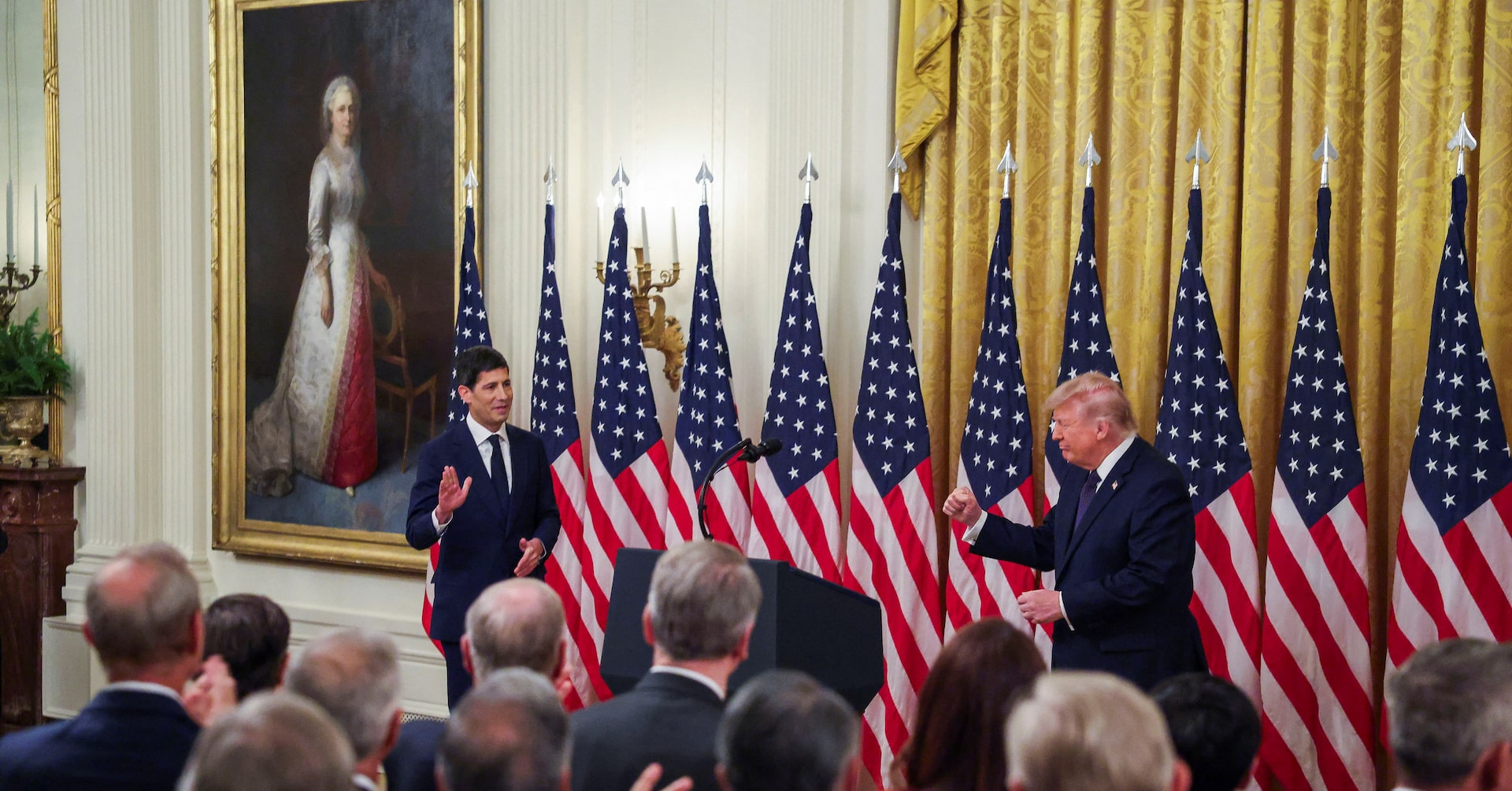
Kevin Warsh takes over the Federal Reserve with inflation still running hot enough that quick rate cuts are a hard sell. The CNBC report on the handover arrived days after April consumer prices rose 3.8 per cent from a year earlier. The two together leave the incoming chair running a central bank that is still fighting over how restrictive policy needs to remain.
The question for Warsh is not simply whether rates can come down this year. It is whether he can convince a divided committee, and the market watching it, that easing would not look reckless with the federal funds rate still pinned at 3.50 per cent to 3.75 per cent after an April meeting that saw four dissents. For households, companies and the White House, the gap between a chair managing a consensus and one managing a dispute will shape borrowing costs more than any speech.
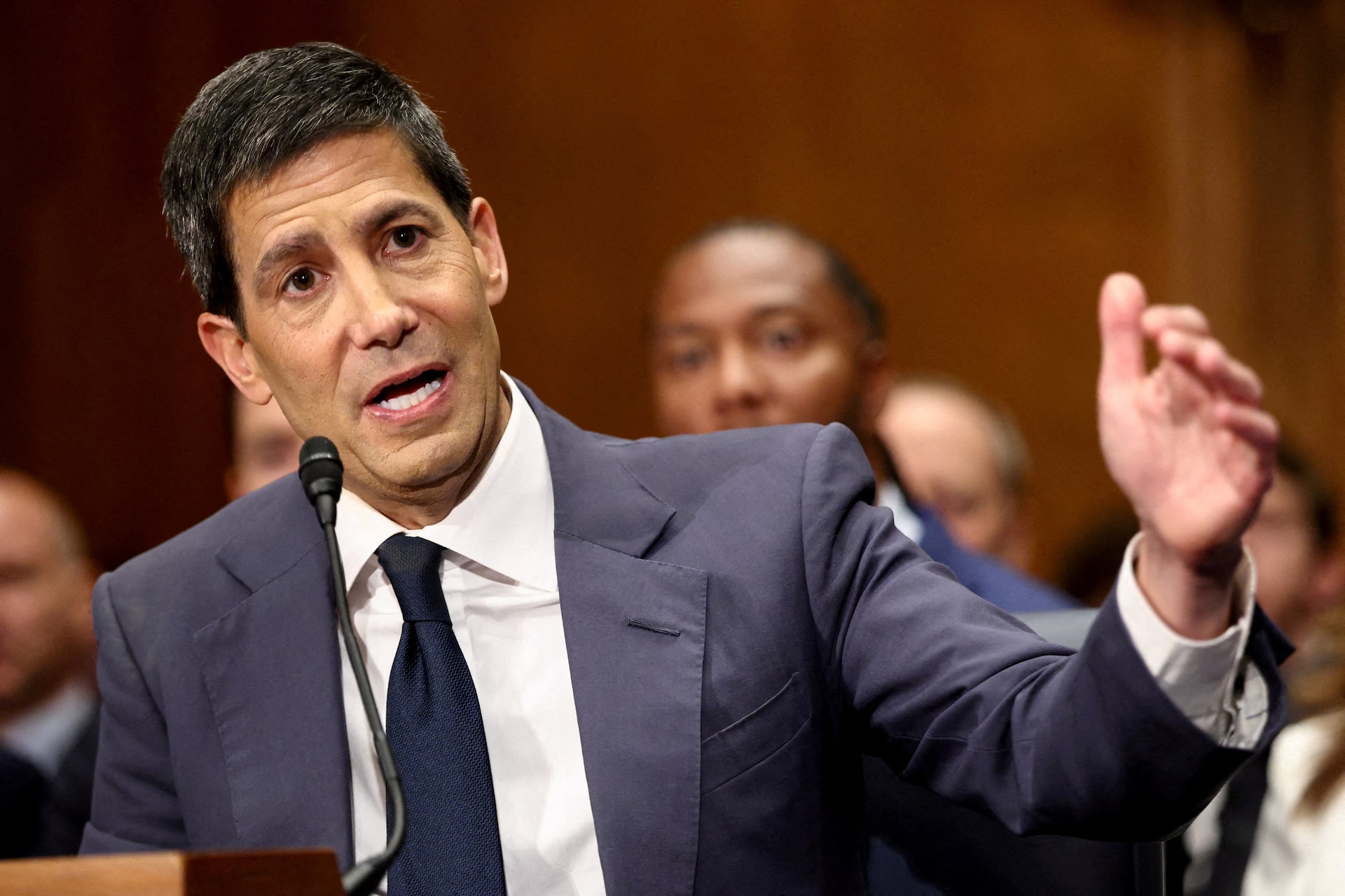
Warsh does not treat disagreement as a liability. He called the policy debate a “good family fight”, signalling comfort with a louder internal argument than the Powell era tended to show in public. That may please those who want sharper debate after years of emergency policy swings. But it also points to a risk: when inflation is still above target, a Fed that sounds openly divided can read as less flexible than it means to be. Every public disagreement pushes investors to ask whether the committee is split over timing, direction or credibility.
The inflation numbers leave Warsh little room to test the dovish end of that argument right away. Core prices were up 2.8 per cent year on year in April. Lower than the headline pace, but still far enough from target that no one gets a victory lap. Loretta Mester, the former Cleveland Fed president, told CNBC: “I just don’t think right now he can make those arguments in a credible way, because we have an inflation problem.” The line is blunt and the inheritance is harder than the political discussion around the chairmanship tends to suggest. A Fed chair can reset tone in weeks. Resetting the facts underneath the tone takes quarters.
Why the split matters
The institutional challenge is straightforward. Warsh has one vote. He carries the weight of everyone else’s message. The April decision showed the committee was already straining to hold a single line. Four dissents do more than signal that debate exists. They tell investors to price the chance that policy could tilt in different directions depending on which concern wins out: still-high inflation, softer growth, or pressure to defend the labour market before activity weakens further.
That is where Warsh’s own policy instincts matter. In an April hearing covered by Reuters via WTAQ, he argued that a smaller central bank balance sheet would mean “interest rates could be lower, inflation could be better, and the economy could be stronger.” The line offers a clue about how he might square the circle. Rather than pitching early rate cuts as a straightforward response to weaker growth, Warsh may prefer to argue that tighter balance-sheet discipline eventually creates room for lower policy rates. That case takes time to build, but it at least holds together better than promising relief while prices are still proving stubborn.
The Fed’s own March projections are part of the problem. They gave markets a formal baseline for where officials expected growth, inflation and rates to land. Then April inflation came in hotter than most investors wanted. The baseline began to look less like a glide path and more like a document already in need of reinterpretation. An incoming chair inherits the policy rate and the credibility of those earlier signposts. Push too hard against them and he looks political. Treat them as fixed and he looks behind the data.
What markets will watch first
Markets care less about Warsh’s biography than about his sequencing. Does he spend his first months building a centrist coalition around patience? Or does he try to redefine the terms by arguing the Fed has kept policy tight through the wrong channel? The distinction touches everything from mortgage pricing to Treasury yields. A patient chair can keep longer-term borrowing costs elevated without another rate increase. A chair who sounds impatient for cuts, without a clear improvement in the inflation data, could set off exactly the kind of repricing that tightens financial conditions rather than easing them.
The Atlanta Fed’s May 12 essay made clear how quickly officials can be forced to adjust to a new run of shocks. In that environment the market is not just asking whether inflation will cool. It is asking which Fed voices matter most when the data turns messy. Warsh may welcome a noisier committee. Investors tend to reward a committee that sounds as if it knows which risk it fears most.
The early test for Warsh is likely rhetorical, not numerical. He does not need to cut rates immediately to change the terms of the debate. He does need to explain, with some precision, why a divided committee should still be believed when it says policy is restrictive enough and flexible enough at the same time. If he cannot do that, each inflation print will revive the same fight, and markets will keep treating any hint of easing as temporary.
For now, the evidence points away from a fast pivot. Inflation is still too high for an easy dovish turn. The committee has shown unusual public disagreement. Warsh’s own remarks suggest he will look first at the Fed’s balance sheet and operating framework rather than at a quick cut in the policy rate. Borrowers wait longer for relief. The White House faces a familiar problem: monetary policy can dominate the political mood even when the personnel at the top changes.

Marcus Holloway
Markets editor covering UK gilts, sterling and the Bank of England. Previously a fixed-income strategist in the City.