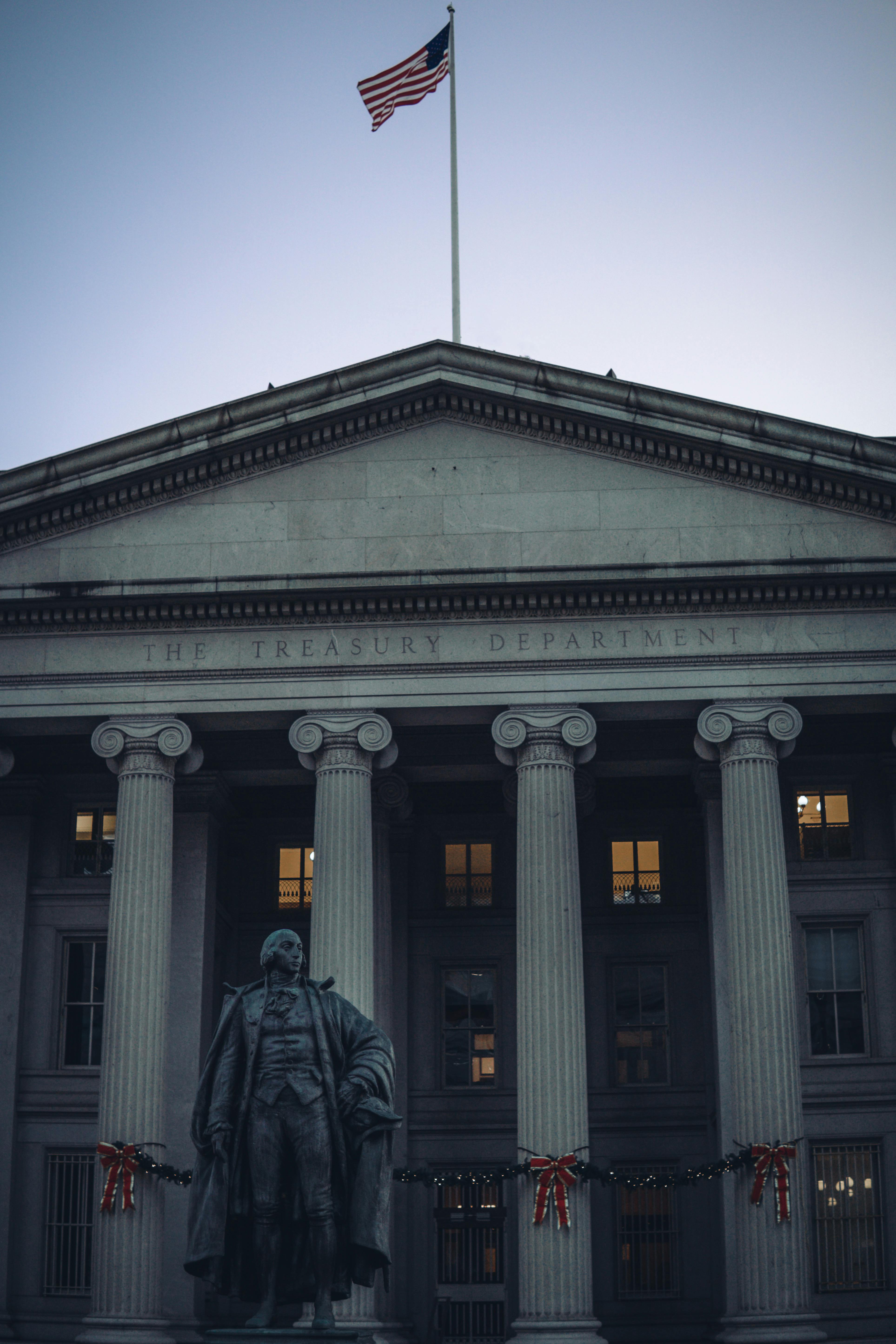
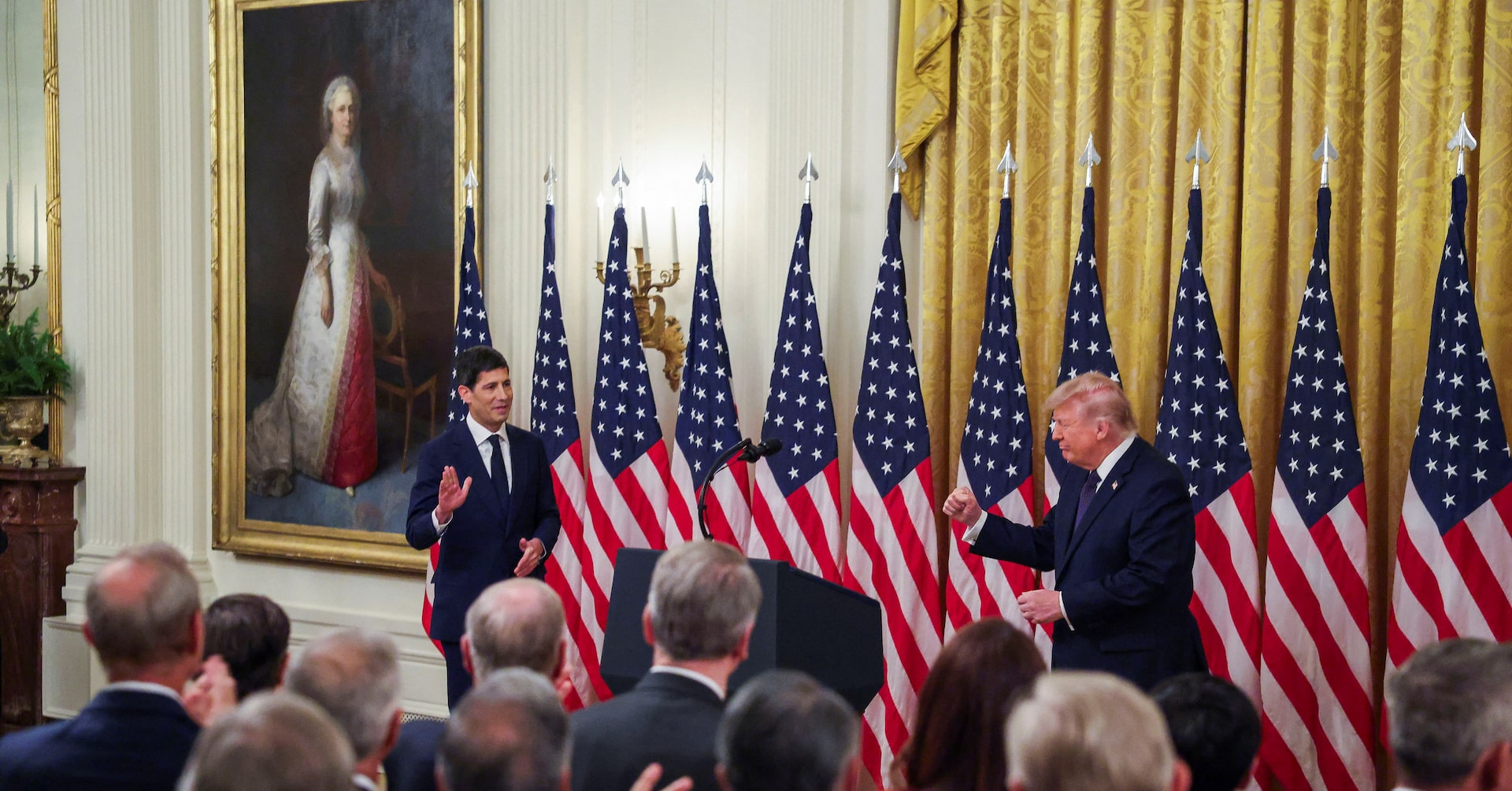
Powell interim Fed role sparks fresh fight before Warsh takes over
Jerome Powell's temporary role before Kevin Warsh takes over the Federal Reserve has become a new flashpoint over independence, board authority and how markets will read the transition.
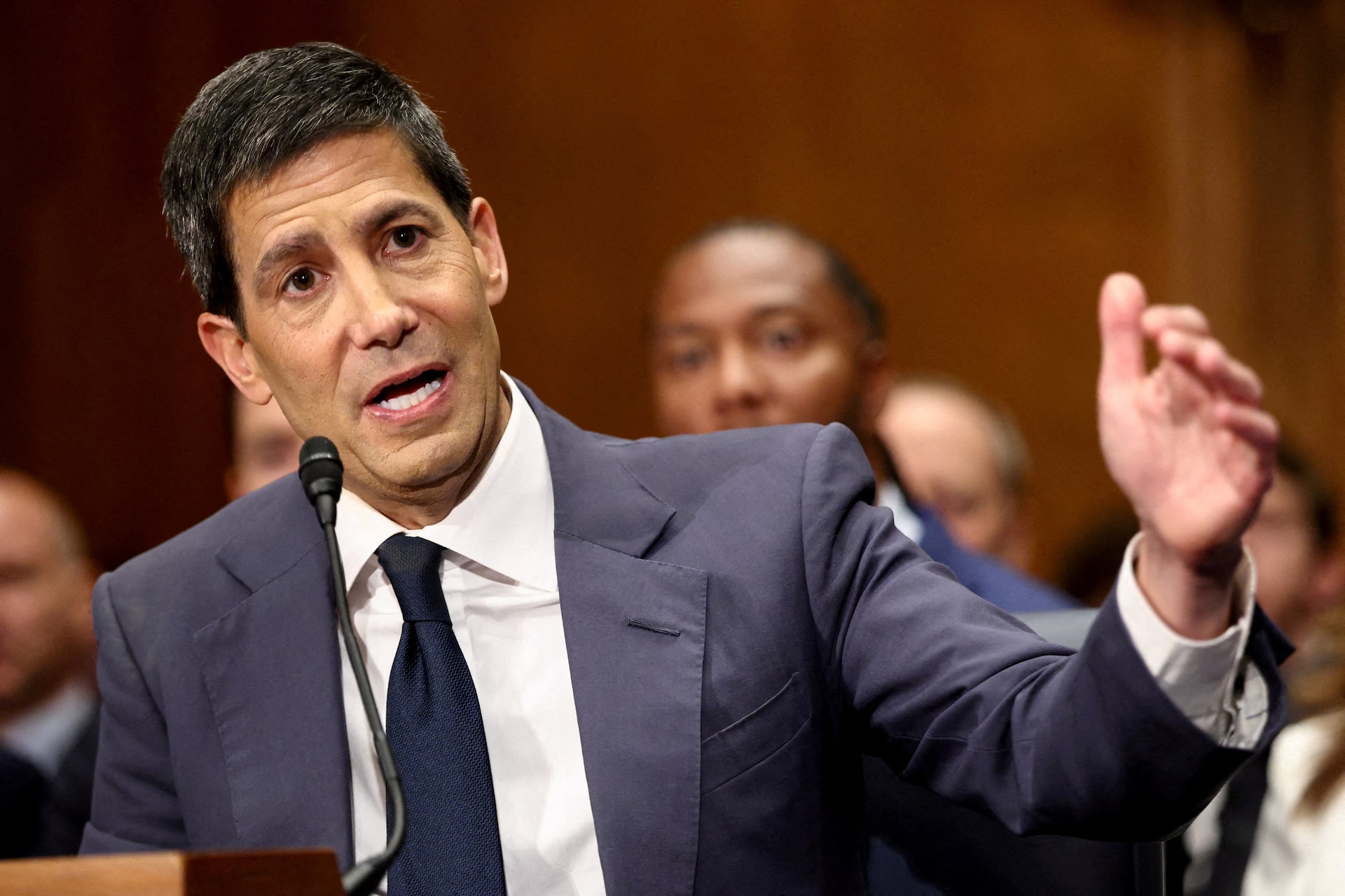
Jerome Powell’s brief run as the Federal Reserve’s temporary chair before Kevin Warsh is sworn in is turning into a fresh political fight, after dissent inside the board reopened a question that usually stays behind closed doors: who controls the handoff at the US central bank. The dispute follows the Senate’s 54-45 confirmation of Warsh, President Donald Trump’s pick to lead the Fed, and has pushed what should be a routine bridge arrangement into a louder fight over the central bank’s independence and how much pull the White House can exert even as a chair heads for the exit.
The clash matters because Powell is not leaving the building when he gives up the chair. According to PBS News/AP, Warsh won confirmation while Powell’s term as a Fed governor runs until January 2028. The incoming chair could take over with his predecessor still on the board, an overlap that is technically legal but politically sensitive in a Fed already showing unusual internal strain. Policymakers logged three dissents at the latest meeting, the most in more than three decades, another sign the transition is arriving at a tense moment.
Barron’s reported that the board’s move to designate Powell as temporary chair drew objections from Fed governors aligned with Trump, turning a routine administrative step into a public test of the institution’s norms. Those norms carry weight in markets because succession at the Fed is meant to signal continuity even when policy views change. Instead, investors are watching a handoff framed in partisan terms, with who sits in the chair becoming a proxy for how quickly Warsh might reshape the central bank.
Powell has made clear he does not see the overlap as a dual-command arrangement. “I’m literally staying because of the actions that have been taken,” he said, according to PBS News/AP. He also insisted that “There is only ever one chair of the Federal Reserve board.” The blunt wording made clear how fraught the transition has become before Warsh has even been sworn in.
The timing is sensitive because Trump has long pressed Powell over interest-rate policy, and Warsh arrives with a reputation as a more activist figure on the institution’s structure and communication. Yet the immediate question is narrower: whether the board can manage a short gap between confirmation and swearing-in without turning the process into a fresh confrontation over legitimacy. If that gap becomes contested, even a mundane procedural move can feed doubts about whether the Fed is governing itself or reacting to outside political pressure.
Why markets are watching
Warsh’s actual policy agenda may take longer to show through than the transition drama suggests. Reuters reported this week that he has big plans for the Fed, but that results may take time. Former governor Randall Kroszner told Reuters that “It’s not just ‘off with their heads’ or suddenly tomorrow we’re going to have the balance sheet be $4 trillion.” The governance fight is unfolding before investors have seen Warsh run a meeting, shape a statement or build a coalition around rates and the balance sheet.
A disputed interim arrangement can shape how traders read the first weeks of a new chair’s tenure, especially when the predecessor remains in the room and the board has already shown visible disagreement. Warsh’s term as chair runs for four years, according to Reuters, giving him time to put his stamp on policy. For now, the market signal may turn less on any shift in rates than on whether the transition looks orderly, contested or politically managed.
Powell’s decision to stay on as a governor preserves a formal role at the Fed after surrendering the chairmanship. For Warsh, the opening stretch will be judged on whether he can assert authority without turning the institution’s internal divisions into a broader spectacle. Trump, meanwhile, keeps the Powell question alive beyond the confirmation vote. None of that changes the Fed’s legal structure overnight. But it raises the stakes around the swearing-in and the first decisions that follow, because markets and Washington will be watching the same question: whether the transition closes one power struggle at the central bank or starts another.
Marcus Holloway
Markets editor covering UK gilts, sterling and the Bank of England. Previously a fixed-income strategist in the City.