Kevin Warsh sworn in as Fed chair under market pressure
Kevin Warsh's swearing-in as Federal Reserve chair starts a handover that markets will judge by his first statements on rates, inflation and independence.
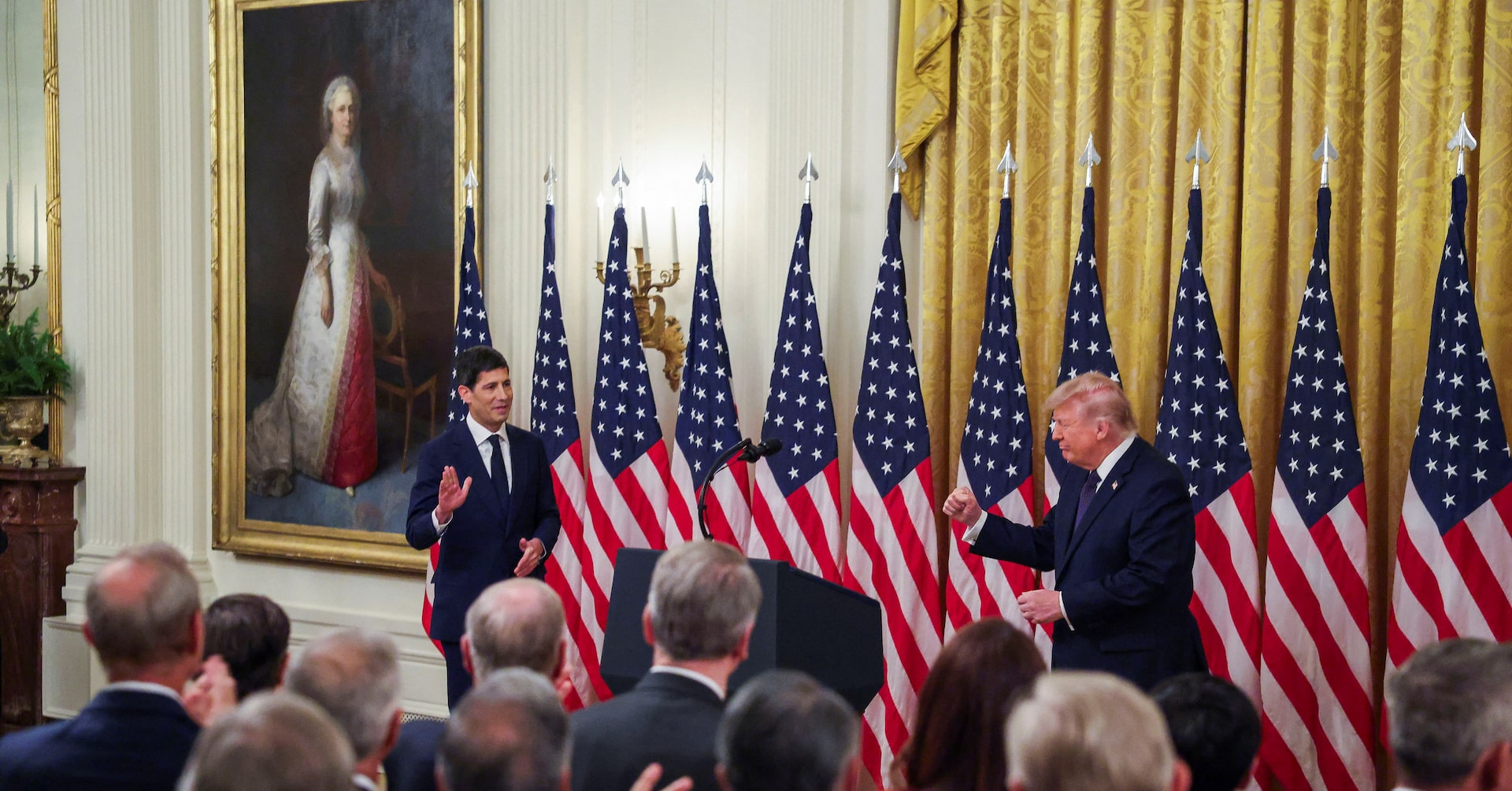
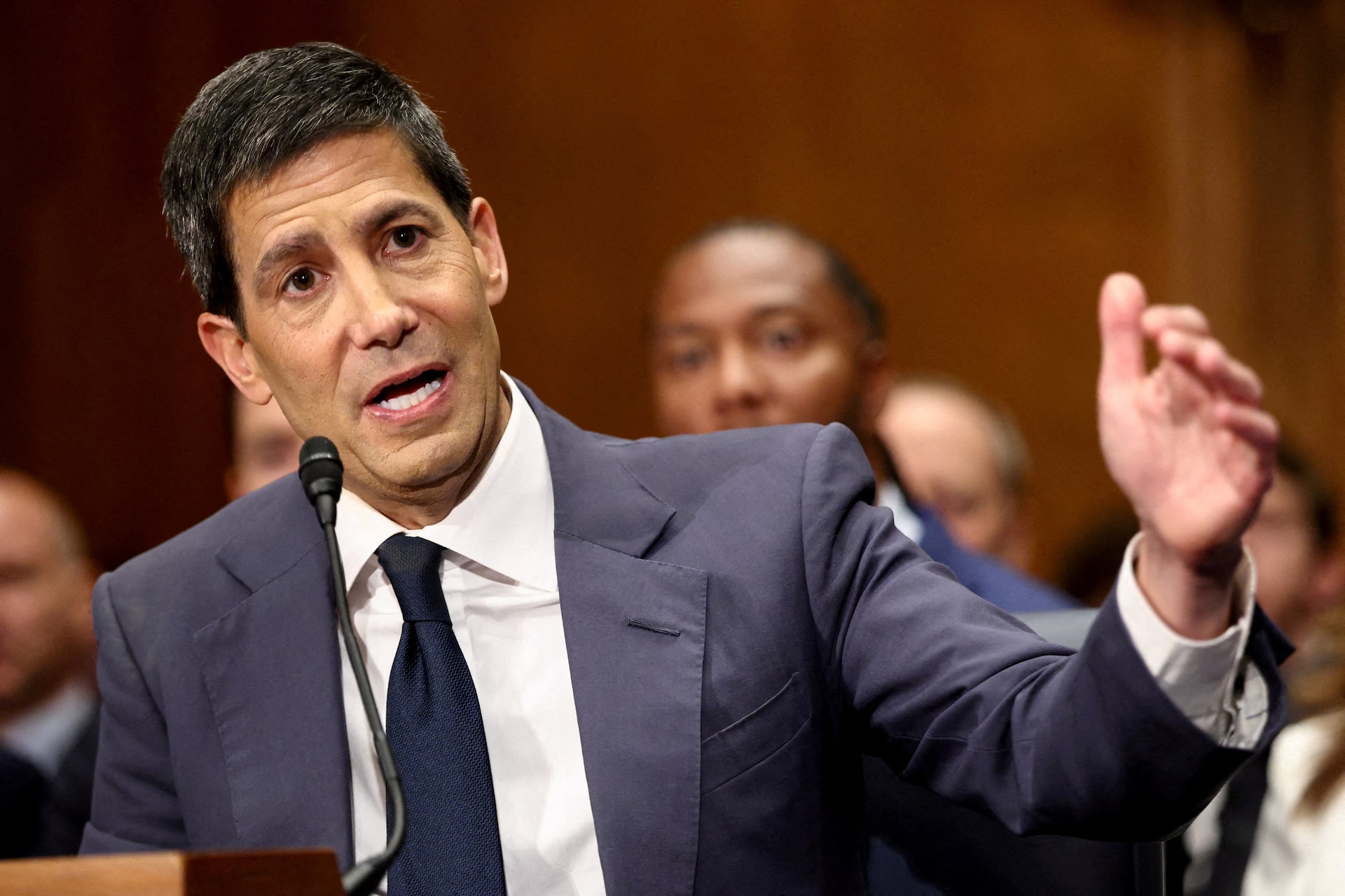
Kevin Warsh was sworn in as chair of the Federal Reserve on Friday, installing a new leader at the US central bank just weeks before policymakers meet again with inflation above target and President Donald Trump calling for lower rates.
The Federal Reserve said Warsh took the oath of office as chair and as a member of the Board of Governors, and that the Federal Open Market Committee unanimously selected him as its chair. The handover from Jerome Powell comes less than a month before the Fed’s June 16-17 policy meeting, giving markets little time to judge whether Warsh will change the central bank’s message or largely keep Powell’s approach.
The Fed’s statement stuck to process. It described the oath and the committee vote, but it gave no policy signal, leaving traders and economists to wait for Warsh’s first comments as chair.
CNN reported that Warsh took the oath at the White House, placing the ceremony inside the political fight over rates. Investors have spent months debating how closely he will align with Trump on interest rates, inflation and the Fed’s balance sheet.
In remarks reported by Reuters, Warsh said he intended to reshape the institution without abandoning its standards, saying: “I will lead a reform-oriented Federal Reserve, learning from past successes and mistakes, both escaping static frameworks and models and upholding clear standards of integrity and performance.”
Reuters reported that Warsh, 56, takes over with inflation still above the central bank’s 2 per cent target and consumer sentiment under pressure. His first public comments as chair pointed to procedural change rather than a break with the Fed’s mandate.
Immediate policy test
Attention now turns to the June 16-17 meeting, the first scheduled policy gathering of Warsh’s term. CNBC reported before the ceremony that he would become the 11th Fed chair in the modern era and that the central bank has missed its 2 per cent inflation goal for more than five years. That record leaves little room for an early symbolic move on rates if price pressures remain sticky.
Trump has already made clear what he wants from the new chair. In comments cited by Reuters, the president said, “We’re going to get the rates down.” Investors will be watching whether the Fed’s first statements under Warsh follow economic data or White House demands.
To markets, the handover matters as much for tone as for any immediate vote on rates. A cautious statement after the June meeting, or a clear defence of the central bank’s mandate, could reassure traders looking for continuity after a politically charged transition. A faster shift toward easier policy would raise fresh questions about how much room Warsh thinks the Fed has while inflation remains above target.
Powell’s departure also shortens the market’s memory buffer. Each public appearance by Warsh in the coming weeks is likely to be parsed for clues on whether he wants to preserve Powell’s communication style or establish a more overtly reform-minded chairmanship from the start.
Warsh’s swearing-in ends one Fed tenure and starts a compressed stretch in which markets are likely to form their first judgement from his policy messaging, not the ceremony itself. With the next meeting only weeks away, investors will be watching how the new chair explains what the central bank will do next.
Marcus Holloway
Markets editor covering UK gilts, sterling and the Bank of England. Previously a fixed-income strategist in the City.