Oil climbs as Trump warns Iran truce on life support
Brent crude closed at $107.77 a barrel Monday after Trump dismissed Iran's ceasefire offer and warned the truce was on "life support," prolonging Hormuz closure.
Brent crude rose for a third consecutive session on Monday, closing at $107.77 per barrel, after President Donald Trump dismissed Iran’s latest ceasefire counteroffer and warned the fragile truce between Washington and Tehran was on “life support.”
The July Brent contract settled 3.4% higher on the session. West Texas Intermediate for June delivery rose 4.2% to $102.18. Both benchmarks have gained roughly 45% since the US-Israeli military campaign against Iran began on February 28, adding billions to global fuel costs and complicating central-bank efforts to contain inflation that was already running above target in most advanced economies.
Trump’s rejection of the Iranian proposal, delivered at a White House press availability, was characteristically blunt. “The ceasefire is on life support,” he said. “[Iran’s response was] garbage.”
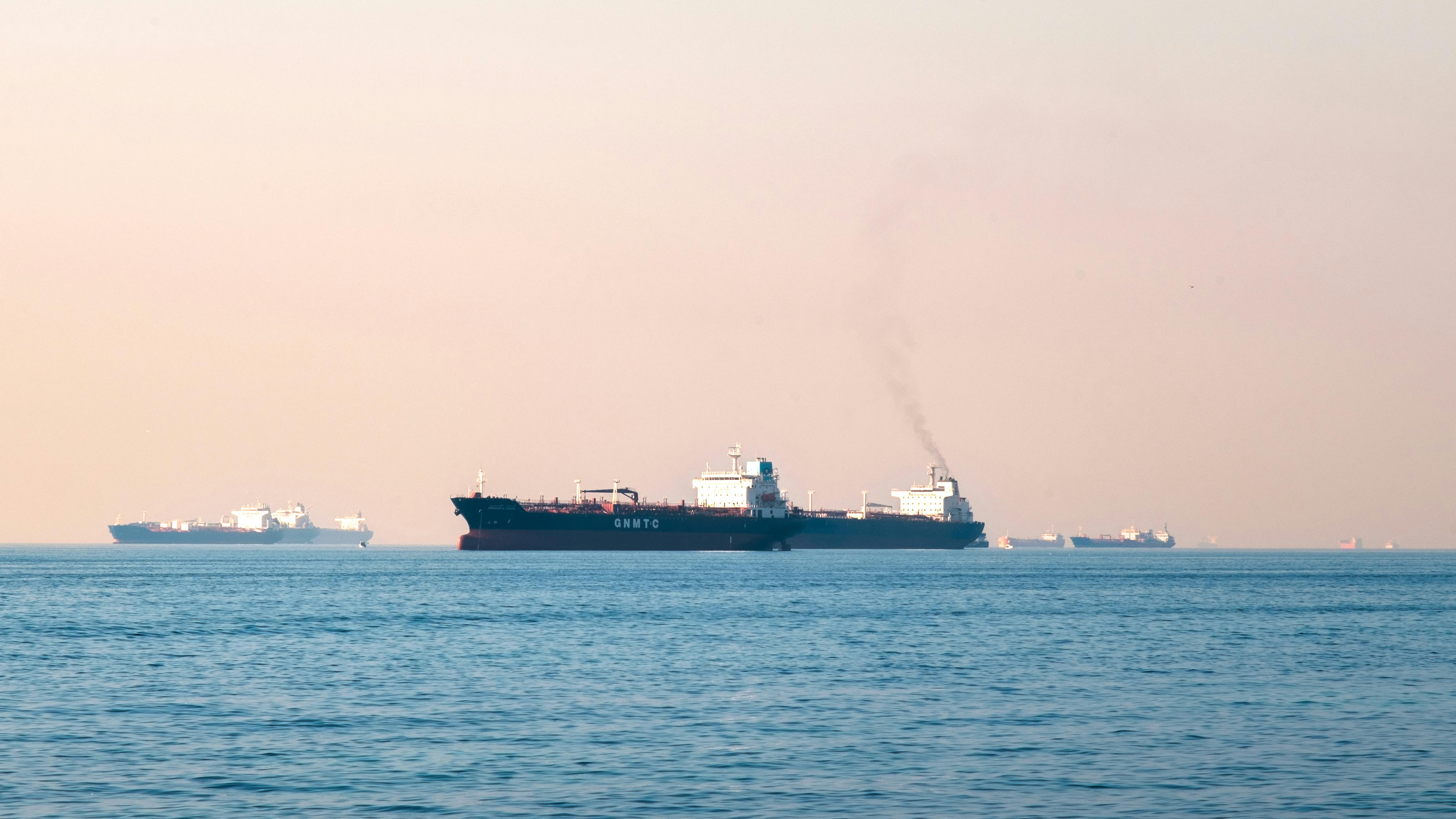
Those remarks mark the second time in three days the president has publicly dismissed an Iranian diplomatic overture, following a similar rejection on May 10. That pattern has hardened expectations among traders and diplomats that the standoff will persist well into the summer, keeping the Strait of Hormuz — the narrow channel through which roughly one-fifth of the world’s oil and liquefied natural gas passes — effectively closed to normal commercial traffic.
Saudi Aramco estimates the disruption is removing 100 million barrels of crude from global supply each week. That closure is now approaching its third full month. Brent’s six-month backwardation, a measure of near-term scarcity, widened on Monday to its steepest level since the 2022 Ukraine invasion. The losses are compounding.
The supply squeeze
Former senior energy advisor to President Joe Biden, Amos Hochstein, warned that the window for a negotiated opening is narrowing fast. “We’re in a no war, no oil, no straits condition,” Hochstein told CNBC. “The oil market is heading toward a cliff if the U.S. and Iran don’t strike a deal by June.”
His June deadline reflects an assessment shared by several large physical oil traders: that strategic petroleum reserves and floating storage are on a depletion trajectory that becomes irreversible if the strait stays closed past mid-year.
Saudi Aramco chief executive Amin Nasser offered a similarly stark timeline for normalisation, even under optimistic assumptions. “If the Strait of Hormuz opens today, it will still take months for the market to rebalance,” Nasser told the BBC. “And if its opening is delayed by a few more weeks, then normalisation will last into 2027.”
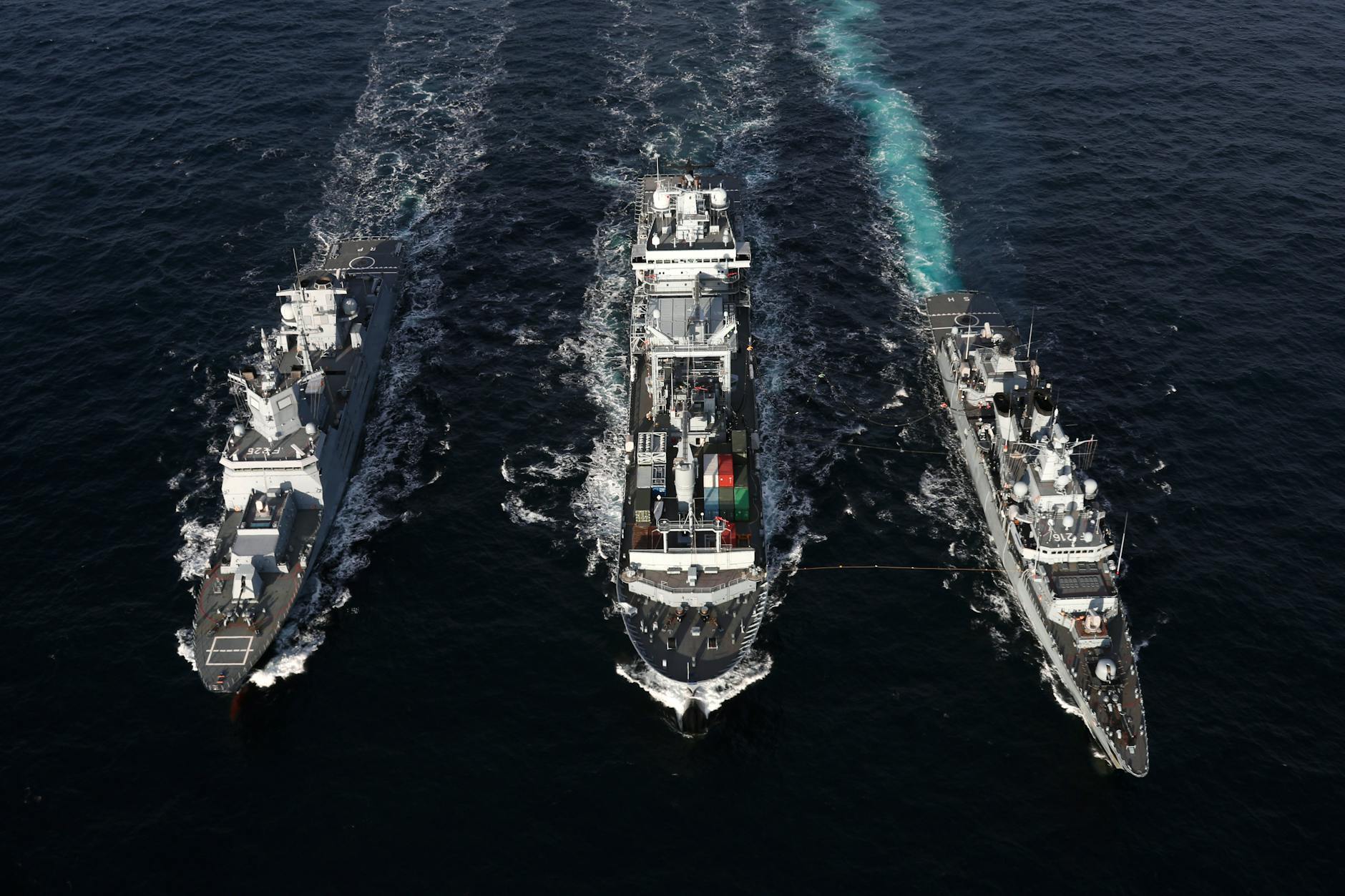
That ceasefire, first agreed on April 8 and extended on April 21, has held only in the narrowest sense. Roughly 90 cargo ships continue to transit the strait daily, Asharq Al-Awsat reported, but insurers have priced the risk at levels that make standard crude shipments uneconomic for many operators. War-risk premiums on hull and cargo insurance for Hormuz transits have risen to between 0.5% and 1% of vessel value, up from roughly 0.05% before the conflict, according to London marine-insurance market sources.
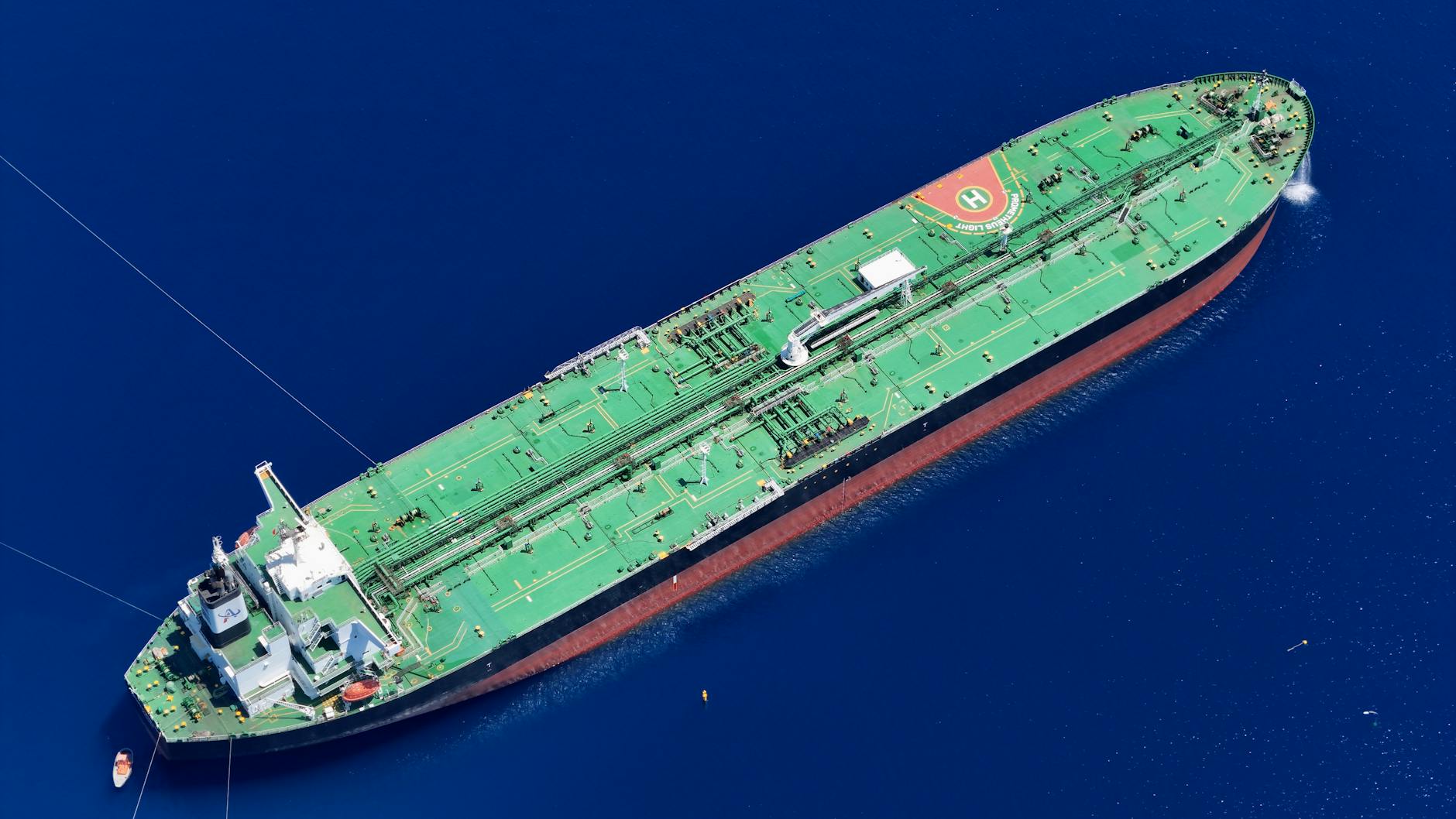
OPEC output has already fallen to a 26-year low as a direct consequence of the closure, hitting levels not seen since the late 1990s. Spare capacity in the Gulf states remains ample on paper — Saudi Arabia, the UAE, and Kuwait collectively hold several million barrels per day of idle production capacity — but the logistics of bypassing Hormuz have proven insufficient. Overland pipelines and the UAE’s Fujairah terminal, which sits outside the strait on the Gulf of Oman, can handle only a fraction of the volumes that normally pass through the waterway. Iraq’s Basrah crude, loaded from Gulf terminals south of the strait, has seen prices surge as buyers compete for the limited alternatives.
Analysts at several major banks have raised their second-half Brent forecasts above $115, though they caution that a genuine ceasefire breakthrough could unwind the risk premium as quickly as it built. Goldman Sachs on Monday lifted its three-month Brent target to $118, citing the “persistent and deepening” supply deficit. The next scheduled round of talks has not been confirmed. Trump offered no timeline for a resumption, and administration officials declined to say whether back-channel communications with Tehran were continuing.
The diplomatic track
Negotiations now rest with a small group of intermediaries. China’s President Xi Jinping, who met Trump for a summit in Seoul last week, has offered to broker a restart of direct US-Iran negotiations. Beijing has a strong economic interest in a stable Hormuz — China is the largest single buyer of Middle Eastern crude — but its ability to bridge the gap between Washington’s demand for a verifiable Iranian withdrawal and Tehran’s insistence on sanctions relief as a precondition remains untested.
Diplomats from Europe have also pressed both sides to return to the table, though their leverage is limited. The Europeans are not party to the ceasefire agreement. The original truce was brokered by Oman and Qatar, whose mediation capacity is now stretched thin.
For now, the market is pricing a prolonged disruption and no obvious off-ramp.

Pria Kothari
Energy and commodities correspondent covering OPEC, oil markets and the Gulf. Reports from London.