Trump says Iran ceasefire on 'life support' as Beijing summit looms
President Trump says the Iran ceasefire is on "massive life support" and warns of potential combat operations days before departing for a Beijing summit with Xi Jinping.
President Donald Trump signalled on Monday that the United States is weighing a resumption of combat operations against Iran, describing the month-old ceasefire as being on “massive life support” just days before he departs for a summit with Chinese President Xi Jinping in Beijing.
Trump’s comments, reported by Axios, mark the sharpest public deterioration of the truce since it took effect in late April. Brent crude futures climbed above $105 per barrel on the remarks, extending a rally that has added roughly 20 per cent to global benchmark oil prices since the Iran conflict began.
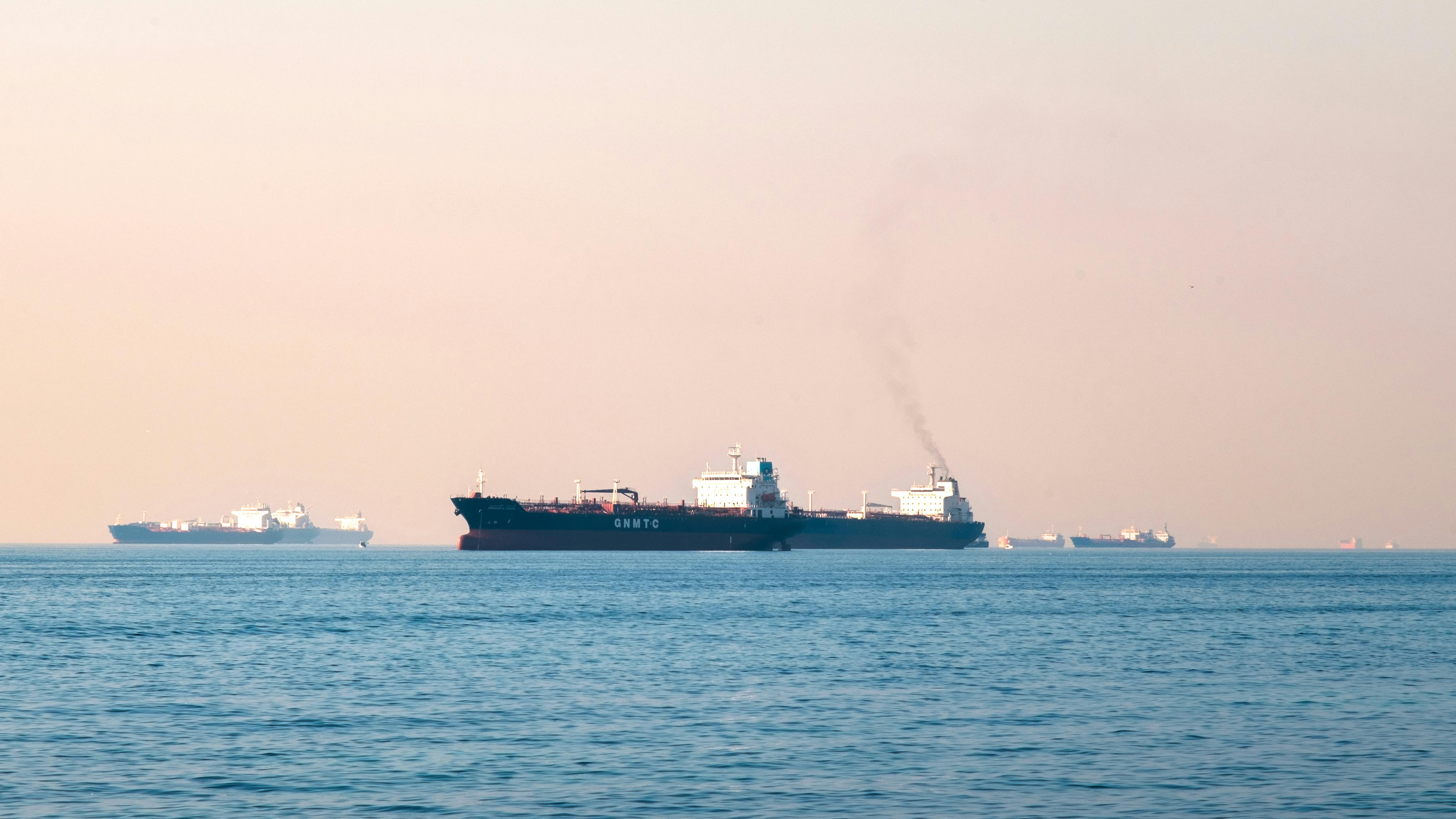
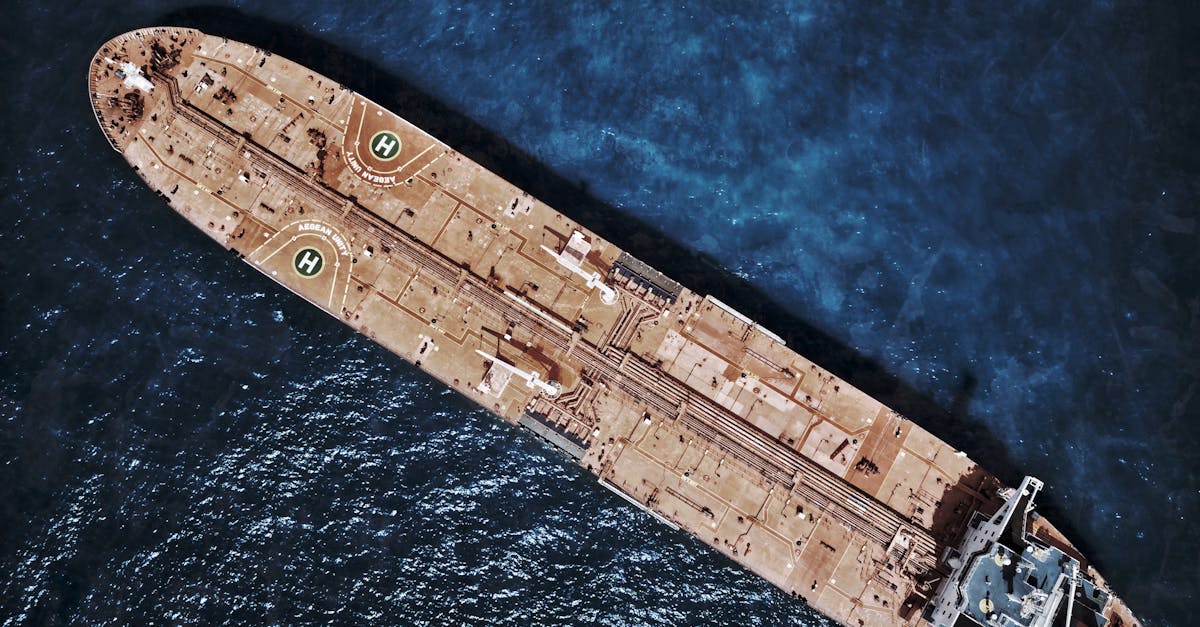
He told reporters he was considering military options after Iran’s latest diplomatic counter-proposal failed to meet U.S. demands on uranium enrichment levels and shipping access through the Strait of Hormuz — the 21-mile-wide choke point through which roughly a fifth of the world’s oil supply passes each day.
“The ceasefire with Iran is on massive life support,” Trump said. “It’s like the doctor walks in and says your loved one has approximately a 1 per cent chance of living.”
Iran is now enriching uranium to 60 per cent purity, according to Al Jazeera — a short technical step from weapons-grade material — while insisting that sanctions relief must precede any discussion of halting its nuclear programme. The country’s Foreign Ministry spokesman, Esmaeil Baghaei, described Iran’s counter-proposal as “reasonable and generous,” directly contradicting Trump’s characterisation of Tehran’s position as unacceptable.
“I don’t like it. It is inappropriate,” Trump said of the Iranian offer.
Behind the rhetoric, weeks of indirect talks brokered through intermediaries in Oman and Qatar have yielded almost no common ground. The ceasefire itself was engineered in mid-April after an escalation that saw U.S. forces strike two Iranian vessels in the Strait of Hormuz and Iran-backed militias launch drone attacks on tankers near the Emirati coast. That framework papered over the nuclear question with a commitment to “further discussions” — discussions that, by Monday, had plainly collapsed.
The diplomatic scramble
Third-party mediators have been drawn back into the effort by the impasse. Pakistan, which maintained backchannel contacts with both Washington and Tehran during the earlier phase of hostilities, is scrambling to salvage what remains of the diplomatic track. Pakistani officials have held calls with Secretary of State Marco Rubio and Iranian counterparts in the past 48 hours, though no breakthrough has emerged.
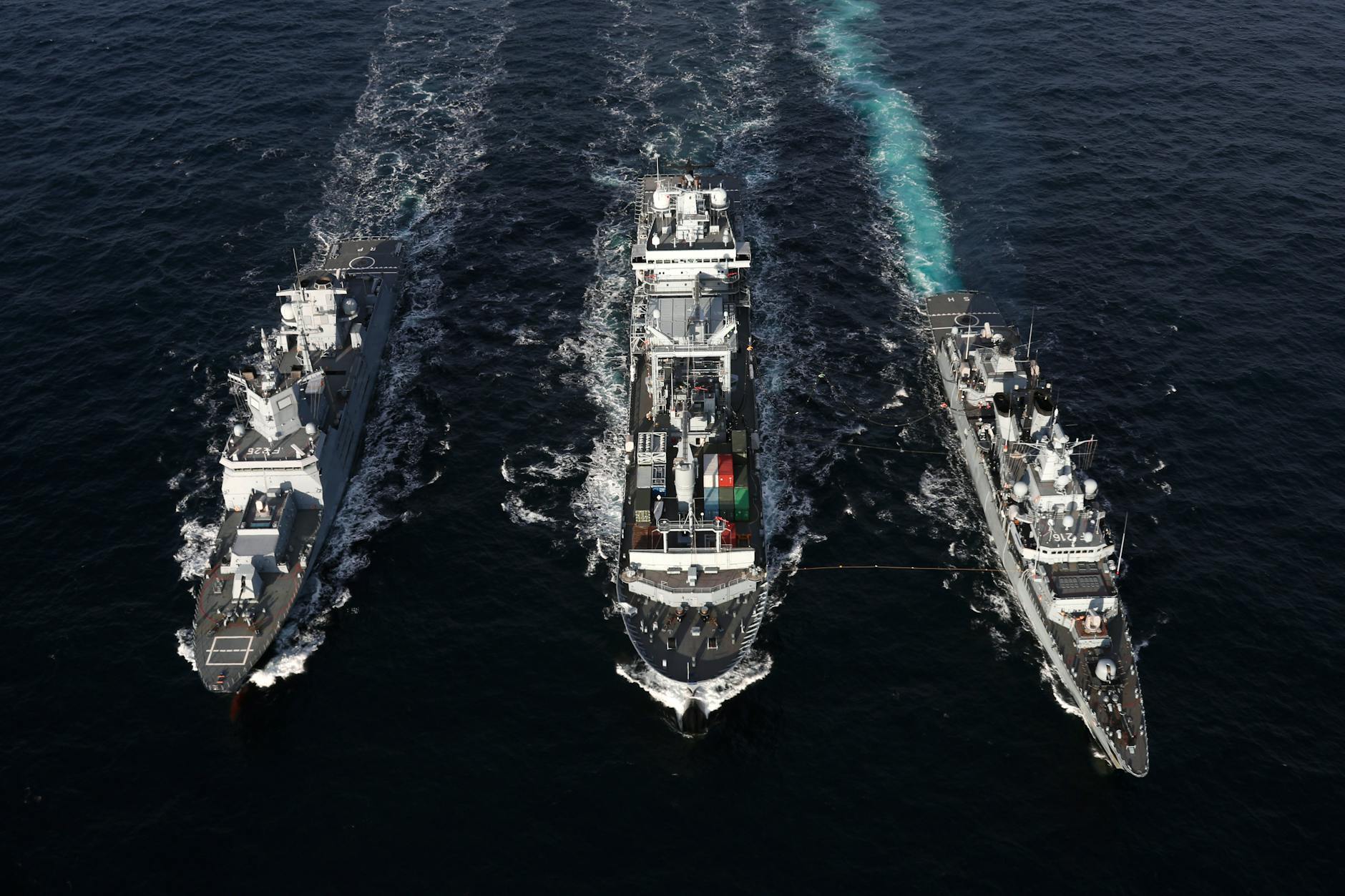
Trump’s hardening posture also coincides with mounting military pressure in the Gulf. The U.S. Navy intercepted Iranian attacks on three American warships in the Strait of Hormuz earlier this month, an incident that led U.S. commanders to request expanded rules of engagement from the White House. The Pentagon has not confirmed whether those requests have been granted.
“The Iranian leadership is divided between moderates and lunatics,” Trump said, declining to specify which faction he believed held the upper hand in Tehran.
China’s stake
A breakdown in U.S.-Iran diplomacy threatens to dominate the agenda when Trump meets Xi in Beijing this week. China, which imports roughly a quarter of its crude oil through the Strait of Hormuz, has a direct economic stake in preventing renewed hostilities. Beijing has signalled through diplomatic channels that it views the situation as an opportunity to position itself as a stabilising force — a stance that will test Trump’s willingness to trade near-term pressure over Tehran for broader concessions on trade and technology from Xi.
Officials have not disclosed the full agenda for the Beijing summit, but those familiar with the planning said Iran, tariffs, and a stalled semiconductor export deal would be on the table. A separate round of U.S.-China trade talks in Seoul last week ended without agreement, leaving the Hormuz crisis as the most urgent shared problem facing the two leaders.
As Trump indicated previously, the president views Chinese involvement in the Iran file as transactional. Xi, for his part, is thought to believe that Beijing can extract a higher price for its cooperation now that the ceasefire is visibly crumbling.
Markets price in escalation
Brent crude settled at $105.42 per barrel on Monday, up nearly 8 per cent from the close before Trump’s remarks. Analysts at Goldman Sachs warned in a client note that a breakdown of the ceasefire could push oil above $130 per barrel if the Strait of Hormuz is closed to tanker traffic.
The U.S. Energy Information Administration has modelled the closure scenario as having a better-than-even probability should fighting restart at scale. The last sustained disruption of Hormuz traffic — the Tanker War of the 1980s — pushed global crude prices up by more than 50 per cent over 18 months.
Rubio, speaking to reporters at the State Department, declined to characterise the administration’s red lines on Iran but said “all options remain under active review.” The Secretary is expected to brief NATO foreign ministers by videoconference before Trump departs for Beijing.
Whether the ceasefire survives the week depends on two variables pulling in opposite directions. The first is Tehran’s willingness to pause its enrichment programme without a binding sanctions-relief commitment — something Iran has so far ruled out. The second is whether Xi Jinping concludes that a war in the Gulf, and the oil-price shock it would unleash, is more damaging to Chinese interests than the trade concessions Trump is asking for.
Trump is scheduled to depart for Beijing on Wednesday.

Yara Halabi
Foreign affairs correspondent covering the Middle East, the Gulf and US foreign policy. Reports from London.