OPEC Oil Output Sinks to 26-Year Low as Iran War Chokes Hormuz Traffic
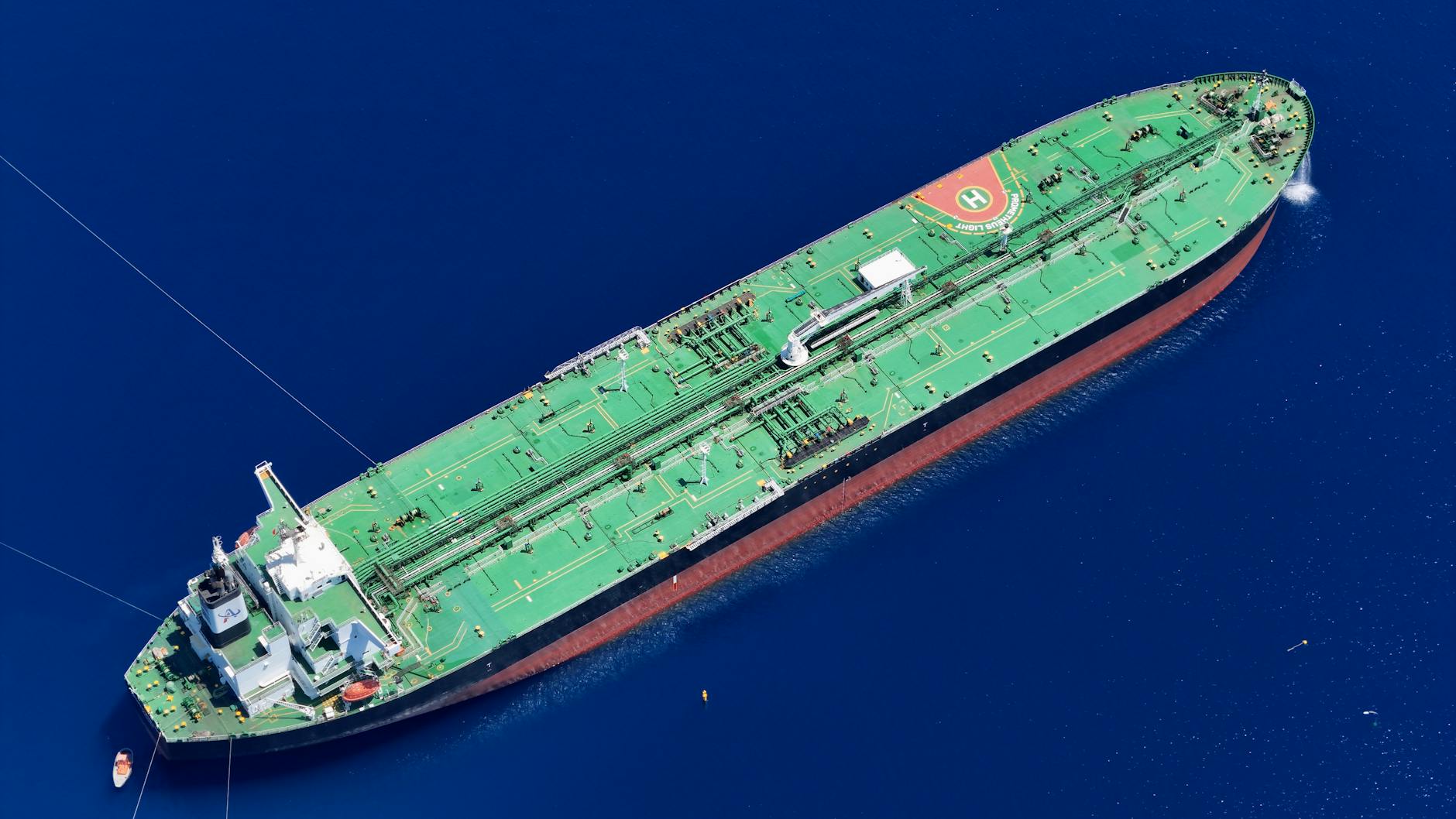
OPEC crude production fell to 20.04 million barrels per day in April, the lowest since 2000, as the Iran war shut down tanker traffic through the Strait of Hormuz and left Gulf producers unable to ship barrels to global markets.
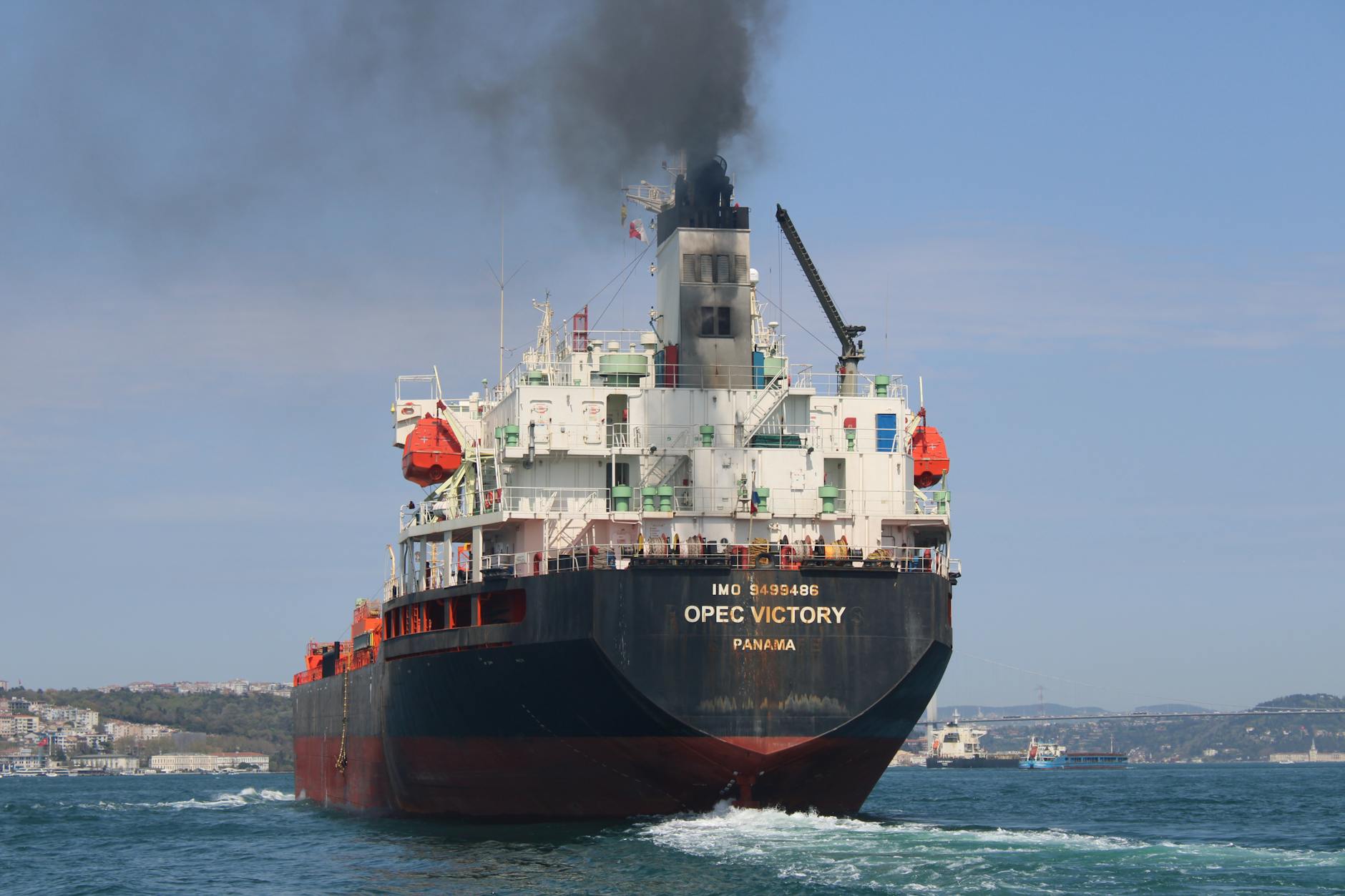
OPEC crude production collapsed to its lowest level in 26 years during April, as the war in Iran effectively shut down tanker traffic through the Strait of Hormuz and left the Gulf’s largest producers unable to move barrels to global markets, a Reuters survey published Monday showed.
The 12-country group pumped just 20.04 million barrels per day, down 830,000 bpd from March and the weakest reading since 2000. A separate Bloomberg survey using a different methodology pegged the April figure at 20.55 million bpd — still a 36-year low by that measure and roughly half of what the cartel produced as recently as 2016. Measured against the scale of the collapse, the gap between the two surveys is small. By either count, OPEC has never looked this diminished as a force in global oil markets in the current century.
“While output is increasing on paper, the real impact on physical supply remains very limited given the Strait of Hormuz constraints,” Jorge Leon, an analyst at Rystad and a former OPEC official, told Baird Maritime. “This is less about adding barrels and more about signalling that OPEC+ still calls the shots.”
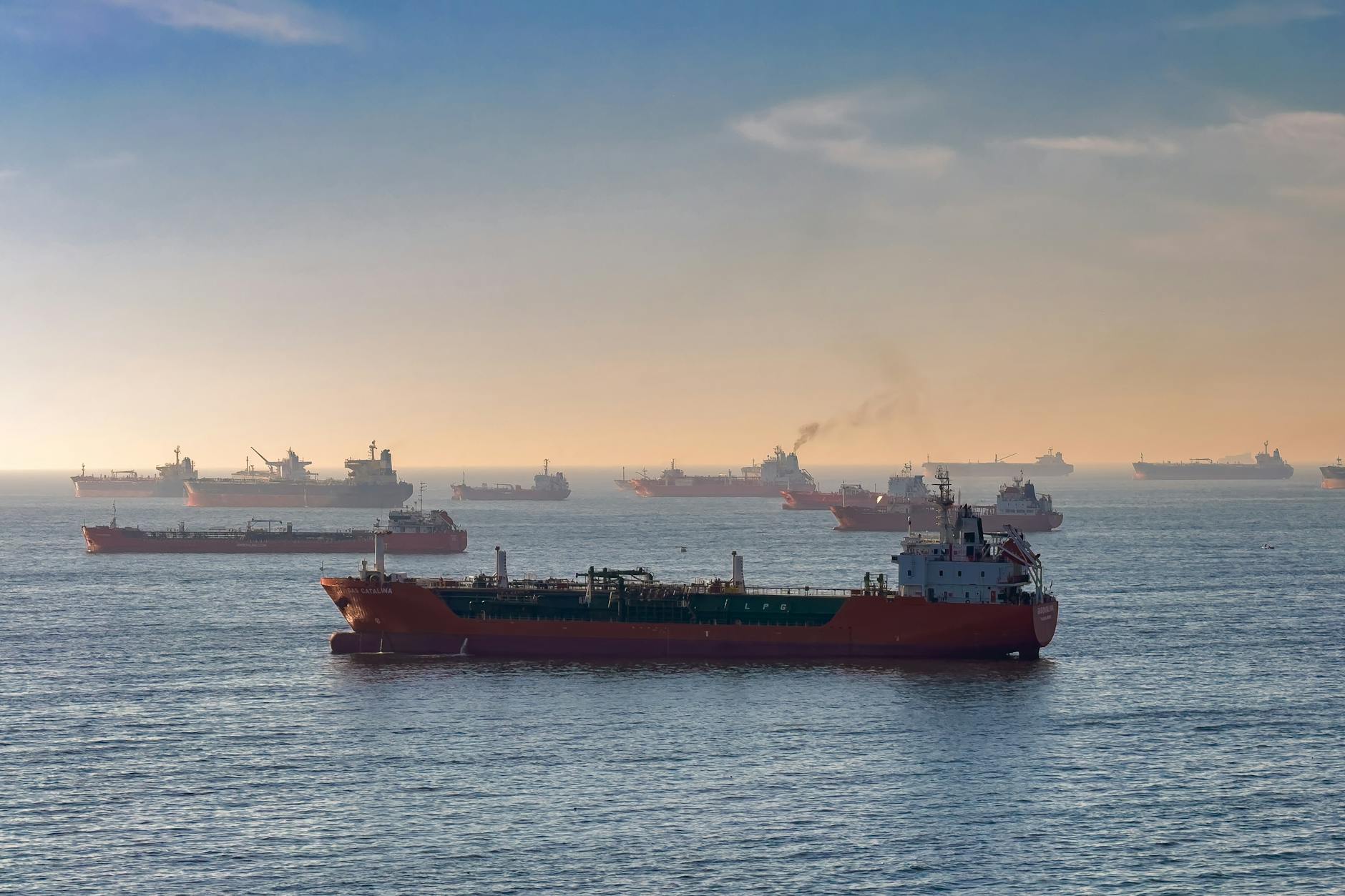
The devastation was broad-based but concentrated among the members that depend on the 21-nautical-mile-wide waterway between Iran and Oman to reach customers.
Saudi Arabia, the cartel’s largest producer, saw output tumble from roughly 10.1 million bpd in February to between 7.76 million and 7.8 million bpd by April. That decline reflects both the Hormuz bottleneck and at least 600,000 bpd of production capacity destroyed in attacks on Saudi oil infrastructure, the Reuters survey found. Riyadh has historically been the world’s only holder of meaningful spare capacity, giving it outsized influence over prices. But the damage to its fields and the inability to ship what it can pump have eliminated that advantage, leaving the kingdom unable to play its traditional role as the market’s shock absorber. The kingdom has not been this constrained since the 1990 Iraqi invasion of Kuwait, when its neighbour’s fields were overrun and the Gulf’s entire production architecture was thrown into crisis.
Kuwait reported zero crude exports for April — a near-unprecedented stoppage for a country that typically ships around 2.5 million bpd and whose economy runs almost entirely on petroleum revenue. Iraq’s production was cut by 61 percent in March alone, collapsing from 4.2 million bpd to roughly 1.6 million bpd, as CNBC reported earlier in the crisis. Both countries face steeper declines than Saudi Arabia because neither has access to the Red Sea pipeline network that gives Riyadh a partial, if limited, bypass around Hormuz.
The supply gap has handed unexpected advantage to U.S. shale producers, who have added roughly 400,000 bpd of output since January and exported a record volume of crude in March, much of it to European and Asian buyers scrambling to replace lost Gulf barrels. Permian Basin drillers are hitting well-productivity limits, however, and the industry’s capital discipline since the 2020 price crash means a rapid surge is unlikely. At current WTI prices near $78, most independent operators are generating free cash flow but showing little appetite for the debt-fuelled growth that defined the last shale boom. American output is rising, but not fast enough to fill a hole the size of OPEC’s Gulf trio.
The output figures landed days after OPEC and its allies, led by Russia, agreed to a June production increase that officials framed as a response to tightening global supply. Sheikh Nawaf al-Sabah, CEO of Kuwait Petroleum Corp, told CNBC the country could bring “quite a bit of production immediately — within a few days” from what he called resilient reservoirs, with the full ramp-up arriving within three to four months. Analysts treated that timeline with open scepticism. Iranian forces control one side of the Hormuz chokepoint, the U.S. Navy is stretched across multiple theatres, and the tanker insurance market has effectively priced Strait transits out of reach for most commercial operators. Several major shipping lines have already rerouted vessels around the Cape of Good Hope, adding weeks to delivery times. The physical capacity to move oil at pre-war volumes does not exist, whatever quotas OPEC+ ministers set in Vienna. The June increase, Leon told Baird Maritime, may end up “largely on paper.”
Brent crude futures have stayed above $90 a barrel for much of the past six weeks, and the April production data are unlikely to push prices lower. If the June increase proves to be mostly symbolic, the market must reckon with a gap that neither Saudi spare capacity, currently stranded behind Hormuz, nor U.S. shale, now plateauing, can close on its own. The last time OPEC production fell this low, at the turn of the millennium, it took the cartel nearly four years — and the end of an Iraq war — to restore output to pre-crisis levels.

Pria Kothari
Energy and commodities correspondent covering OPEC, oil markets and the Gulf. Reports from London.