Basrah crudes lead global gains as oil prices climb on Iran ceasefire uncertainty
Basrah crude grades surged nearly 5 percent on Monday as fading optimism over an Iran ceasefire refocused markets on supply risks through the Strait of Hormuz, with Brent topping $106 and OPEC output hitting a 26-year low.
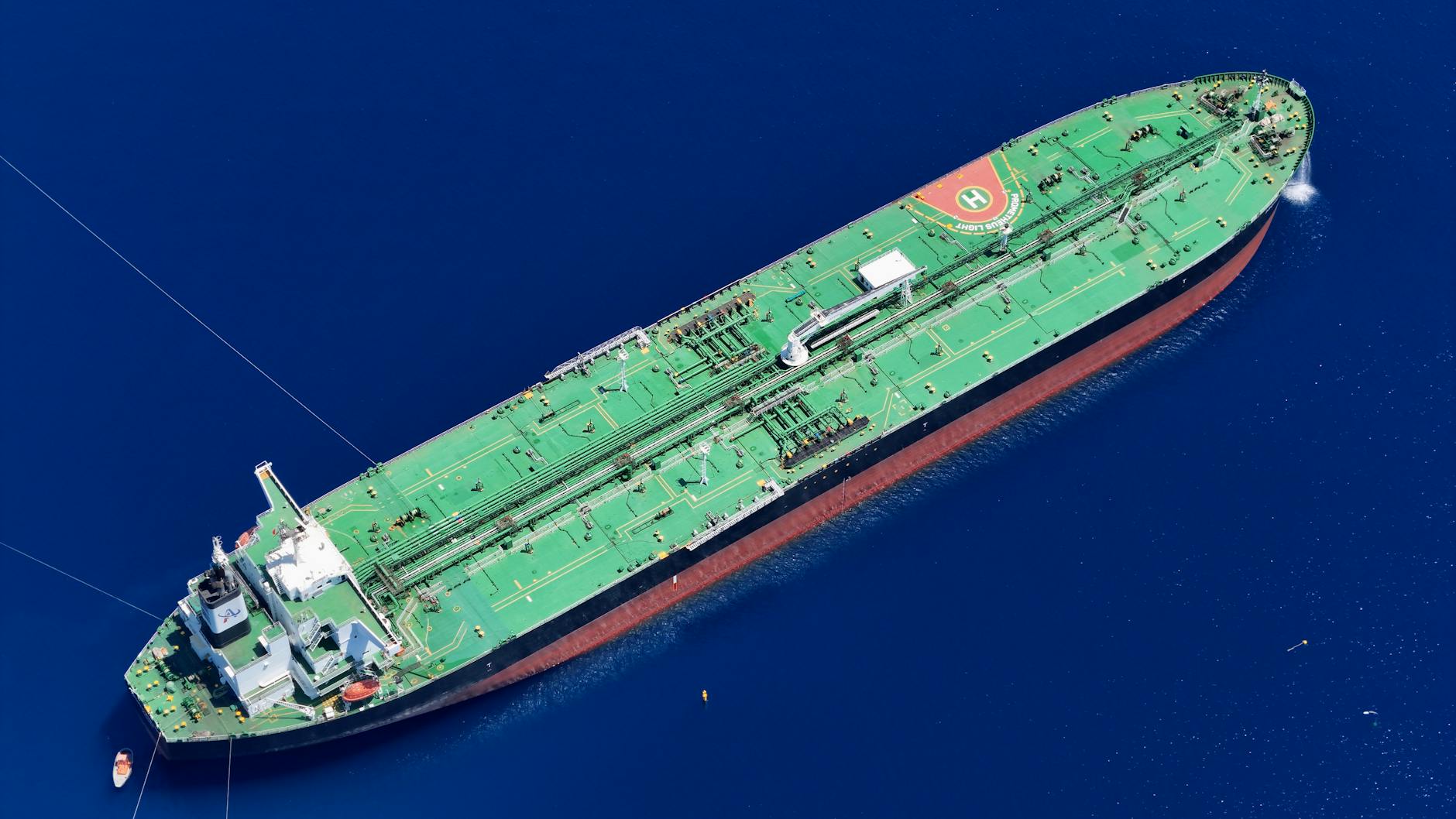
Basrah crude grades surged nearly 5 percent on Monday, leading a broad rally in global oil benchmarks as fading optimism over an Iran ceasefire refocused markets on supply risks through the Strait of Hormuz.
Basrah Medium climbed $5.46 to $118.09 a barrel and Basrah Heavy rose $5.46 to $115.99, according to price data published by Iraq’s State Oil Marketing Organization. The closely watched Iraqi grades, which serve as key benchmarks for Asian refinery demand, have now risen more than 12 percent in the past two weeks. Asian importers — including China, India, and South Korea — are absorbing the higher input costs at a time when refinery margins were already squeezed by elevated natural gas prices.
Brent crude futures, the international benchmark, settled up 1.9 percent at $106.21, extending a weeks-long run-up that has added more than $20 to a barrel since mid-April. That was when the latest round of U.S.-brokered Iran ceasefire talks began to stall.
The rally coincides with the lowest OPEC output in more than a quarter-century. A Reuters survey published Monday put the group’s April production at 20.04 million barrels per day — the weakest figure since 2000. The decline reflects both war-related disruptions to Iranian exports and voluntary curbs from several Gulf members. Saudi Aramco CEO Amin Nasser, whose firm reported a sharp rise in first-quarter profit earlier this month, has said the kingdom’s spare capacity is ready but that “the market will decide” when additional barrels are needed.
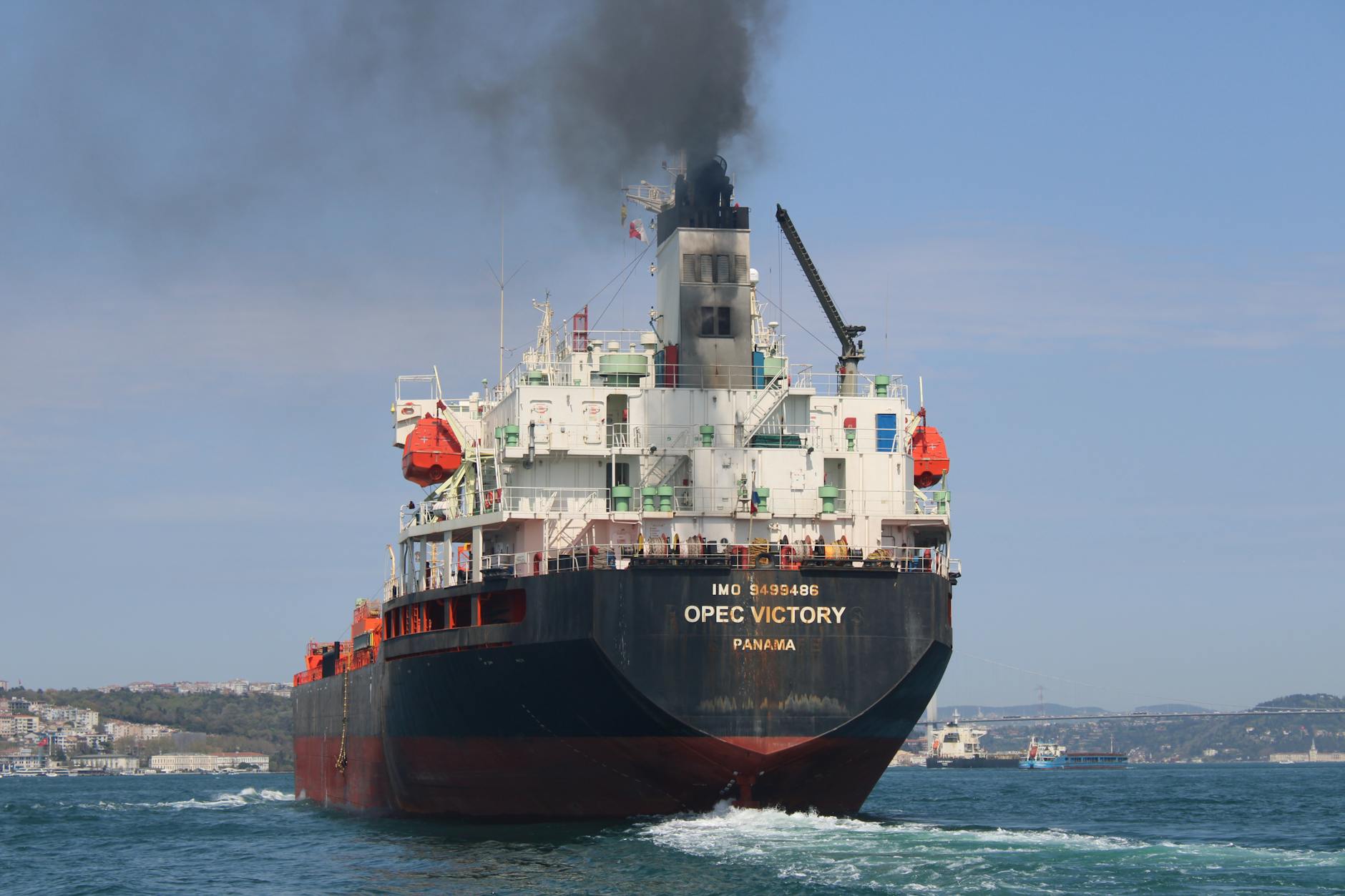
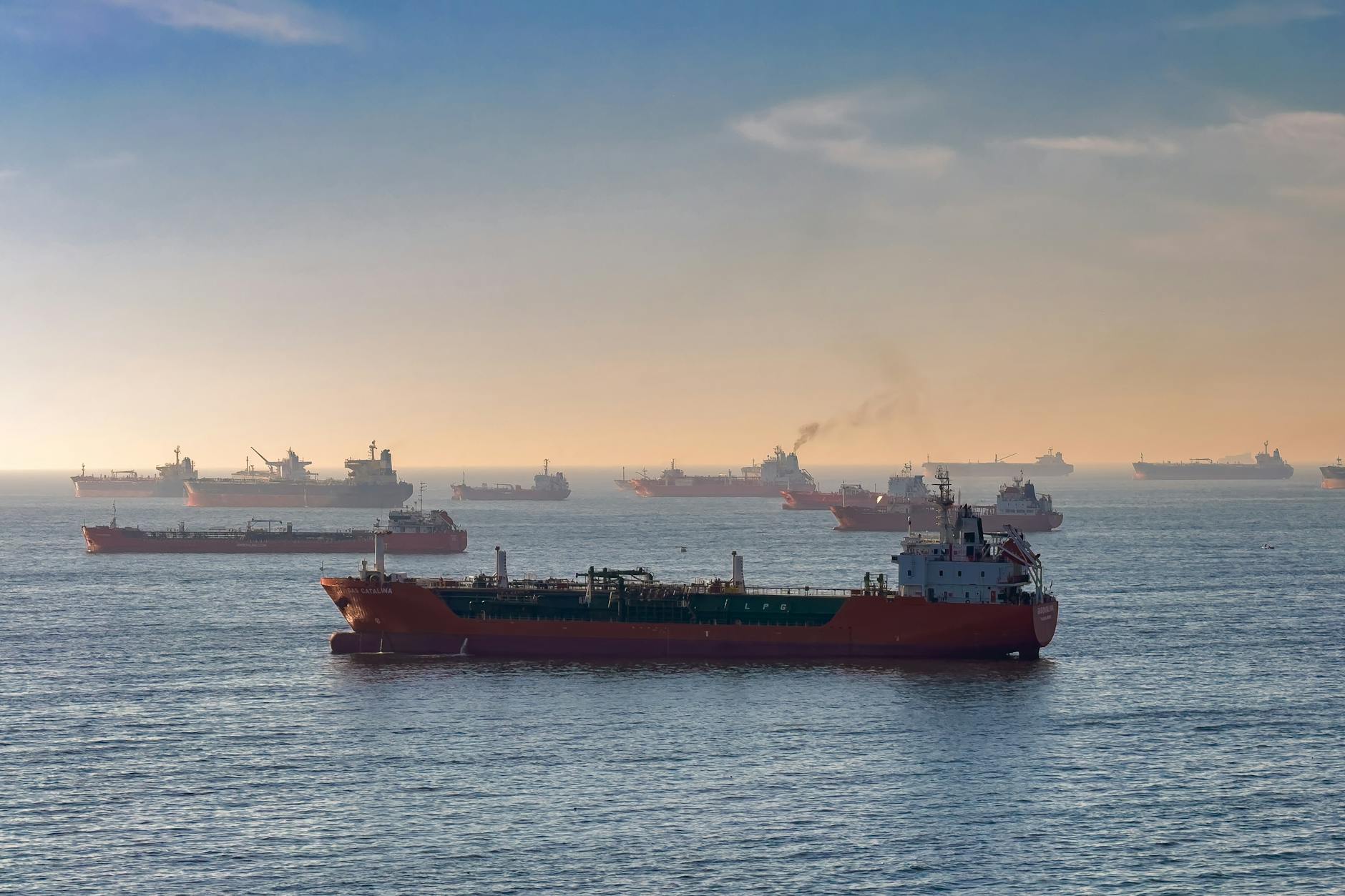
Roughly 20 percent of global oil and liquefied natural gas flows transit the Strait of Hormuz, the narrow waterway between Iran and Oman. The chokepoint has been the focal point of naval clashes throughout the conflict, and shipping insurers have raised war-risk premiums on vessels passing through the corridor to levels last seen during the 2019 tanker attacks.
Iran’s own crude exports, estimated at roughly 600,000 barrels per day before the war, have been cut to a fraction of that total by U.S. and allied naval interdiction.
But the ceasefire that markets had begun pricing in two weeks ago has not materialized. “Optimism regarding an imminent deal seems to be fading again and if we don’t see a deal by the end of May, then upside risks for oil prices are definitely on the table,” Suvro Sarkar, energy sector lead at DBS Bank, told Reuters.
President Donald Trump, speaking to reporters late Sunday, described the talks as “on life support.” Tim Waterer, chief market analyst at KCM Trade, framed the binary facing traders: “A genuine breakthrough toward a peace deal could trigger a sharp $8-$12 correction, while any escalation or renewed blockade threats would quickly push Brent back toward $115-plus.”
The end-of-May window flagged by Sarkar is now less than three weeks away. Tehran has given no public indication it is prepared to accept terms that Washington and its Gulf partners have laid out. For now, the price signal from Basrah — the grade that feeds Asia’s largest refineries — is unambiguous: the market is pricing in more risk, not less.

Pria Kothari
Energy and commodities correspondent covering OPEC, oil markets and the Gulf. Reports from London.